
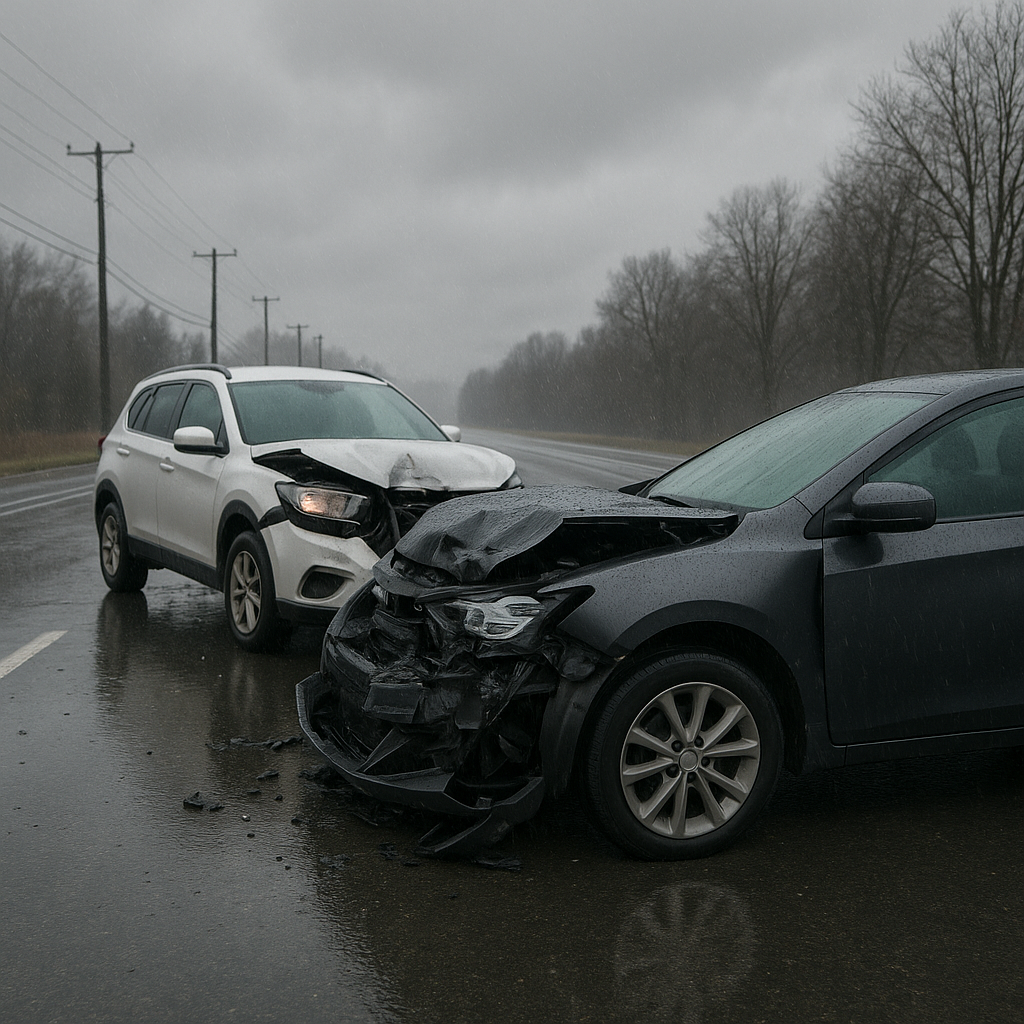
What if My Accident Happened in Bad Weather
Why This Question Comes Up Immediately
When an accident occurs during inclement weather, it can raise a host of immediate concerns and questions. Bad weather conditions, such as heavy rain, snow, fog, or ice, can significantly affect driving conditions, potentially leading to accidents. In the confusion following a collision, those involved may wonder how the adverse weather influences factors like fault, insurance claims, and safety procedures. Understanding these elements can be crucial for everyone involved in the incident.
Clear Neutral Explanation
When an accident occurs in bad weather, it’s important to recognize how environmental conditions played a role. Poor weather conditions can exacerbate the risk of accidents by impairing visibility, reducing road traction, and affecting vehicle control. However, the weather alone doesn’t typically determine fault or negate a driver’s duty to operate their vehicle safely.
Drivers are expected to adjust their driving to accommodate the conditions. This means slowing down, increasing following distances, and being extra vigilant. If an accident happens in bad weather, it’s crucial to gather as much information as possible, noting details such as weather conditions, time, and location. These can be valuable when dealing with insurance companies or authorities.
Helpful Context and Expectations
1. Weather Adjustments: Drivers are generally expected to adjust their driving behaviors based on the weather conditions. This can include reducing speed and increasing following distances. Failing to do so can result in being considered at fault for an accident, even if adverse weather played a part.
2. Reporting the Incident: In the event of an accident, it’s important to report it to the relevant authorities. They may consider the weather conditions in their report, which can later affect insurance claims and responsibilities.
3. Insurance Implications: In discussions with your insurance company, detailing the specific weather conditions at the time of the accident can be important. However, bad weather does not automatically absolve drivers of responsibility. Each situation is unique, and the insurance company will assess all contributing factors.
Common Misconceptions
1. Weather as an Excuse: A common misconception is that bad weather can be used as an excuse to avoid responsibility. While weather conditions are an uncontrollable factor, drivers are still expected to take reasonable precautions to prevent accidents.
2. All Blame on Weather: Another misconception is that weather is solely to blame for an accident. In reality, the circumstances of each driver’s preparation and reaction in adverse weather conditions will also be scrutinized.
3. Fault is Always Clear: Some believe that if bad weather is a factor, determining fault is straightforward. However, the process often involves examining various details, including driver behavior and road conditions.
Closing Paragraph
Navigating the aftermath of an accident in bad weather can be complex, influenced by both the uncontrollable elements of nature and the decision-making of those involved. Being aware of how bad weather can affect driving conditions, insurance claims, and responsibilities is essential. Remember, the key focus should always be on safety and ensuring that all parties are protected and secure. By understanding these dynamics and dispelling common misconceptions, you can better prepare yourself to handle such a situation if it arises.