
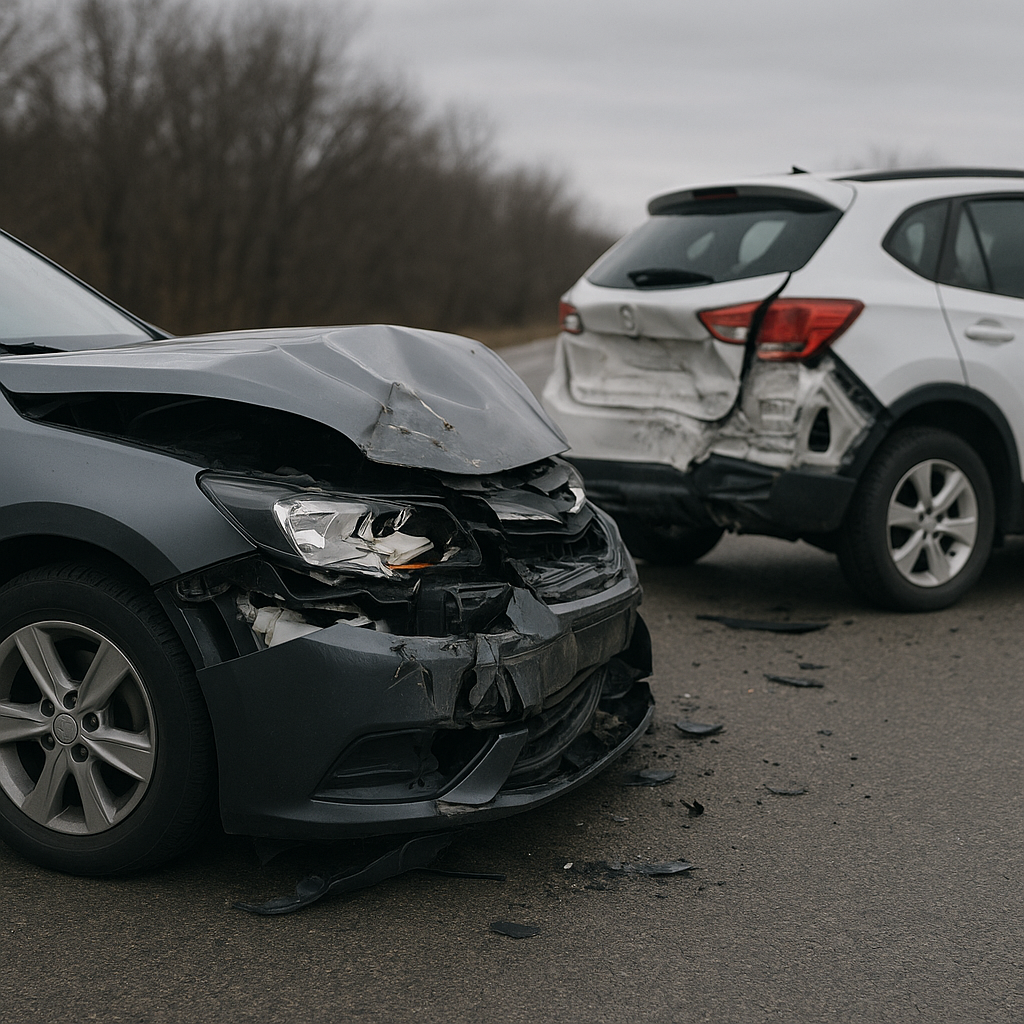
What to Do First Week After Crash
Why This Question Comes Up Immediately
Experiencing a crash, whether minor or major, can be disorienting and stressful. It’s common for individuals involved in an accident to feel overwhelmed by the sudden change in circumstances. The first week after a crash is crucial for managing immediate concerns and setting the course for recovery and resolution. You’re likely to encounter numerous questions about what steps you should prioritize, making this a pressing issue for those looking for guidance.
Clear Neutral Explanation
Understanding what to do in the first week after a crash is vital to ensure safety, facilitate the claims process, and minimize further complications. Here is a step-by-step approach to help you navigate this confusing time effectively.
Helpful Context and Expectations
1. Ensure Safety and Security
The first priority after any crash is ensuring the safety of everyone involved. Once you are out of immediate harm’s way, document the scene by taking photographs of the vehicles, road conditions, and any visible injuries. Exchange information with the other parties, including names, phone numbers, and insurance details.
2. Contact the Authorities
Reporting the accident to the local authorities is usually necessary. A police report often serves as an official record of the event, which can be crucial for insurance claims. Keep a copy of this report, as you may need it later when discussing the incident with insurers.
3. Notify Your Insurance Company
It’s important to notify your insurance company promptly. Provide them with the details of the crash, and consider filing a claim if warranted. They will guide you on the next steps and outline what to expect during the claims process.
4. Seek Professional Evaluations
Have a mechanic assess your vehicle for damages, even if they appear minor. Unseen damages can have long-term repercussions on vehicle safety and performance. It’s also beneficial to keep a written record of all repair consultations and outcomes for future reference.
5. Monitor Your Health
Be vigilant about any physical symptoms that emerge in the days following the crash. Sometimes injuries are not immediately apparent, so pay attention to your body and consult with a healthcare provider if anything concerning arises.
Common Misconceptions
1. “If It’s a Minor Crash, I Don’t Need to Report It”
Even minor crashes can have implications that aren’t immediately apparent. Reporting the accident can protect you from potential future disputes or insurance issues. It’s always better to have an official record.
2. “I Can Delay Contacting My Insurance”
Prompt communication with your insurance company is crucial. Delaying this step may lead to complications in filing a claim or adjustments in your coverage terms.
3. “Visible Damage Is the Only Concern”
Not all damages are visible. Structural issues and mechanical problems might not show signs immediately. Professional evaluations will help uncover these hidden problems and prevent further damage.
4. “Emotional Reactions Are Overreactions”
It’s common to experience emotional responses after a crash, including shock, anxiety, or stress. Acknowledging these feelings is important, and seeking support from friends, family, or professionals can be beneficial.
Closing Paragraph
The first week after a crash can be a whirlwind of events and emotions. By focusing on safety, ensuring the appropriate reports are made, and promptly contacting your insurance provider, you can effectively manage the immediate aftermath. Each crash is unique, and while official protocols provide guidance, personal well-being is also crucial during recovery. Understanding the underlying expectations, dispelling common misconceptions, and systematically tackling each task will help you navigate this challenging period with clarity and confidence. Remember, the steps you take in this first week lay the groundwork for the journey toward resolution and recovery.