
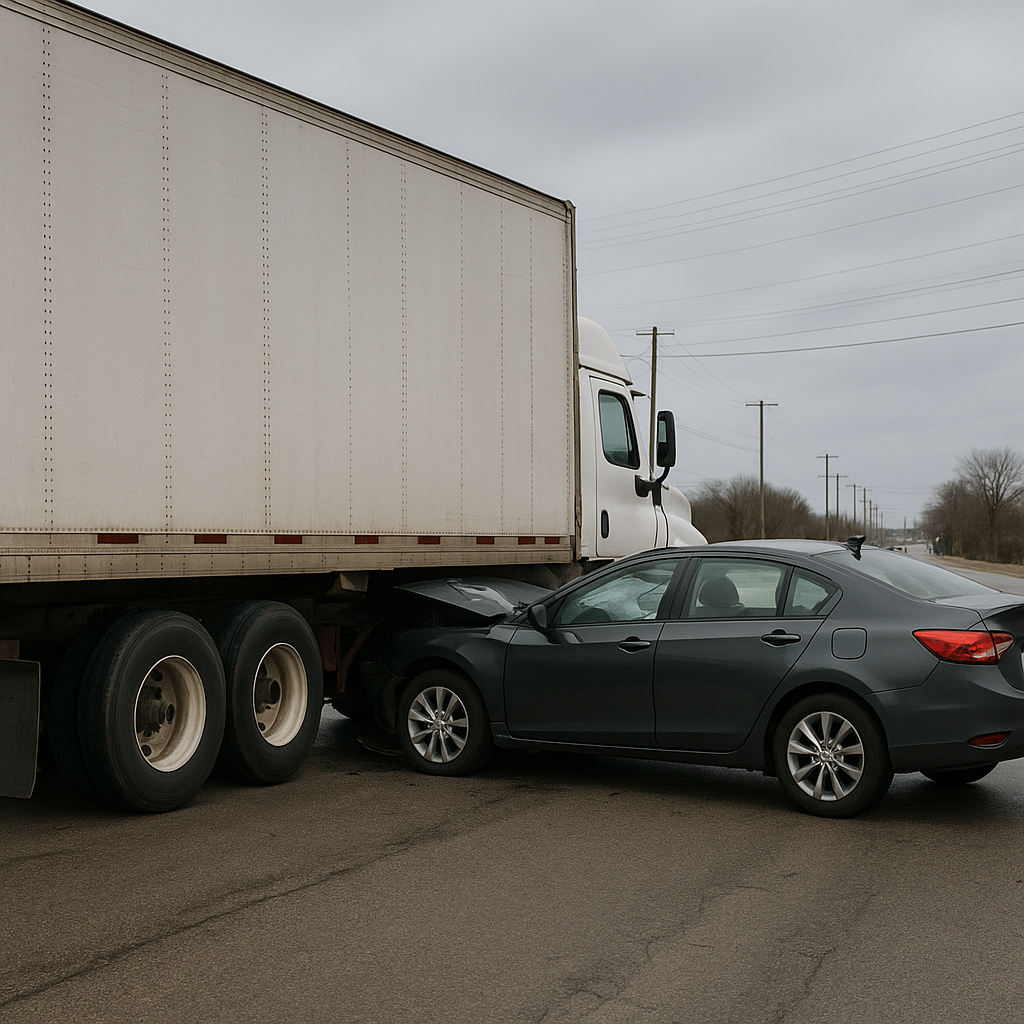
What Are the Most Common Immediate Questions After Truck Accidents
Truck accidents can be overwhelming and frightening experiences, leaving those involved with a multitude of immediate questions. Understanding what these questions are and why they arise can provide clarity and aid in navigating the aftermath of such accidents.
Why This Question Comes Up Immediately
Truck accidents typically involve larger vehicles and can result in significant damage and injuries. This complexity often leads to confusion and anxiety for those involved, prompting immediate questions. In the chaotic aftermath, individuals want to ensure their safety, assess the situation, and understand what steps to take next. The urgency often stems from the need to secure your well-being, communicate with emergency responders, and manage the potential legal and insurance implications.
Clear Neutral Explanation
There are several common questions that people ask immediately following a truck accident:
1. Am I or is anyone else injured?
The first and foremost concern is health and safety. Identifying injuries ensures that immediate medical attention is provided, which is crucial for any potential recovery.
2. Should I call the police?
Contacting law enforcement is vital in accidents involving significant damage or injuries. They can help manage the scene, direct traffic if necessary, and create an official accident report, which is important for insurance claims.
3. What information should I collect?
Gathering details such as the truck driver’s name, contact information, insurance details, and vehicle registration is crucial. Photographs of the accident scene and damages also serve as useful documentation.
4. Who is at fault?
Determining liability is a common concern but can be complex. Immediate assumptions about fault may not be accurate. This determination typically involves law enforcement and insurance adjusters after they review the facts.
5. How do I notify my insurance company?
Many people are uncertain about how soon or what exactly to report to their insurance provider. Prompt notification can facilitate the claims process.
Helpful Context and Expectations
Understanding the processes involved in the aftermath of a truck accident can help set realistic expectations:
– Emergency Response: Emergency services prioritize safety and securing the accident scene. Cooperation with them is essential for efficient resolution.
– Report Filing: Police reports are usually available a few days after the accident. These documents are integral for insurance purposes and potential legal discussions.
– Insurance Process: Insurance companies often conduct their own investigations, which can take time. Being patient and cooperative can expedite resolutions.
Common Misconceptions
Several misconceptions can arise after a truck accident, which can lead to unnecessary stress or delays:
– Every Injury is Visible Immediately: Not all injuries, particularly internal ones, are apparent at the scene. It’s crucial to seek medical evaluation even if you feel fine initially.
– Admitting Fault Harms Your Case: Apologizing or speculating on fault at the scene can complicate matters. It’s better to stick to factual observations without admitting blame.
– You Must Resolve Everything on Your Own: People often feel they have to manage all aspects independently. However, assistance from professionals, such as insurance representatives, can be invaluable.
Closing Paragraph
Navigating the immediate aftermath of a truck accident involves addressing pressing questions related to health, safety, and procedural necessities. By understanding common immediate questions and debunking misconceptions, individuals can approach the situation more informed and prepared. While the experience is undoubtedly stressful, having clarity on what to focus on first can aid significantly in managing the challenges that follow.