
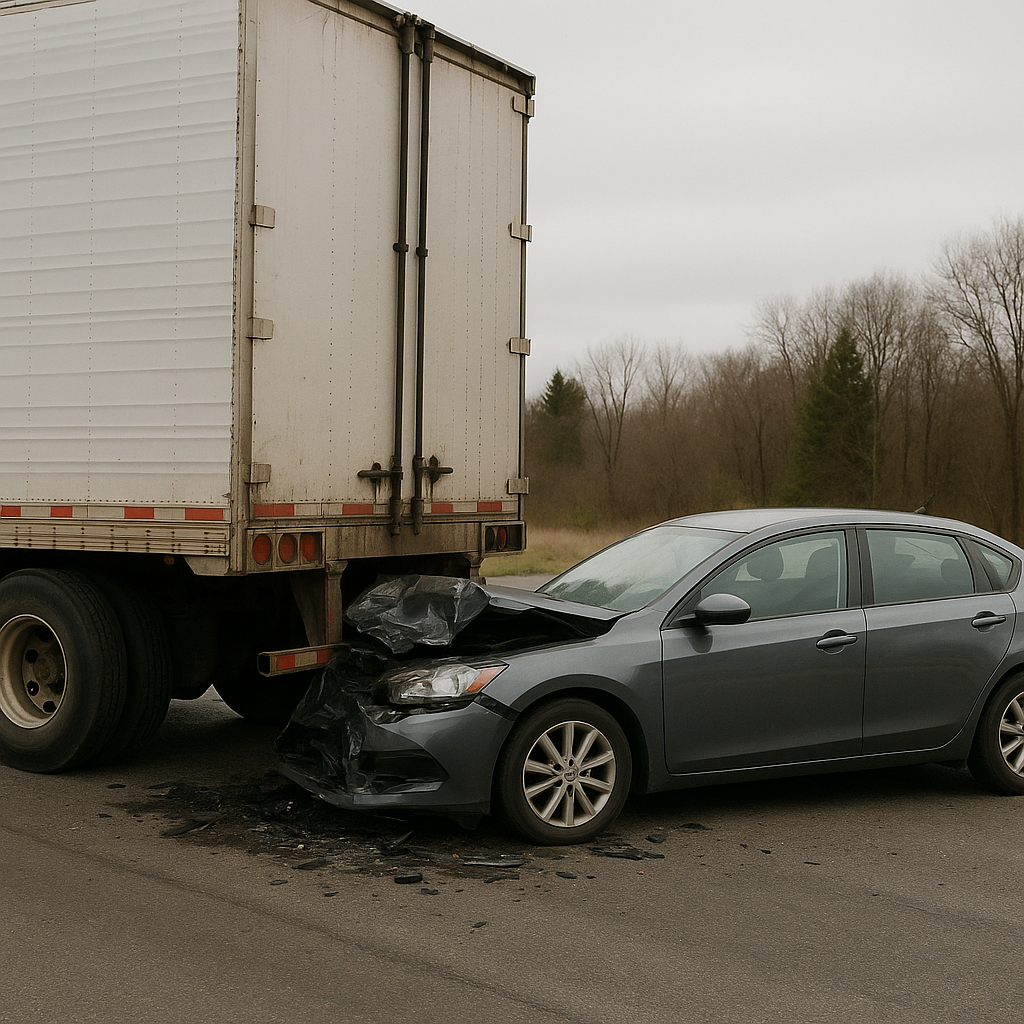
Understanding Adrenaline on the First Day After a Semi Truck Crash
Adrenaline plays a significant role in how the body responds on the first day following a semi truck crash. This hormone, often referred to as the “fight or flight” hormone, is crucial in dealing with high-stress situations. When a semi truck crash occurs, adrenal glands release adrenaline to prepare the body to respond swiftly. This physiological reaction can mask injuries and affect behavior, complicating the aftermath of the collision.
The Role of Adrenaline in High-Stress Situations
When involved in a traumatic event, the body goes into overdrive, triggering an adrenal response. This release boosts energy and alertness, providing the necessary means to either confront the situation or flee from it. It increases heart rate, dilates air passages, and redirects blood flow to major muscle groups, allowing an individual to react effectively during the crash.
How Adrenaline Masks Injuries
One of the most significant impacts of an adrenaline rush is its ability to mask pain. Victims may not immediately feel injuries due to the high levels of endorphins surging through the body. This is particularly concerning on the first day after a semi truck crash. Individuals might erroneously believe they are unscathed, delaying medical evaluation and treatment, which can lead to complications later.
Emotional and Psychological Impact
Adrenaline doesn’t only affect physical responses; it also has profound effects on emotional and psychological states. In the aftermath of a crash, individuals might experience heightened emotions such as anxiety, fear, or even euphoria. This can lead to difficulty in focusing or making rational decisions, potentially impacting interactions with medical personnel and law enforcement.
The Importance of Seeking Immediate Medical Attention
Given the adrenaline-driven propensity to overlook injuries, it’s critical for those involved in a semi truck crash to seek immediate medical evaluation. Medical professionals are trained to identify trauma symptoms that might not be immediately apparent to the untrained eye. Early diagnosis and treatment can prevent minor injuries from developing into severe conditions, such as internal bleeding or concussions.
Long-Term Effects of the Initial Adrenaline Surge
While the immediate effects of adrenaline can be life-saving, the aftermath can be challenging. After the adrenaline rush subsides, individuals may experience symptoms of exhaustion, confusion, or depression. Understanding this “crash” effect is crucial for recovery. Mental health support and regular check-ups are vital components of post-crash care, aiding individuals in navigating the lingering effects of their experience.
The Legal and Financial Implications
Adrenaline can influence how events are remembered and recounted, which can pose challenges during legal proceedings. Clear and accurate testimonies are crucial, yet the heightened state induced by adrenaline may cause a recollection of details to become inconsistent. Legal professionals often advise documenting everything immediately after a crash to maintain record accuracy.
Coping Strategies and Support Systems
In the wake of a semi truck crash, developing coping strategies is essential. Maintaining a support network of friends, family, and professionals can play a vital role in mental recovery. Therapy and counseling offer outlets for addressing emotional disturbances, helping individuals process the trauma effectively.
Conclusion: Awareness and Preparedness
Awareness of how adrenaline functions on the first day after a semi truck crash can significantly impact outcomes. By recognizing the importance of immediate medical attention and understanding the physical and psychological effects, individuals can better manage the aftermath. Adopting appropriate coping strategies and engaging with medical and legal professionals aids in a smoother recovery process, ensuring both physical and emotional well-being are addressed comprehensively.