
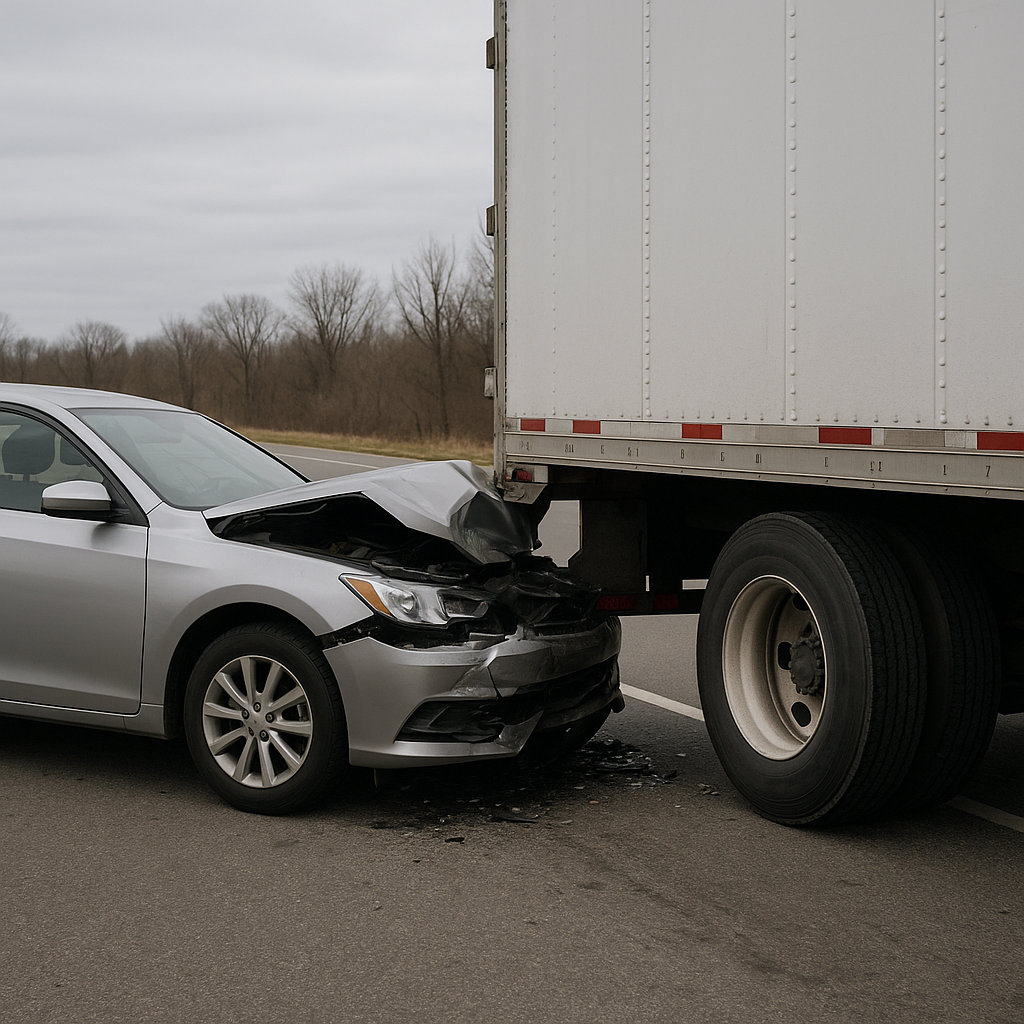
Feel Fine After Truck Accident? Here’s What You Need to Know
Feeling fine after a truck accident might seem like a relief, but it’s crucial to take specific steps to ensure your well-being. Even if it appears that you’ve escaped harm, there could be underlying issues that need attention. Here’s a comprehensive guide on how to handle the aftermath of such an incident.
Understanding the Hidden Dangers
When you feel fine after a truck accident, it’s easy to assume you’re in the clear. However, adrenaline can mask pain and injuries. This physiological response often leads individuals to underestimate the severity of their condition. Therefore, it’s imperative to stay cautious and observant in the hours and days following the accident.
Seek Immediate Medical Attention
Even if there’s no immediate pain or visible injury, seeking medical attention is vital. Healthcare professionals are trained to detect injuries that may not be apparent at first glance, such as concussions, internal bleeding, and soft tissue damage.
Schedule a Check-Up
A thorough medical examination soon after the incident can prevent complications later. Early detection allows for timely treatment, reducing the risk of long-term health issues. Always inform your healthcare provider of the accident, even if you feel fine.
Legal Considerations: Protect Your Rights
Navigating the legal aspects of a truck accident can be complex. When you feel unharmed, it’s easy to underestimate the necessity of legal advice. However, protecting your rights is crucial for potential future claims.
Contact a Legal Professional
Consulting with a legal expert who specializes in truck accidents can provide clarity on your options. They can assist in documenting the situation, gathering evidence, and advising you on potential compensation for injuries or damages that may surface later.
Document the Incident
Accurate documentation is key in both medical and legal contexts. Take notes about the accident, including time, location, weather conditions, and any other relevant details. Photographs of the scene can be invaluable.
Gather Witness Statements
Collecting contact information and statements from witnesses can strengthen your case if disputes arise. Reliable witnesses can help validate your account of the accident, providing crucial support for any future claims.
Monitor Your Health
Continue to monitor your physical and mental health after the initial examination. Sometimes, symptoms of injuries like whiplash or PTSD only become apparent weeks later.
Watch for Delayed Symptoms
Be attentive to signs such as headaches, dizziness, or emotional distress. If any symptoms develop, seek medical attention promptly. Document these experiences as they may be relevant for both your health and any legal actions.
Practicing Self-Care
After experiencing an accident, it’s essential to prioritize self-care to promote healing and well-being.
Physical and Emotional Well-being
Engage in activities that support recovery, such as gentle exercises, a balanced diet, and sufficient rest. Consider speaking with a therapist if you experience anxiety or stress related to the incident. Mental health care is just as important as physical recovery.
Conclusion: Take Nothing for Granted
When you feel fine after a truck accident, taking these proactive steps ensures your health and rights are safeguarded. Even minor accidents can have significant consequences if not addressed properly. By staying vigilant, seeking guidance, and prioritizing your health, you are laying the groundwork for a full recovery and peace of mind. Remember, it’s always better to be cautious and prepared than to face unexpected challenges down the road.