
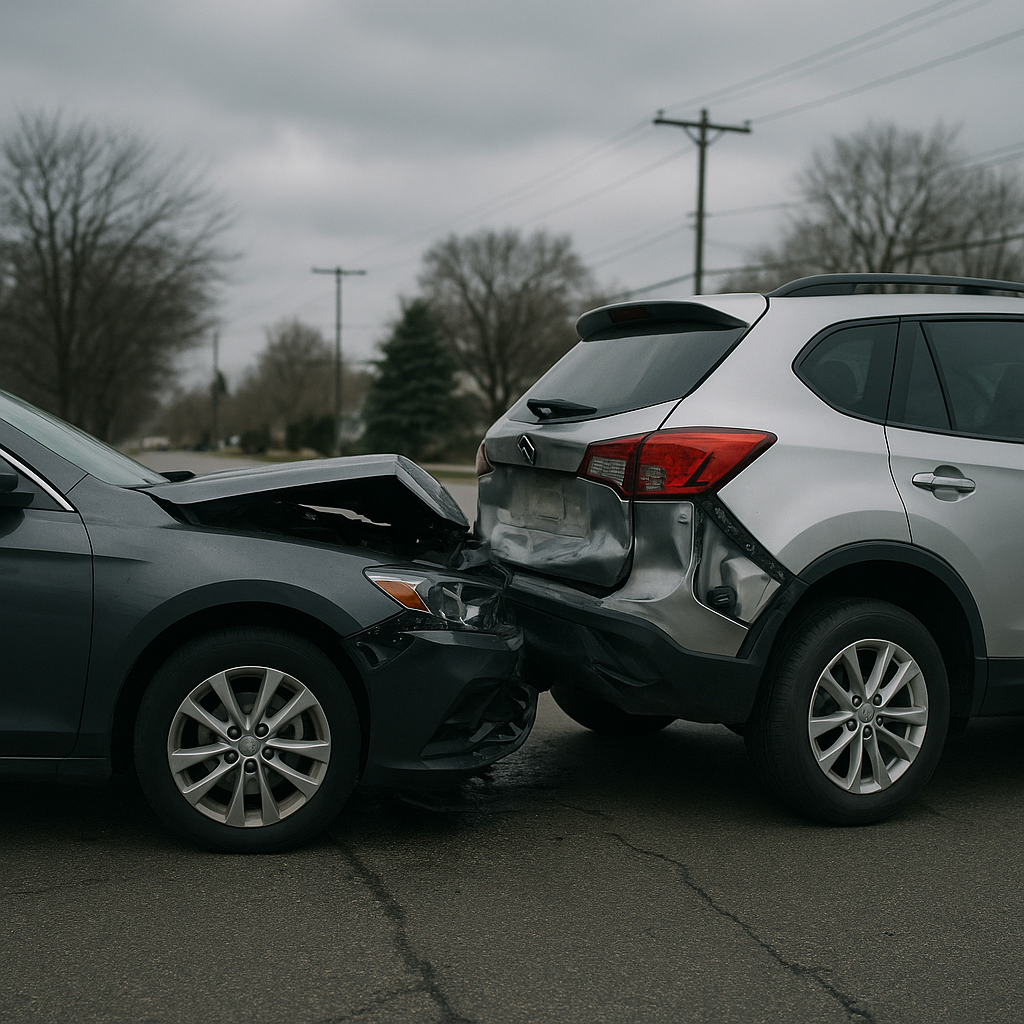
Introduction: Pain Not Immediate After Crash
Pain not immediate after a crash can be a perplexing and often concerning experience for those involved in an accident. While it might seem logical for injuries to become apparent right away, many people find themselves feeling relatively fine immediately after an incident, only to experience discomfort or pain hours or even days later. Understanding why this happens can help in addressing post-accident care and ensuring proper health management.
The Body’s Response to Trauma
When a crash occurs, the body undergoes a sudden and intense stress. In response, the body releases adrenaline, often termed the “fight-or-flight” hormone. Adrenaline increases heart rate, boosts energy levels, and suppresses pain, which means injuries might not be immediately noticeable. This natural response is crucial for immediate survival, allowing individuals the capacity to act quickly and escape further harm.
Delayed Onset of Symptoms
Why Pain Not Immediate After Crash
There are several reasons why pain might not appear immediately after a crash. One major factor is the presence of adrenaline and endorphins that temporarily mask pain. However, once these chemicals subside, the body begins to process the actual physical state, which can lead to a delayed onset of pain.
Additionally, certain soft tissue injuries, such as whiplash or sprains, typically develop over time. These injuries often start with micro-tears or slight swelling that eventually becomes more painful. The slow progression of these symptoms can surprise accident victims, who might not connect the delay with the crash.
Common Delayed Injuries
Several types of injuries are notorious for delayed presentation:
– Whiplash: Often experienced in rear-end collisions, whiplash can result in neck stiffness, headaches, and even dizziness. Symptoms can appear several hours, or up to a few days, post-accident.
– Concussions: Even minor head impacts can lead to concussions, with symptoms like confusion, headaches, and nausea surfacing gradually.
– Soft Tissue Injuries: Sprains and strains may not become noticeable until well after the initial incident due to swelling and gradual inflammation.
– Back Pain: Injuries to the spine or surrounding muscles might not be immediately evident, with pain showing up later as the body attempts to stabilize and heal the affected area.
Importance of Medical Attention
Given the potential for delayed symptoms, seeking medical attention immediately after a crash is crucial, even if you feel fine. Medical professionals can identify issues that might not have manifested pain yet, using diagnostic tools like X-rays or MRIs to uncover hidden injuries.
Ignoring potential injuries can lead to chronic pain or long-term health issues. Timely diagnosis allows for effective treatment options that can prevent the worsening of injuries.
Legal and Insurance Considerations
Not addressing injuries promptly can also have implications for legal and insurance matters. Documentation from medical evaluations serves as crucial evidence if you decide to pursue a claim. Pain and injuries not documented shortly after a crash can complicate compensation claims, as insurance companies might argue that these weren’t crash-related.
Listening to Your Body
Pay attention to how your body feels after a crash. Note any minor aches or discomforts, even if they seem insignificant. Keeping a journal detailing these symptoms can be beneficial for both medical and legal purposes, providing a clear timeline and impact of the injuries sustained.
Conclusion
Recognizing that pain might not be immediate after a crash is essential for ensuring your long-term health and well-being. By understanding the body’s response to trauma, the potential for delayed symptoms, and the importance of medical evaluation, individuals can take proactive steps in their recovery process. Always prioritize your health by seeking medical advice promptly and staying vigilant to changes in your body post-accident.