
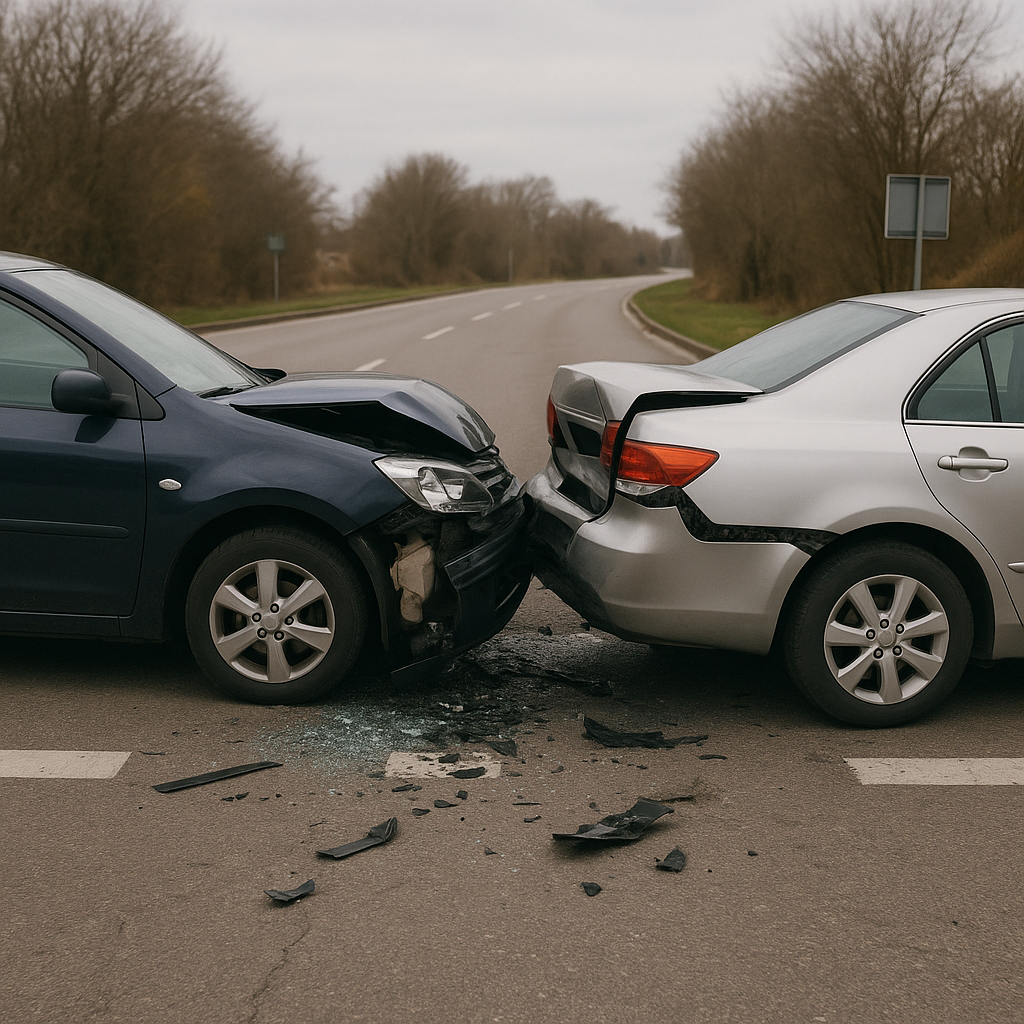
Why the Crash Scene Matters Even After Leaving
The crash scene matters after leaving, impacting all associated events and decisions that follow. Though it may seem like a distant memory once you’ve left, the initial stage of any vehicular accident holds immense significance. From legal ramifications to emotional consequences, the ripple effect extends far beyond the immediate aftermath.
The Immediate Consequences
The moments right after a crash are chaotic, often characterized by heightened emotions and confusion. However, this initial stage is critical for several reasons. Firstly, it’s where evidence is most fresh. Photos, witness accounts, and physical markers like skid marks or debris help paint an accurate picture of what transpired. These elements are crucial in determining liability and securing rightful compensations. Leaving the scene without gathering such information can complicate insurance claims and legal standings.
Legal Implications Cannot Be Ignored
Prompt action at the crash site is not just a good idea—it’s legally necessary. Failing to document the scene can lead to complications, especially if liability is contested. Many jurisdictions require the involved parties to file an accident report, even if the damage is minor. This is because the crash scene’s evidence will significantly influence the case’s outcome if disputes arise. In severe instances or where injuries occur, leaving without proper documentation can result in severe legal consequences, possibly being deemed a hit-and-run.
Insurance Claims and Financial Repercussions
Your insurance company relies heavily on the initial reports and evidence gathered from the crash site. Any discrepancies in your account versus what can be proven from the scene can delay claims or affect payouts. Insurers look for corroborative evidence that substantiates the events described, emphasizing how crucial the crash scene matters for claims processing. It can even impact premium calculations in the future if liability isn’t accurately attributed.
Emotional Aftermath and Healing
The emotional and psychological effects of a crash can linger long after the physical scene is cleared. Acknowledging and processing the events at the scene can be a step toward emotional closure. Engaging in the documentation and recounting of events can serve as a cathartic experience, aiding in long-term recovery from the trauma. In contrast, unresolved issues from a chaotic departure can exacerbate stress and anxiety related to the incident.
Future Safety and Prevention
Understanding why the crash scene matters after leaving opens avenues to improving safety measures. Recognizing patterns or common hazards at crash sites can inform personal decisions and public policy. Thorough evaluations often contribute to improvements in road safety, guiding infrastructural changes or enhanced training for drivers. These lessons learned are pivotal in preventing recurring incidents.
Gathering Witness Accounts
Witness statements collected at the scene add an extra layer of detail to any legal or insurance proceedings. Observers may have noticed factors you overlooked, such as another vehicle’s speed or driver behavior. These additional perspectives can clarify contested events and strengthen your position, whether negotiating a settlement or defending against unwarranted claims.
Conclusion: The Lasting Impact of the Scene
In summary, acknowledging why the crash scene matters after leaving is essential for multiple reasons. From providing a foundation for legal actions and insurance processes to supporting emotional recovery and addressing long-term safety, the crash scene holds enduring importance. Approaching it with care and detailed attention ensures a smoother resolution to what can otherwise be a complex situation. As such, it’s vital not to overlook the invaluable role the crash scene plays, reminding us that immediate action is a cornerstone of effective crisis management.