
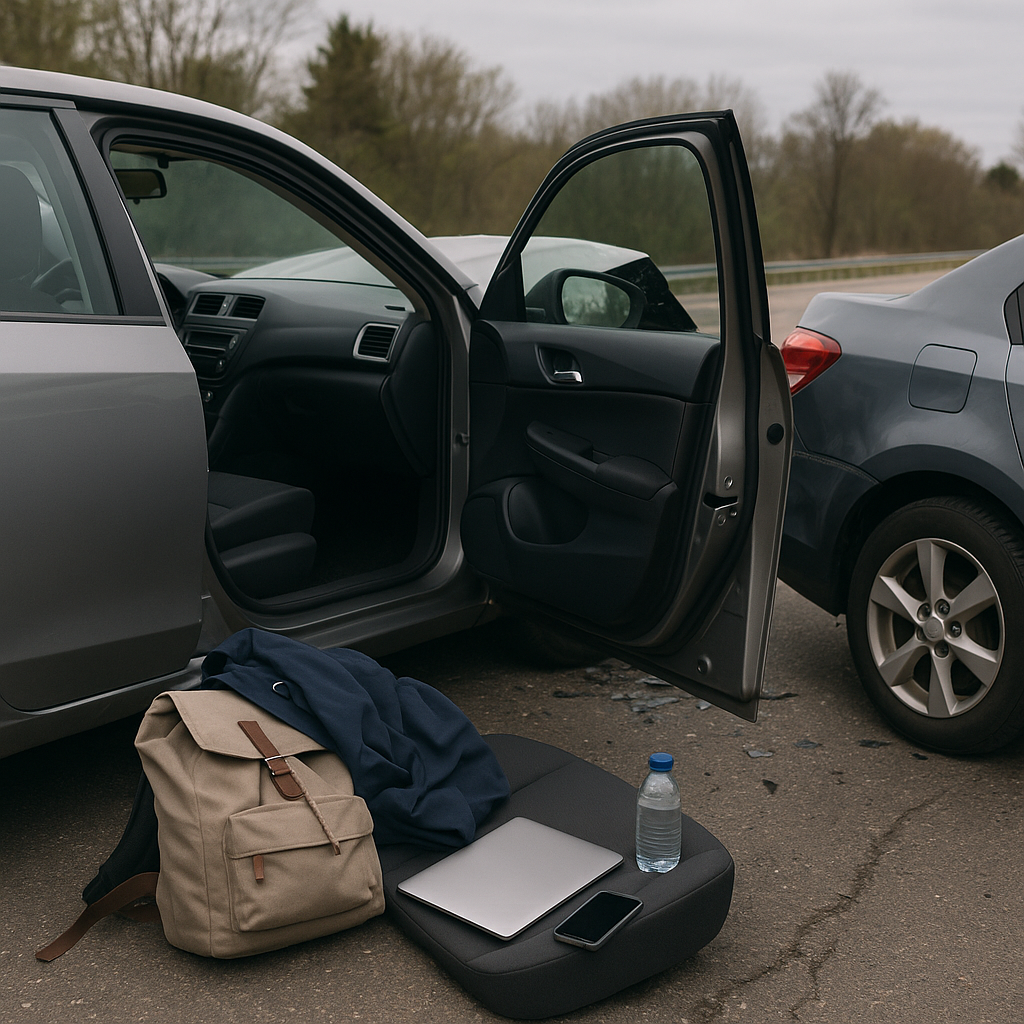
Belongings Left in Car Crash: What You Need to Know
Belongings left in car crash situations can raise a number of concerns for those involved. When a vehicle collision occurs, the focus is often on safety and immediate medical attention. However, understanding the procedures related to personal possessions can offer peace of mind and assist in post-accident recovery.
Initial Steps After a Collision
Immediately following a car accident, the safety of all individuals involved is the top priority. Once everyone is secure and medical attention has been administered, you may begin addressing any belongings left in the car. Assess the scene, ensuring it’s safe to approach, and check for any personal items that might have been displaced or damaged during the impact.
Securing Your Possessions
It’s crucial to gather visible items before leaving the scene, especially those of high value. Unfortunately, theft can occur after a crash, so it’s wise to secure your valuables as promptly as possible. If your vehicle is being towed, try to take important belongings with you to avoid potential loss or theft.
Understanding Insurance Policies
When dealing with belongings left in car crashes, it’s essential to review your insurance policies. Automobile insurance typically covers vehicle damage, but may not extend to personal possessions. However, renters or homeowners insurance policies often include coverage for items stolen or damaged in a vehicle accident.
Coverage and Claims Process
Contact your insurance provider promptly to discuss potential coverage for personal items. Familiarize yourself with the claims process to ensure you have all necessary documentation, like photographs of damages and receipts for the belongings. This preparation will expedite the settlement process and enhance the likelihood of a favorable outcome.
Engaging Law Enforcement
In situations where belongings have been stolen following an accident, reporting to law enforcement becomes crucial. File a police report detailing the missing items, which will be invaluable when filing insurance claims. Law enforcement can also provide guidance on how to protect yourself from identity theft if personal information was compromised.
Recovery and Replacement
The aftermath of an accident can be overwhelming; thus, having a systematic approach for recovering and replacing personal items helps in managing stress. Itemize what was in the vehicle, prioritizing items by value and necessity. This list becomes instrumental when working with insurers or police.
Prioritizing Recovery
Certain possessions, like personal identification and electronic devices, should be prioritized. If these items are not found immediately, begin the necessary procedures for cancellation or replacement to prevent misuse.
Preventative Measures
While dealing with a crash’s aftermath can be daunting, there are proactive measures to mitigate potential issues related to belongings left in the car. Keeping a detailed inventory of items usually stored in your vehicle can be beneficial. Regularly update this inventory, especially if you frequently transport valuable items.
Storing Valuables Safely
Where possible, avoid leaving valuable belongings in plain view. Utilize the glove compartment, trunk, or under-seat storage to keep items secure and out of sight. Investing in vehicle security features can also provide additional protection against opportunistic theft.
Emotional and Practical Support
Beyond the logistics of managing belongings left in a car crash, seeking emotional and practical support is vital. Engage with support groups or counseling services to help process the traumatic aspects of an accident. Sharing experiences with others who have faced similar situations can offer comfort and practical insights.
Community Resources
Many communities offer support resources tailored for accident victims. These can include support groups, legal assistance, and emergency financial help. Engaging with these resources can provide the necessary guidance and support during the post-accident recovery phase.
Conclusion
Navigating the aftermath of a car accident can be complex, particularly when dealing with personal belongings. By understanding insurance processes, engaging law enforcement, and taking preventative measures, individuals can better manage their possessions and move forward with greater ease. These actions not only protect your belongings but also contribute to a smoother and less stressful recovery process.