
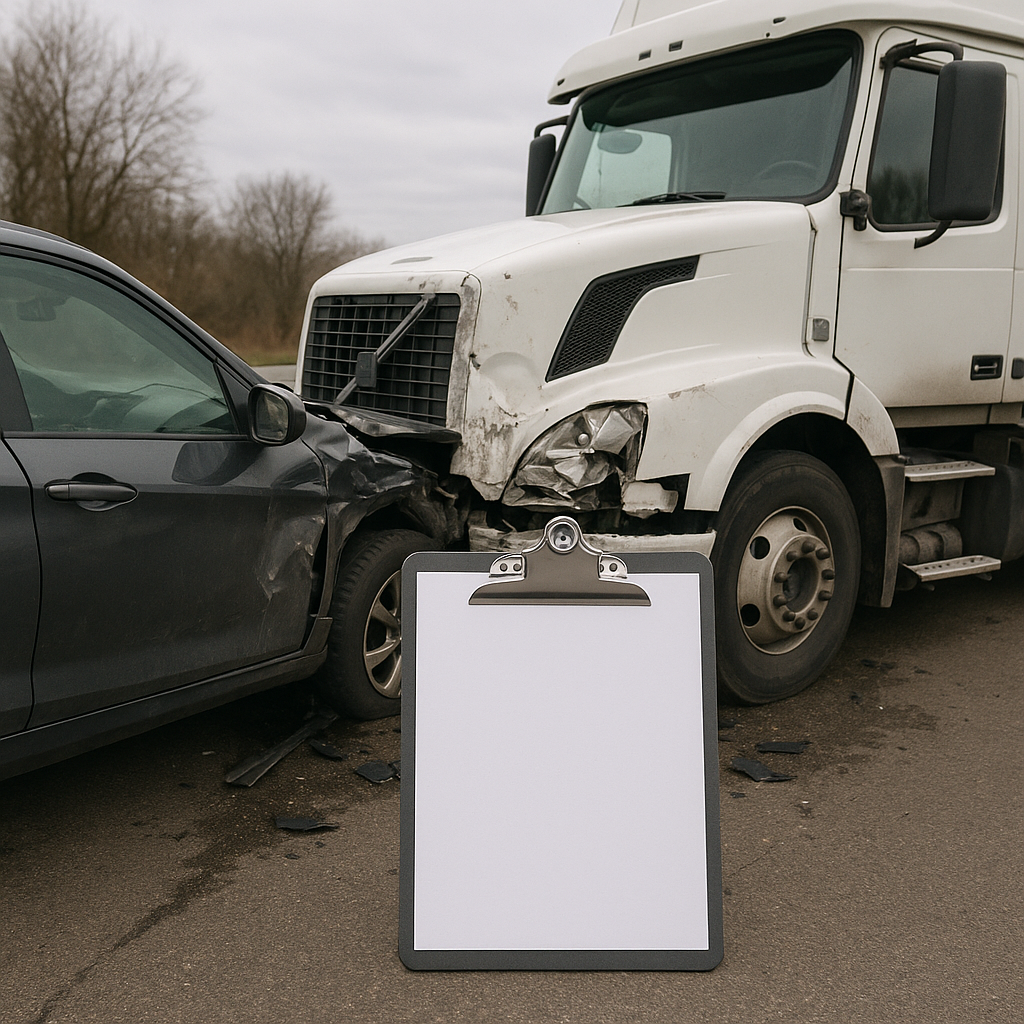
Vehicle Damage Photo Checklist After Truck Accidents
Assessing vehicle damage following a truck accident is a crucial step in the recovery and repair process. Photographic evidence plays a vital role in documenting the damage and facilitating a smooth resolution. This article outlines a comprehensive checklist for photographing vehicle damage, explores the repair stages, and highlights potential challenges such as delays and disputes.
Overview of Vehicle Damage Assessment After Truck Accidents
After a truck accident, vehicle damage assessment becomes a priority for all parties involved. Photographs provide an objective record of the condition of the vehicle and can be invaluable during insurance claims or repair discussions.
Capturing detailed images allows for an accurate assessment of damage and aids in justifying the necessary repairs. Ensuring a thorough photographic review helps provide transparent evidence, reducing ambiguities in discussions with repair shops and insurance adjusters. Using a well-structured vehicle damage photo checklist can streamline this process, ensuring no critical areas are overlooked.
Common Repair Stages
1. Initial Evaluation
The first step in the repair process involves a thorough evaluation of the vehicle’s condition. Photos should cover the entire exterior and any visible damage to the structural elements. Key areas to focus on include:
– Overall View: Capture multiple angles of the vehicle to show the scope of damage.
– Specific Impact Zones: Focus on the areas directly impacted by the accident.
– Undercarriage: Check for damage underneath the vehicle, which is often overlooked.
– Interior Damage: Include photos of any visible interior damage, such as deployed airbags or damaged controls.
2. Detailed Inspection
Once the general state of the vehicle is documented, a more detailed inspection is necessary. This stage aims to identify hidden damages that may not be immediately visible. During this stage:
– Close-Ups: Focus on subtle damage such as scratches, dents, and cracks.
– Mechanical Components: Photograph parts like the engine, wheels, suspension, and axle.
– Hidden Damages: Look for issues that might arise only under specific lighting or angles.
3. Repair Decision
The gathered photo evidence aids in making informed decisions on repair needs. This step involves:
– Estimate Review: Use photos to cross-reference the mechanic’s estimate with visible damage.
– Repair Feasibility: Determine if the vehicle is economically viable to repair or if replacement might be necessary.
– Part Replacement: Evaluate which parts require replacement based on visual and mechanical assessments.
Documentation Tied to Repair Decisions
Photographic documentation is not only crucial for assessing damage but also plays a significant role in repair decisions. Here’s how:
– Record of Condition: Photos serve as an unbiased record, helping insurance companies and mechanics determine the scope of work required.
– Cost Management: Image evidence can help ensure that repair costs align with the damage incurred, avoiding overcharges.
– Insurance Claims: Detailed photos streamline the insurance claims process, providing clear proof of damage and supporting the accuracy of the claims.
How Delays and Disputes Commonly Happen
Despite the usefulness of a vehicle damage photo checklist, delays and disputes can arise. Here are some common challenges:
– Incomplete Documentation: Missing photos or inadequate coverage can lead to misunderstandings or disputes over the extent of the damage.
– Quality of Photos: Poor quality, such as unclear or unfocused images, may hinder proper evaluation and lead to discrepancies.
– Differences in Interpretation: Various stakeholders (owners, insurers, mechanics) may interpret the photos differently, resulting in disagreements.
– Timeliness: Delays in taking or submitting photos can slow the claims process and repair timeline.
Being thorough and proactive in documentation can mitigate these issues, fostering a smoother path forward in resolving damages.
Neutral Closing Paragraph
Photographic documentation through a systematic vehicle damage photo checklist after a truck accident is indispensable in the assessment and resolution process. While challenges like delays and disputes may occur, proper adherence to a detailed and methodical approach can help prevent complications. By ensuring comprehensive, clear, and timely images, stakeholders can work towards a streamlined and satisfactory settlement, benefiting insurers, repair shops, and vehicle owners alike.