
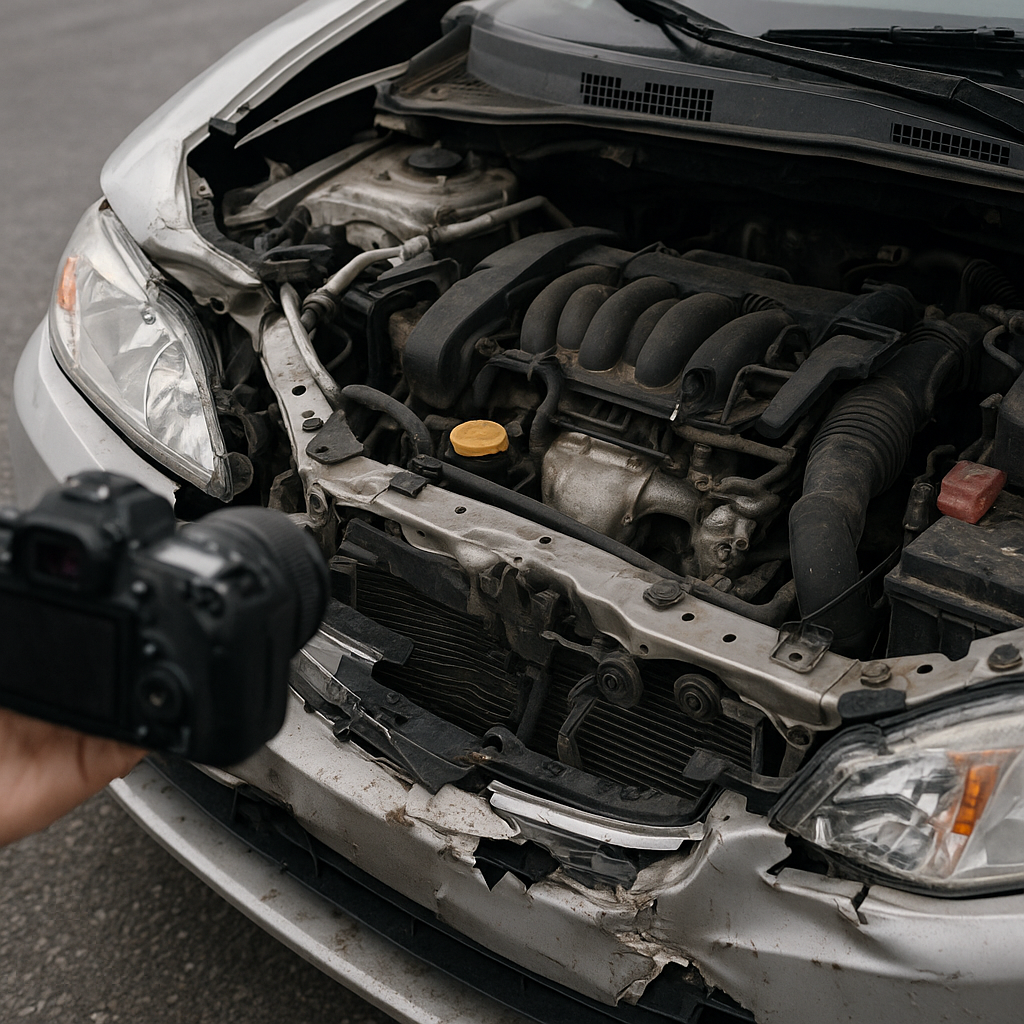
How to Photograph Engine Bay Damage After Accidents
In the realm of vehicle recovery and repair, documenting damage accurately is crucial. Photographs play a central role in the assessment and repair process, especially when it comes to engine bay damage after accidents. This article explores the nuances of photographing engine bay damage, revealing why it’s an essential part of vehicle damage assessment and how you can effectively capture the necessary details.
Overview of Vehicle Damage Assessment After Truck Accidents
When a truck accident occurs, quickly evaluating the extent of damage is vital for planning effective repairs. The engine bay, housing vital components of the vehicle’s power system, is often subject to damage. Photographing this area thoroughly helps in understanding the scale and impact of the accident. Ideally, the images should be clear and detailed, capturing not just the overt manifestations of damage, but also subtle dents, cracks, and malfunctions that might not be immediately visible to the naked eye.
Common Repair Stages
Assessing and repairing vehicle damage involves multiple stages. After photographing the engine bay damage, these images support several key phases:
– Initial Inspection: Photographs are first used by mechanics and estimators to make an initial assessment of the damage. This helps them plan subsequent inspection and repair efforts.
– Damage Assessment: During the detailed examination, images guide technicians in identifying what damage needs immediate attention and how to prioritize repairs.
– Repair Planning: Clear images help in strategizing the repair work, ensuring that the most effective and efficient methods are employed.
Documentation Tied to Repair Decisions
Photographs of engine bay damage serve as foundational documents. High-quality images not only aid in repair processes but also help in keeping a detailed record. These records are often referred back to in the future, especially if further issues arise or if there are queries regarding the vehicle’s repair history. Consistent documentation tied to each repair decision enhances transparency and ensures informed decision-making.
How Delays and Disputes Commonly Happen
Even with meticulous documentation, delays and disputes can arise during the repair process. Delays often occur due to parts availability or the complexity of the damage. Disputes, however, typically emerge from disagreements over the extent of the damage or the cost of repairs.
Improper or incomplete photographic evidence can exacerbate these issues. Blurry images, poor lighting, or missed angles can lead to misinterpretations of the damage. Conversely, detailed and well-taken photographs often preemptively address many common points of contention, as they provide unequivocal evidence of the condition and extent of damage.
To avoid such pitfalls, it’s crucial to capture photographs that are comprehensive and clear. Here are some practical tips:
– Lighting: Ensure proper lighting to clearly illuminate all details. Avoid shadows by using a flashlight or professional lighting tools if photographing in a low-light environment.
– Angles: Capture images from multiple angles. This approach provides a 360-degree view of the damage, revealing hidden aspects that might otherwise be overlooked.
– Focus: Use a camera with a good autofocus system, or manually adjust focus to ensure that all images are sharp and clear.
– Detail Shots: Along with wide shots, taking close-up images of specific components can be greatly beneficial. Items like hoses, belts, and connectors might have minor damages that require attention.
Neutral Closing Paragraph
Photographing engine bay damage after an accident is more than just a procedural task; it’s a critical component of the entire repair process. Through detailed and accurate documentation, stakeholders can ensure swift, effective, and cost-efficient repairs while minimizing potential disputes and delays. These images form an essential link between the accident itself and the step-by-step recovery of the vehicle, highlighting the importance of precision and clarity in the aftermath of any vehicular accident.