
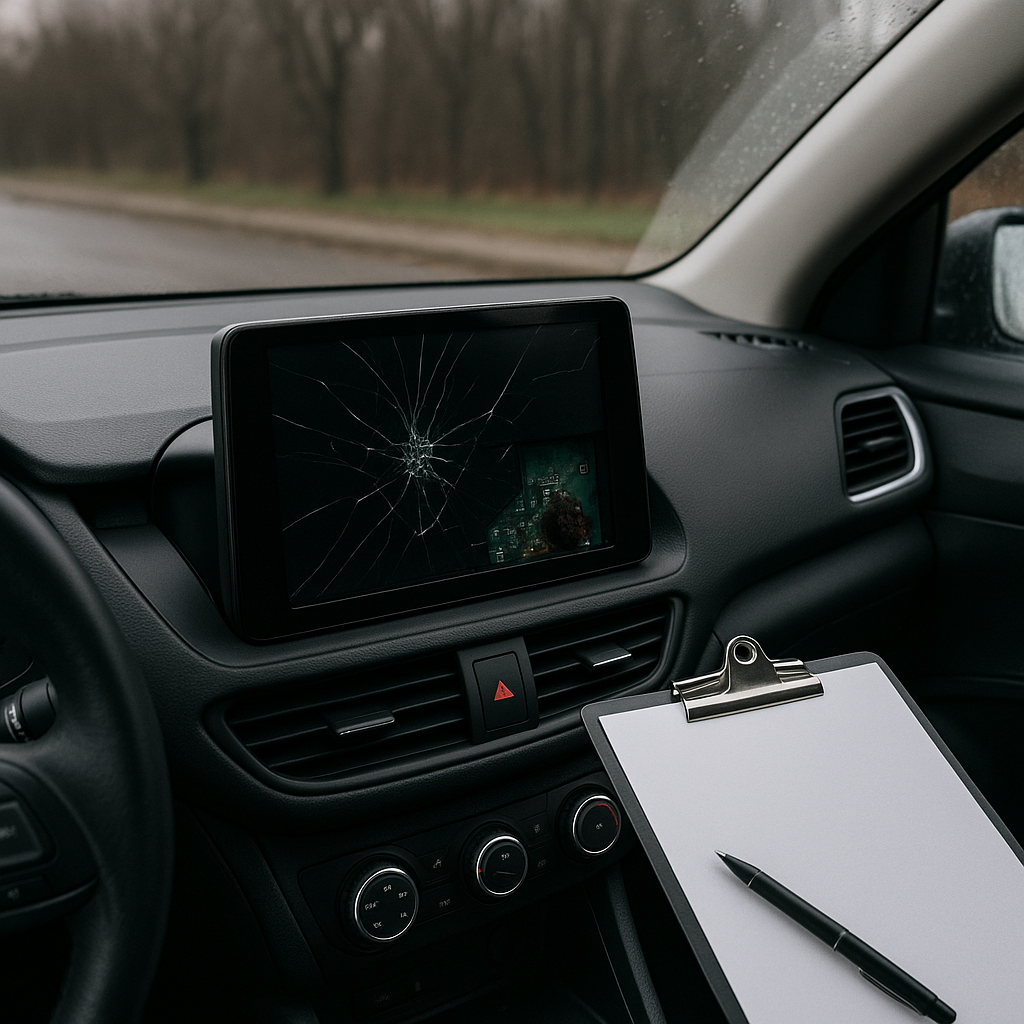
How to Document Damage to Car Electronics
Overview of Vehicle Damage Assessment After Truck Accidents
Truck accidents can have significant impacts on a vehicle’s electronics, often resulting in complex repair processes. Documenting car electronics damage accurately is crucial for effective assessment and repair. This documentation aids mechanics in understanding the extent of the damage and deciding on necessary interventions. By following systematic documentation procedures, vehicle owners and mechanics can ensure the restoration process is efficient and comprehensive.
Common Repair Stages
When documenting car electronics damage, understanding the typical repair stages is beneficial. These stages help provide a clear framework for the documentation process.
1. Initial Inspection: The first step involves a thorough examination of the vehicle’s electronics system. Trained technicians use diagnostic tools to assess the damage and identify affected components. It’s essential to record all findings during this stage, including any error codes and anomalies detected.
2. Detailed Damage Evaluation: Following the initial inspection, a more detailed evaluation is conducted. This stage includes testing individual components such as sensors, wiring, control modules, and fuses. Comprehensive notes and photographs should be taken to capture visible damage or potential issues.
3. Repair Plan Development: Based on the evaluations, a repair plan is developed. This plan outlines necessary repairs and replacements. Documenting this plan helps in tracking progress and acting as a reference for both technicians and vehicle owners.
4. Repair and Replacement: During the repair process, it’s crucial to maintain detailed records of all work performed. This includes part replacements, wiring repairs, and software updates. Each step should be documented thoroughly to ensure transparency and accuracy.
5. Final Testing and Verification: Once repairs are completed, the system is tested again to confirm functionality. Documenting the results of these tests provides assurance that the vehicle’s electronics are fully operational.
Documentation Tied to Repair Decisions
Documentation plays a crucial role in guiding repair decisions. Here’s how precise documentation supports the process:
– Informed Decisions: With clear records, mechanics can make informed decisions about which components need replacement, repair, or recalibration. This prevents unnecessary work and saves time and resources.
– Consistency in Repairs: Detailed documentation ensures that any future repairs or assessments can be performed consistently. A complete history of the electronic system’s conditions and repairs aids continuity and understanding.
– Enhanced Communication: Documentation serves as a communication tool between vehicle owners, mechanics, and other involved parties. It ensures everyone is on the same page regarding the damage, repairs, and costs involved.
– Quality Assurance: Maintaining thorough records ensures quality control throughout the repair process. Technicians can review the documentation to guarantee that all necessary steps have been completed and that the vehicle’s electronics are up to standard.
How Delays and Disputes Commonly Happen
Despite thorough documentation, delays and disputes can still occur. Understanding common issues can help mitigate them:
– Incomplete Documentation: Missing information or vague notes can lead to misunderstandings about the extent of damage or required repairs. Ensuring comprehensive records can prevent these issues.
– Miscommunication: Differences in interpretation among involved parties can lead to delays. Clear, detailed documentation minimizes this risk by providing an objective account of the damage and repair process.
– Supply Chain Delays: Access to replacement parts can cause delays, especially with specialized electronic components. Documentation that clearly outlines the parts needed can help streamline ordering and reduce waiting times.
– Unexpected Complexities: At times, initial evaluations might not reveal all underlying issues. Continued documentation throughout the repair process will ensure that any new problems are recorded and addressed promptly.
Neutral Closing Paragraph
Documenting damage to car electronics is a meticulous process that plays a fundamental role in effective vehicle repair. By following structured assessment and documentation practices, vehicle owners and technicians can work collaboratively to ensure a smooth, efficient repair experience. This attention to detail not only facilitates accurate repairs but also helps prevent future issues, keeping both the vehicle and its electronic systems in optimal working condition.