
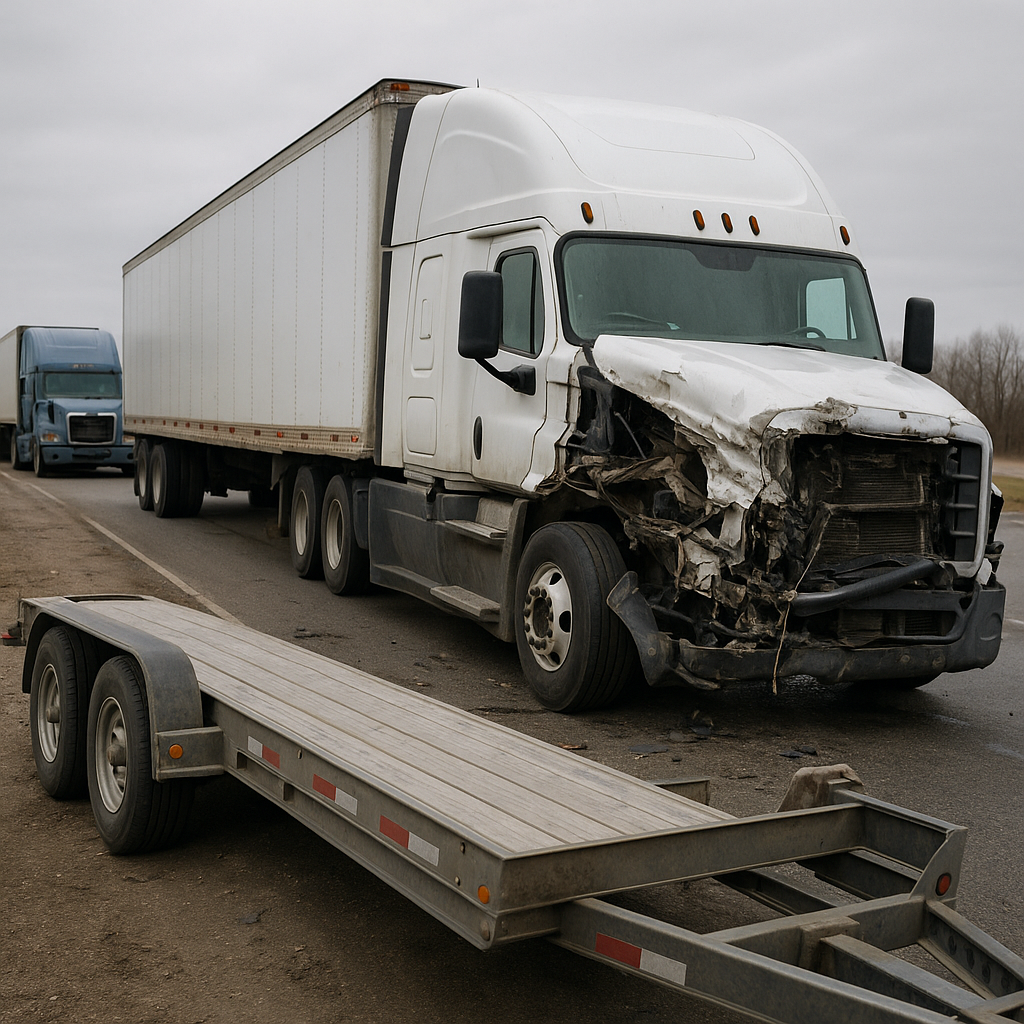
How Long Repairs Take After Semi Truck Accidents
Accidents involving semi trucks can result in extensive damage, prompting a complex repair process. Understanding the timeframes involved in these repairs is crucial for fleet owners, drivers, and other stakeholders. This article explores the key elements that influence the duration of repairs after a semi truck accident, providing valuable insights into the steps and possible delays.
Overview of Vehicle Damage Assessment After Truck Accidents
The first step in the repair process is a thorough damage assessment. This stage is critical, as it determines the extent of the repairs needed. After a semi truck accident, a professional inspection is essential to evaluate both visible and hidden damage. The evaluation includes examining the structural integrity of the truck and looking for damage to key components such as the engine, transmission, axles, and suspension.
Given the complexity of these machines, assessments can take from a few hours to several days. The thoroughness of this process is crucial since any overlooked damage might lead to future problems, increasing the overall repair time and costs.
Common Repair Stages
Repairing a semi truck after an accident generally involves multiple stages, each contributing to the overall timeline.
Structural and Body Repairs
Once the assessment is complete, the next step is to address structural and body damage. This may involve frame straightening, welding, and panel replacement. Repairs at this stage can take anywhere from a couple of weeks to several months, depending on the severity of the damage and availability of parts.
Mechanical Repairs
After structural repairs, the focus shifts to the mechanical components. This stage involves fixing or replacing affected systems, such as the engine, transmission, and braking systems. Due to the complexity and importance of these systems, repairs can be time-consuming.
Painting and Finishing
Once structural and mechanical repairs are done, the truck often needs cosmetic work. Painting and finishing processes are crucial for both aesthetics and protection against corrosion. This stage might add a few days to the repair timeline, depending on the truck’s size and paint requirements.
Quality Assurance and Testing
Before returning the truck to service, thorough quality checks and road tests are conducted. This ensures that all repairs meet safety standards and that the truck functions optimally. While this stage is typically quick, it is essential for ensuring the longevity and reliability of the repairs.
Documentation Tied to Repair Decisions
Documentation plays a critical role in the repair process. Comprehensive records are kept throughout the repair stages to ensure transparency and facilitate communication among all parties involved. This documentation covers everything from initial damage assessments and cost estimates to updates on repair progress and final quality assurance tests.
Keeping detailed records can help prevent misunderstandings and facilitate smoother workflows. However, the time spent on documentation can also add to the overall repair duration, as each step must be meticulously logged.
How Delays and Disputes Commonly Happen
Despite best efforts, the repair process is susceptible to delays and disputes. Understanding the common causes can help stakeholders anticipate potential challenges.
Parts Availability
A frequent source of delay is the availability of replacement parts. Semi trucks require specialized components, and depending on the model and age of the vehicle, sourcing these parts can take time. Global supply chain issues, like those seen in recent years, can exacerbate this problem, leading to extended repair times.
Insurance and Approval Delays
Insurance companies play a significant role in the aftermath of a semi truck accident. Repair estimates often require approval from insurers, and any discrepancies in estimates can lead to disagreements and hold-ups. Prompt communication and thorough documentation are vital for minimizing these delays.
Workshop Capacity and Expertise
The capacity and expertise of the repair workshop can significantly impact repair timelines. Skilled mechanics and technicians are essential for efficient repairs, but demand for their services can lead to scheduling delays. Choosing a well-staffed and experienced repair center can mitigate some of these issues.
Discrepancies in Assessments
Sometimes, differing assessments between repair shops, insurers, and vehicle owners can lead to disputes. These discrepancies may require additional inspections or consultations, extending the overall repair timeline.
Neutral Closing Paragraph
Understanding the complexities involved in repairing semi trucks after accidents can provide valuable insights into potential timelines and challenges. Although many factors influence how long repairs take, accurate assessments, effective communication, and choosing the right repair facilities are key to minimizing downtime. Awareness and preparation can assist stakeholders in navigating the repair process efficiently, ensuring that semi trucks return to the road as safely and quickly as possible.