
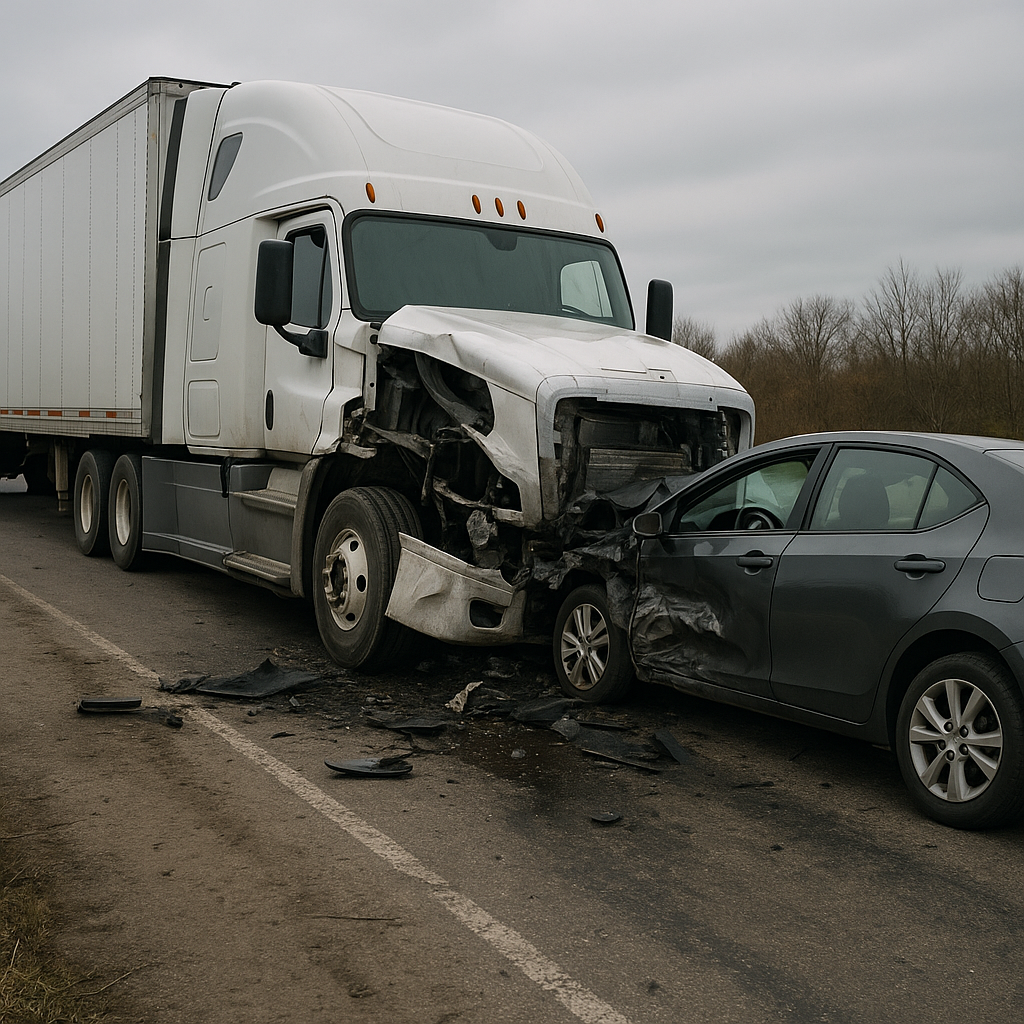
What is a Total Loss After a Truck Accident
Truck accidents, given their size and weight, can result in severe damage to vehicles involved. Understanding what constitutes a “total loss” after a truck accident is crucial for vehicle owners, insurers, and repair professionals. This article aims to provide a comprehensive guide to vehicle damage assessment, repair processes, and the challenges faced along the way.
Overview of Vehicle Damage Assessment After Truck Accidents
When a truck accident occurs, the initial step is typically an assessment of the damage. This evaluation helps determine whether a vehicle is repairable or deemed a total loss. A “total loss” occurs when the cost of repairing the vehicle exceeds its pre-accident value or a certain threshold set by insurers.
Damage Inspection Process
Damage assessment begins with a thorough inspection of the vehicle. Appraisers or adjusters inspect visible and underlying damages to evaluate the extent of the impact. They consider multiple factors, including:
– Structural integrity: Is the frame bent or compromised?
– Mechanical components: Are essential systems such as the engine, transmission, and suspension operational?
– Safety features: Have airbags deployed? Are seatbelts functioning?
– Aesthetics: How much cosmetic work is necessary?
These assessments lead to estimated repair costs, which are crucial in deciding whether a vehicle is repairable or a total loss.
Common Repair Stages
Once the vehicle damage has been assessed and deemed repairable, it undergoes several repair stages, each crucial to restoring functionality and safety.
Disassembly and Analysis
The repair process typically starts with disassembly, which allows technicians to identify hidden damages not visible during the initial assessment. This step can uncover additional issues that affect the repair cost and timeline.
Repair and Replacement
During this phase, damaged components are repaired or replaced. This may involve ordering parts, which can vary in availability and cost. Skilled technicians work to ensure mechanical systems and safety features return to factory standards.
Reassembly and Testing
Once repairs are complete, the vehicle is reassembled. Comprehensive testing follows to confirm that all systems operate correctly and the vehicle meets safety standards. This stage is critical for ensuring that the vehicle is safe to drive.
Documentation Tied to Repair Decisions
Proper documentation is integral to both assessing damages and making repair decisions. This documentation includes:
– Damage reports: Detailed accounts of the damage observed during inspections.
– Repair estimates: Cost predictions that guide repair or total loss decisions.
– Stages and approvals: Records of each repair stage and necessary approvals from vehicle owners and insurers.
Maintaining detailed documentation ensures transparency and assists in verifying the necessity and extent of repairs. It also provides a record that can be referenced in discussions or disputes.
How Delays and Disputes Commonly Happen
Several factors can lead to delays and disputes in the aftermath of a truck accident, affecting the repair timeline and determination of a total loss.
Parts Availability
The availability of replacement parts can significantly delay repairs. Specialty parts, particularly for older or less common models, may require longer lead times. Delays in obtaining these parts can extend the repair process significantly.
Disagreement on Valuation
Insurers and vehicle owners may disagree on the assessed value of damages or the vehicle’s pre-accident value. Such disputes can slow down the process of declaring a total loss or approving repairs.
Communication Gaps
Clear and consistent communication between insurers, repair shops, and vehicle owners is essential. Misunderstandings or lack of timely updates can result in further delays and complicate repair decisions.
Regulatory and Safety Compliance
Ensuring repairs meet regulatory standards and safety compliance can add time to the process. Thorough testing and inspections are imperative but can introduce additional time constraints.
Neutral Conclusion
Understanding what constitutes a total loss after a truck accident is crucial for anyone involved in such an unfortunate event. From initial damage assessment to repair and resolution, each step requires careful consideration and documentation. While many aspects of the process are straightforward, potential delays and disputes can complicate matters. By maintaining clear communication, thorough documentation, and adherence to safety standards, the journey from accident to resolution can be managed effectively.
Navigating the aftermath of a truck accident can be complex, but with detailed understanding and cooperation among all parties involved, achieving a positive outcome becomes more feasible. Whether determining a total loss or proceeding with repairs, a systematic approach ensures the safety and satisfaction of everyone involved.