
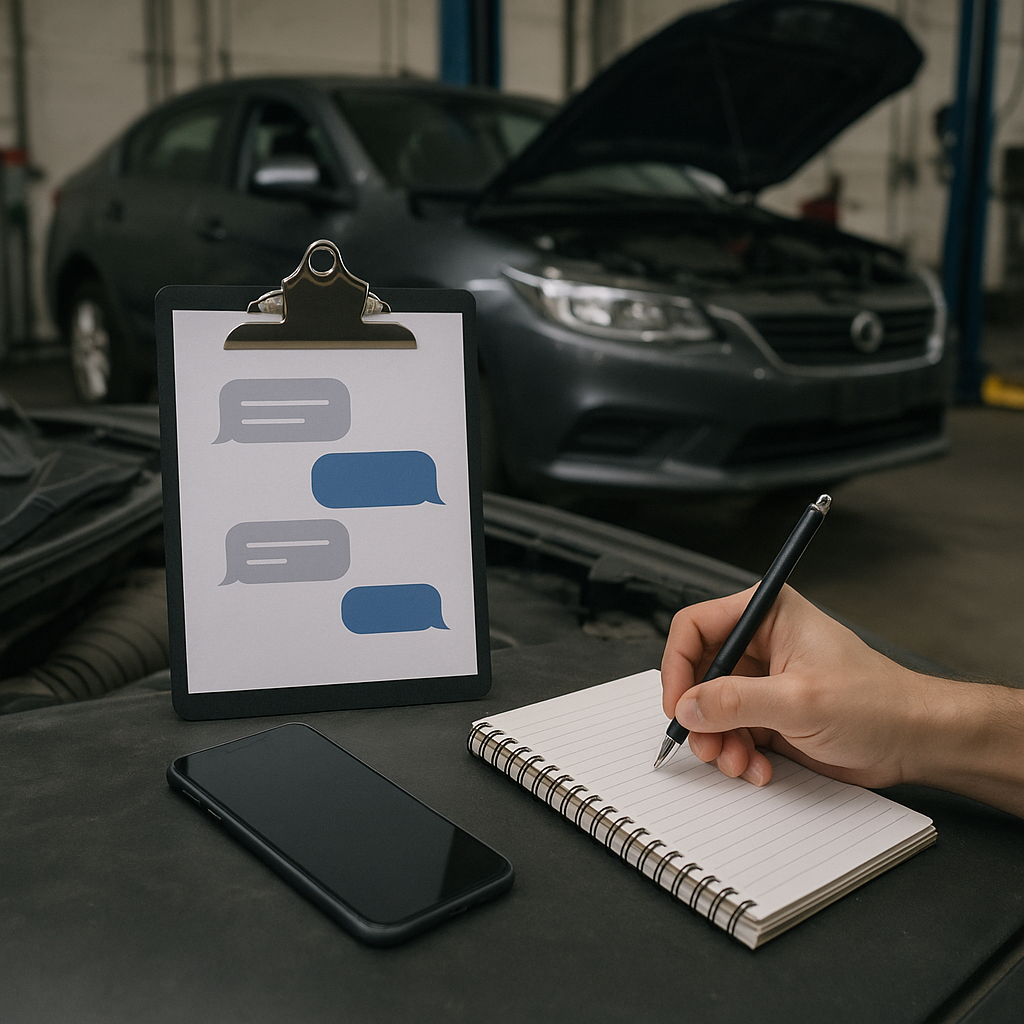
How to Document Communication with Repair Shops
When your truck is involved in an accident, the road to recovery isn’t just about repairs. Effective communication with repair shops is crucial for ensuring transparency and avoiding potential disputes. This article delves into how you can document communication with repair shops effectively, navigate the repair stages, and manage potential delays.
Overview of Vehicle Damage Assessment after Truck Accidents
Before launching into the repair process, assessing the damage is the first critical step. The assessment is a comprehensive examination that determines the impact of the accident on your vehicle. Understanding this process enables you to leverage clear communication with your repair shop.
Initial Inspection
A professional inspection will pinpoint both visible and hidden damages. Technicians will document any issues they find, which becomes the foundation for subsequent repair work. It’s essential to obtain a detailed written report of this inspection, which serves as the first piece of documentation for ongoing communication.
Repair Estimates
Following the assessment, the repair shop will provide an estimate. This outline should detail costs, parts required, labor fees, and anticipated timelines. Having a clear estimate helps ensure that all parties involved have aligned expectations and can minimize misunderstandings down the line.
Common Repair Stages
Understanding the typical repair stages will help you track the process effectively and maintain accurate documentation.
Disassembly
The truck is disassembled to assess internal damage. Any new issues discovered during this phase should be documented and communicated. Request updates in writing if additional repairs are necessary beyond the initial estimate.
Parts Ordering
Repairs can’t proceed without the right parts. Document any communication regarding parts ordering, including availability and potential delays. This can be vital if there are issues or disputes over timelines.
Repair Work
Once parts have arrived, the actual repair work begins. Regular updates on progress are crucial. Keep a log of all communications regarding timelines or changes to the repair scope.
Reassembly and Inspection
After repairs, the truck is reassembled and undergoes a final inspection. Ensure that you receive a completion report detailing all work done before the vehicle leaves the shop.
Documentation Tied to Repair Decisions
Clear documentation of all decisions and communications is fundamental to a smooth repair process.
Written Communication
Whenever possible, opt for emails or written messages over phone calls. Written communication provides a tangible record that can be referred back to, preventing misinterpretation.
Record Keeping
Maintain a detailed log of all interactions. Include dates, the names of individuals spoken to, topics discussed, and any agreements made. This comprehensive record will be invaluable if you encounter discrepancies or disputes.
Photos and Videos
Visual documentation can be particularly persuasive. Take photos and videos of the damage before and after repairs. This visual evidence can be crucial if further issues arise.
How Delays and Disputes Commonly Happen
Even with meticulous planning, delays and disputes can occur. Understanding common causes can help you stay prepared.
Parts Delays
Parts shortages or the necessity of sourcing unique components can lead to delays. These should be communicated promptly by the repair shop, with explanations provided. Proper documentation of these communications can help manage expectations.
Miscommunication
Miscommunication often results from verbal exchanges that aren’t recorded. Ensure that all agreements and estimates are in writing to counteract potential discrepancies.
Unsatisfactory Repairs
If repairs are not completed to satisfaction, it’s important to have readily accessible documentation of all agreed-upon repairs. This provides a solid foundation for resolving issues without escalating tensions.
Neutral Closing Paragraph
In conclusion, documenting communication with repair shops is an invaluable practice that can save time, reduce stress, and prevent misunderstandings. By staying organized and keeping a clear record of all interactions, from initial estimates to the completed repair report, you empower yourself to navigate the repair process with confidence and clarity. While challenges such as delays and disputes may arise, maintaining thorough documentation serves as a steady guide through the complexities of vehicle repair post-accident.