
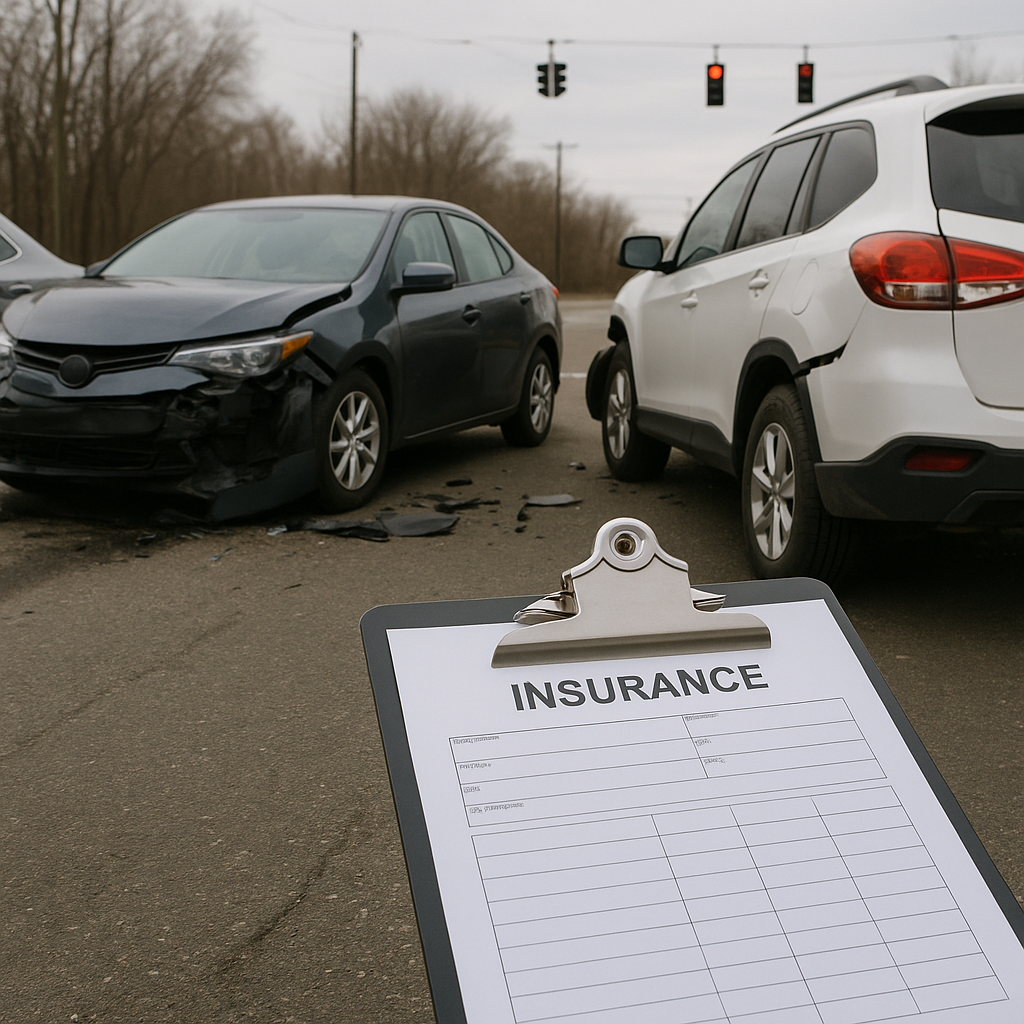
How to Handle Insurance Communication When Multiple Vehicles Involved
Accidents involving multiple vehicles can be chaotic and stressful. Such incidents often require drivers to navigate complex insurance communication processes to ensure claims are properly handled. Understanding how to manage these interactions effectively is crucial in resolving claims efficiently and reducing stress. This article provides insight into the intricacies of insurance communication when multiple vehicles are involved in an accident.
Overview of Insurance Communication After Multiple-Vehicle Accidents
Accidents involving multiple vehicles present unique challenges compared to single-vehicle incidents. With several parties and insurance companies involved, the communication process can become complicated. Good communication is essential for all parties to reach a fair settlement.
Insurance communication involves notifying each involved insurance company about the accident, providing them with necessary details, and responding to their requests. The goal is to ensure accurate representation of events so that liability and damage assessments are correctly evaluated.
Common Types of Insurance Requests
When dealing with insurance communication involving multiple vehicles, certain types of requests are common. Understanding these can help streamline the process.
1. Information Requests:
Insurers often ask for specific details about the accident. This might include the date, time, and location of the accident, as well as the contact details of all parties involved.
2. Statements:
Drivers may be required to provide written or recorded statements detailing their perspective of the incident. It’s important to provide clear and concise accounts, sticking to the facts without speculation.
3. Police Reports:
Insurance companies typically request the official police report, which offers an impartial account of the accident. This report can be pivotal in determining liability.
4. Damage Assessments:
Insurers may ask for appraisals or estimates of the damage to assess claims. Providing thorough documentation, such as photographs of the collision and repair estimates, can facilitate this process.
5. Medical Records:
If injuries occurred, insurers may require medical records or doctor’s notes to verify claims related to physical harm. Providing these promptly can aid in processing medical claims efficiently.
Common Communication Misunderstandings
Misunderstandings during insurance communication can delay claim processing and lead to disputes. Being aware of typical misunderstandings can help prevent them.
1. Inconsistent Statements:
Variations in how individuals recount the accident can create confusion. It’s important to be consistent with details across all communications.
2. Omitting Details:
Leaving out crucial information, intentionally or unintentionally, can lead to complications. Ensure complete and accurate sharing of all pertinent details.
3. Misinterpreting Insurance Jargon:
The insurance industry uses specific terminology that may not be familiar to everyone. Misunderstanding this jargon can lead to communication breakdowns, underscoring the importance of asking for clarification if terms are unclear.
4. Confusion Over Liability:
Defining liability in multi-vehicle accidents can be complex. Miscommunication about who is at fault can hinder claim settlements. Cooperation with insurers and legal advisors can help in reaching clear conclusions.
Documentation That Often Supports Communication
Keeping thorough records is essential in managing insurance communication effectively. The right documentation supports your claims and provides evidence to back up statements.
– Photos and Videos:
Capture images or videos of the accident scene from different angles, including vehicle damage, road conditions, and any relevant traffic signs. This visual evidence can be invaluable in claims resolution.
– Witness Information:
Collect contact information from any witnesses. Their statements can provide an unbiased account of the accident, which may support your case.
– Repair Estimates:
Obtain written estimates of repair costs from licensed mechanics or repair shops. These documents help insurers determine the cost of damages accurately.
– Medical Documentation:
In case of injury, secure comprehensive medical records and treatment details. Documentation from healthcare providers validates the extent and impact of injuries.
– Official Reports:
Keep copies of police reports, any traffic citations issued, and other official documents pertinent to the incident. These provide objective insights into the event.
Neutral Closing Paragraph
Navigating insurance communication following a multi-vehicle accident can be daunting, but understanding the process and maintaining clear, consistent communication will facilitate smoother settlements. Being diligent in providing necessary information, avoiding common misunderstandings, and having thorough documentation ready should ease the interaction with insurance companies. Remember, effective communication not only aids in the resolution of claims but also contributes to a more streamlined recovery post-accident.