
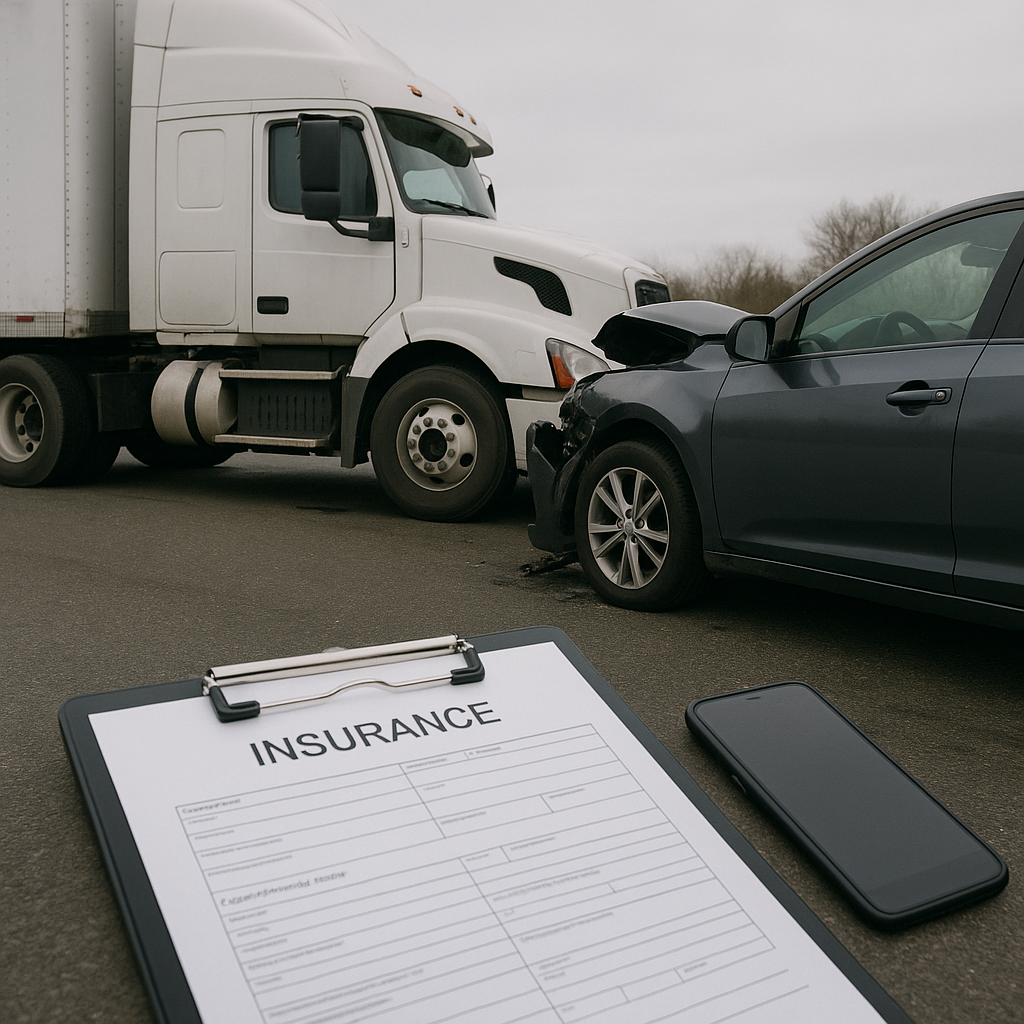
How to Handle Insurance When the Truck Driver Is Uninsured
Navigating the complexities of insurance claims can be daunting, especially following a truck accident where the driver lacks adequate insurance. This scenario presents unique challenges that require a clear understanding of insurance communication, documentation, and common misunderstandings that can arise. This article aims to guide you through these intricacies, providing insights into effectively managing the situation without offering legal advice.
Overview of Insurance Communication After Truck Accidents
Communication with insurance companies after a truck accident is critical, particularly when dealing with an uninsured truck driver. The process can be multifaceted, involving multiple insurers, including your own, the truck company’s insurance (if applicable), and potentially other parties. The key is to maintain clear, consistent, and documented communication throughout the process.
Initially, after a truck accident, contacting your insurance company to report the incident is crucial. They will guide you through the next steps, including possibly engaging with your uninsured motorist (UM) coverage if available. Understanding how your policy covers such situations and the extent of coverage can be pivotal in navigating the claims process effectively.
Common Types of Insurance Requests
When handling a case involving an uninsured truck driver, expect to encounter various insurance requests. These may include:
– Details of the Accident: Insurers often request comprehensive details, such as the date, time, location, and circumstances surrounding the accident.
– Police Report: A formal police report provides an official account of the accident, often required as evidence by insurance companies.
– Witness Statements: If there were witnesses, their accounts might be requested to corroborate your version of events.
– Photographic Evidence: Photos taken immediately after the accident can support claims about the extent of damage and context of the incident.
– Medical Records: If there are injuries, medical records provide essential information regarding their extent and relation to the accident.
By anticipating these requests, you can better prepare and provide the necessary documentation promptly, facilitating smoother communication with your insurer.
Common Communication Misunderstandings
Misunderstandings during insurance communication can delay or complicate the claims process. Being aware of common pitfalls can help you avoid them:
– Assuming Coverage: Never assume that certain damages or scenarios are covered without confirmation. Always double-check your policy for specific terms relating to uninsured motorist coverage and clarify with your insurer if in doubt.
– Incomplete Documentation: Providing partial or incomplete documents can lead to repeated requests and delays. Ensure all requested information is submitted accurately.
– Misinterpreting Communication: Misunderstandings can occur if communication is not clear. Always seek clarification if any part of the insurance conversation is confusing and document all communications.
– Overlooking Timelines: Insurance claims often come with specific timelines for reporting and providing documentation. Failing to adhere to these can hinder the process.
Being proactive in addressing these areas can significantly reduce misunderstanding and help streamline the insurance communication process.
Documentation That Often Supports Communication
Effective communication in the insurance process is underpinned by comprehensive and accurate documentation. Here are key documents that can support your communication efforts:
– Accident Report Form: A filled-out form detailing every aspect of the accident can be invaluable, serving as a primary reference for both you and your insurer.
– Diary of Communication: Keep a detailed log of all interactions with insurers, including dates, times, the persons spoken to, and the content of conversations. This log can be a vital tool if disputes arise.
– Repair Estimates: Having a written estimate of repair costs from a reputable shop can help in discussions regarding the extent of vehicle damage and necessary compensation.
– Insurance Policy Details: Keep your insurance policy handy with highlighted details regarding uninsured motorist coverage to facilitate easy reference during discussions.
Utilizing these documents effectively can help ensure that your communication with insurers remains clear, comprehensive, and focused on resolving the issues at hand.
Neutral Closing Paragraph
Managing insurance communication when dealing with an uninsured truck driver can be complex, but understanding the intricacies of the process and common challenges can aid in navigating it efficiently. While this article doesn’t provide legal advice, the emphasis on clear communication, complete documentation, and awareness of potential misunderstandings can empower you to handle the situation more effectively. Remember, your insurance company is there to assist you, so staying informed and proactive is key to successfully managing the claims process.