
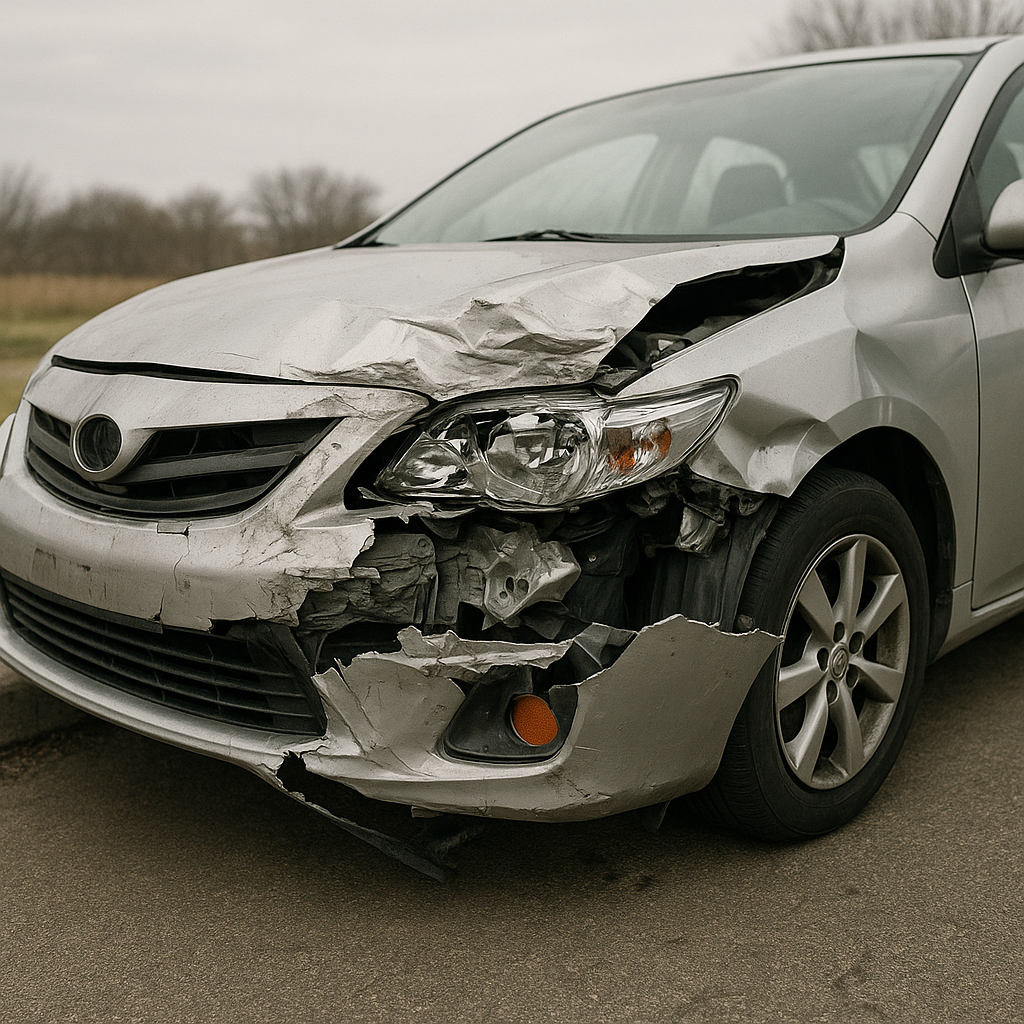
Best Angles for Photographing Crash Damage
Photographing crash damage effectively is crucial for assessing vehicle condition post-accident. Whether documenting a minor fender bender or a severe collision, capturing the right images is paramount for accurate vehicle damage assessment. This article explores the best angles for photographing crash damage, providing insights into how these photographs play a critical role in the assessment and repair process.
Overview of Vehicle Damage Assessment After Truck Accidents
Vehicle damage assessment is a detailed process that aims to evaluate the extent and severity of damage caused by an accident. This process is vital for determining the necessary repairs to restore the vehicle to its pre-accident state.
In the aftermath of truck accidents, clarity in documentation is essential. Well-composed photographs help insurance adjusters, repair shops, and vehicle owners gain a clear understanding of the damage sustained. Photos often reveal details that might be overlooked during physical inspections.
Common Repair Stages
The repair process typically involves several stages, each necessitating a different perspective on the damage:
1. Initial Inspection: Initial photos should capture the overall condition of the vehicle. Wide-angle shots showing the vehicle from both sides and at a 45-degree angle from each corner offer a comprehensive view. These images help contextualize the damage within the entire vehicle structure.
2. Detailed Damage Assessment: Subsequent photos should focus on the specific areas of damage. Close-up shots are ideal for documenting intricate details such as scratches, dents, and broken parts. It’s crucial to consider lighting; natural light or using a polarizing filter may enhance these images, reducing glare and revealing more detail.
3. Hidden Damage: Underneath the vehicle and under the hood are areas that might conceal damage. Photos from below, using a mechanic’s creeper or lift, can unveil issues like suspension damage. Similarly, under-the-hood shots highlight mechanical and structural concerns.
Documentation Tied to Repair Decisions
High-quality photographs serve as an essential record, influencing repair decisions significantly. They document the extent of the damage and provide a clear reference that repair technicians use to determine necessary parts and labor. Additionally, photographs are used to:
– Estimate Costs: Insurers utilize detailed images to calculate repair costs accurately.
– Guide Repairs: Mechanics rely on photos for parts identification and to strategize repair approaches.
– Verify Work Done: Post-repair photographs ensure that the work performed aligns with initial assessments and agreed-upon repairs.
How Delays and Disputes Commonly Happen
Photographs play a pivotal role in preventing delays and disputes by providing a visual record of damages. However, issues arise when:
– Inadequate or Poor-Quality Photos: Blurry, poorly-lit images lacking perspective can lead to misinterpretations of damage extent, causing disputes between parties over repair responsibility and scope.
– Incomplete Angles: Omission of certain angles might hide specific types of damage, creating discrepancies in damage assessment. Capturing comprehensive angles ensures all affected areas are documented.
– Lack of Consistency: Photos taken with different devices or in inconsistent lighting conditions might lead to differing interpretations across parties handling claims. Consistency in documentation is key to maintaining clarity.
Appointing a trained photographer, familiar with the needed angles and techniques for capturing crash damage, can significantly mitigate these issues.
Conclusion
Properly photographing crash damage entails more than simple point-and-shoot techniques. It requires strategic angle selection and consideration of factors such as lighting and perspective to produce images that are clear, accurate, and comprehensive. By capturing multiple angles, focusing on both the overview and specifics of the damage, and maintaining consistency in documentation, parties involved can better assess and address vehicle damage post-accident.
In summary, whether you are an insurance adjuster, a repair professional, or a vehicle owner, understanding and implementing the best angles for photographing crash damage can streamline the assessment process, reduce potential disputes, and ultimately contribute to a more efficient and effective vehicle repair journey.