
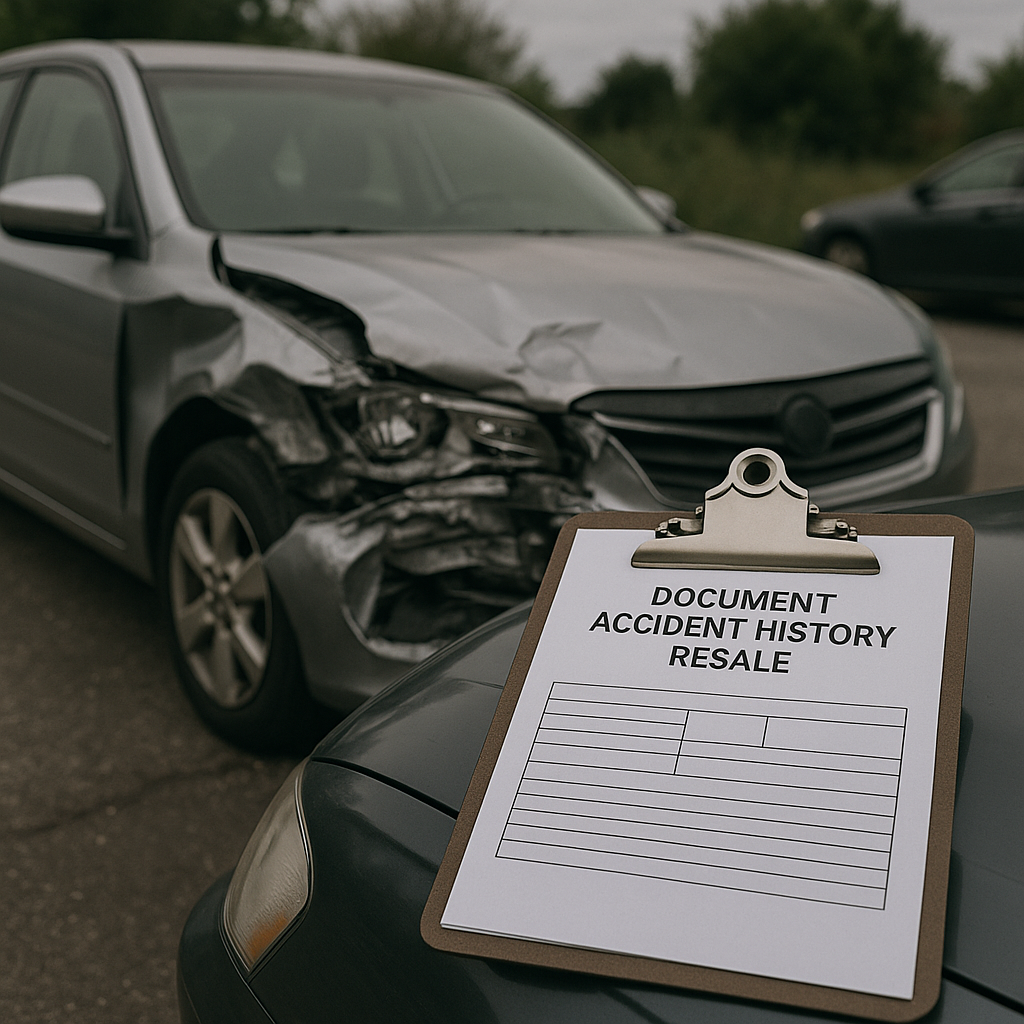
How to Document Accident History for Resale
When planning to resell a vehicle, especially after a truck accident, documenting its accident history is crucial. It not only helps build trust with potential buyers but also can impact the vehicle’s resale value. In this article, we will explore how to effectively document accident history for resale, ensuring that all necessary information is transparently conveyed while maintaining a neutral stance throughout.
Overview of Vehicle Damage Assessment After Truck Accidents
After a truck accident, the first step toward documenting its history is assessing the damage. Understanding the extent of damage is essential for determining the repair approach and documenting the subsequent process. A comprehensive vehicle damage assessment usually involves:
– Visual Inspection: The initial evaluation of the vehicle’s condition by trained inspectors or mechanics. This step identifies obvious damages such as dents, scratches, or broken parts.
– Technical Diagnostics: Using computerized tools to check internal systems for hidden damages that might not be visible during a visual inspection, such as issues with the electronic systems or engine.
– Photographic Evidence: Capturing images of all affected parts of the vehicle. Photographs provide a visual record that is invaluable for documentation purposes and future reference.
– Written Assessment: Compiling a written report detailing the damage’s nature, its likely causes, and potential repair needs.
This detailed assessment lays the groundwork for accurate and transparent documentation, essential for prospective buyers assessing the vehicle’s history.
Common Repair Stages
Once the damage assessment is complete, the truck typically undergoes various repair stages, each needing precise documentation. These stages generally include:
– Disassembly and Evaluation: Parts affected by the accident are removed for thorough inspection. This helps in identifying all necessary repairs or replacements, with each step documented.
– Repair Authorization: In this phase, repair decisions are formalized. Every suggested repair, its justification, and the cost involved should be recorded to maintain transparency.
– Repair Process: Actual repairs are undertaken, requiring detailed logs of labor, parts used, and timelines for each repair. Including receipts and invoices adds credibility to the documentation.
– Quality Control and Reassembly: Once repairs are complete, the vehicle undergoes a quality control inspection to ensure repairs meet safety standards before reassembly.
– Final Inspection and Testing: The repaired truck is thoroughly tested to confirm that it is fully functional and safe. Results from these tests are critical for comprehensive documentation.
Recording these repair stages and associated details ensures that potential buyers have a clear understanding of the accident’s impact and the measures taken to rectify it.
Documentation Tied to Repair Decisions
Accurate documentation tied to repair decisions serves several purposes. It informs buyers of the accident severity, offers insights into maintenance quality, and assures them of the vehicle’s roadworthiness. Key elements of this documentation include:
– Repair Invoice Copies: These list all parts replaced or repaired, the labor involved, and the costs, providing a detailed account of the repairs carried out.
– Maintenance Records: Demonstrating regular maintenance post-repair can reassure buyers that the vehicle was properly cared for, impacting its resale prospects.
– Parts Warranty Documentation: If any replacement parts come with a warranty, including this information can be advantageous, as it adds value for potential buyers.
– Vehicle History Report: Obtaining a vehicle history report from a reputable agency adds an official layer of credibility to the documented history.
By systematically preserving these documents, sellers can effectively communicate the accident history in a trustworthy manner.
How Delays and Disputes Commonly Happen
Several factors can lead to delays or disputes during the process of documenting accident history. These might include:
– Insurance Delays: Waiting for insurance approvals can hold up repairs, affecting the timeline for completing documentation. Clear communication with insurers can mitigate such delays.
– Disagreements on Repair Decisions: Disputes between vehicle owners and repair shops over necessary repairs can arise. Detailed photographic evidence and assessments can help resolve these issues swiftly.
– Availability of Parts: Delays in obtaining required parts may slow down repairs, impacting the overall documentation process. Establishing connections with reliable suppliers can lessen the impact.
These potential issues highlight the importance of proactive planning and clear communication throughout the documentation journey.
Neutral Closing Paragraph
Documenting a vehicle’s accident history for resale is a significant task that requires diligence and transparency. By carefully assessing damage, meticulously logging the repair process, and preserving all related documents, sellers can provide a clear and honest account of the vehicle’s past. This not only helps potential buyers make informed decisions but also enhances the trustworthiness of the transaction, ultimately benefiting all parties involved.