
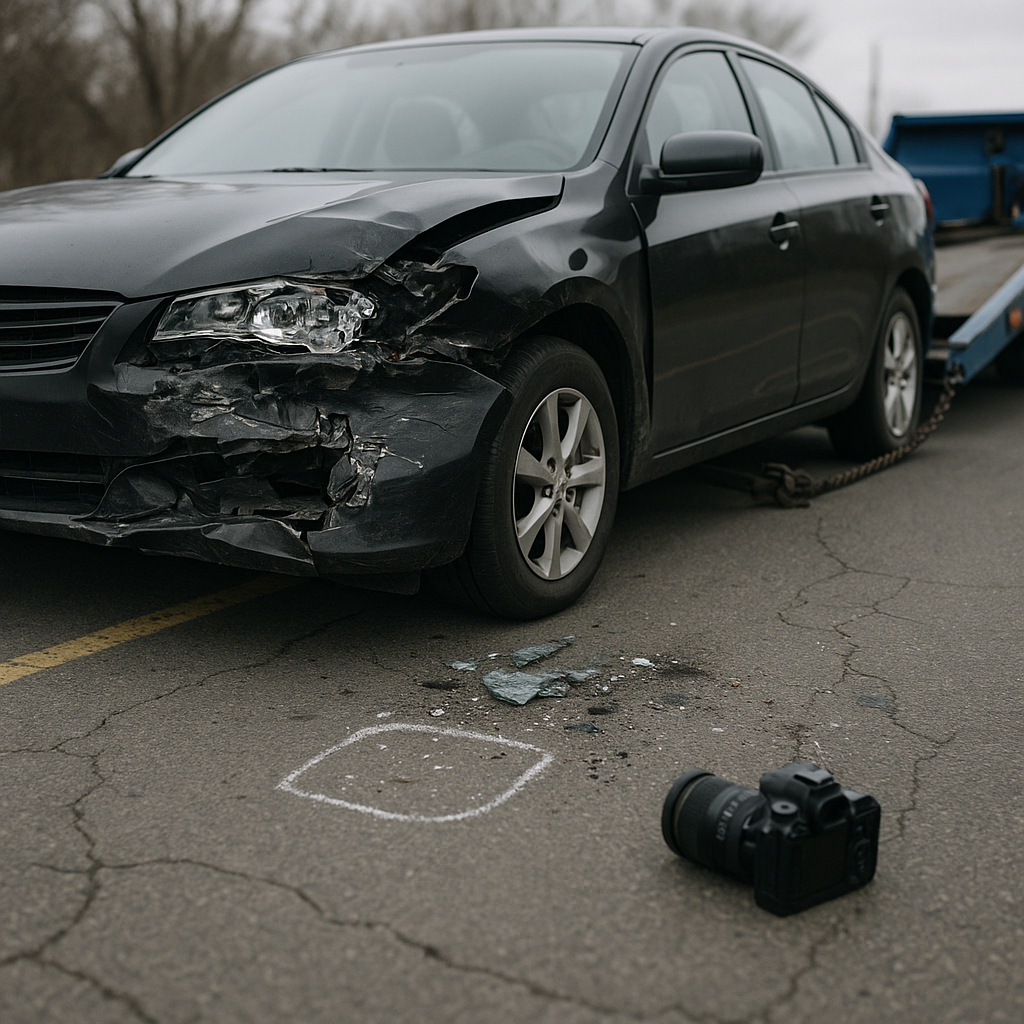
How to Document Accident Scene Evidence Before Towing
Accidents are unexpected, often leaving those involved feeling overwhelmed. Handling these situations with clarity and poise is crucial, particularly when it comes to documenting evidence before towing. This documentation plays a vital role in providing accurate details for future reference, whether for insurance purposes, repair assessments, or other needs.
Overview of Accident Scene Documentation
Documenting an accident scene is an essential part of responding to such incidents. Capturing accurate details helps ensure a fair analysis and aids all stakeholders involved, including insurance companies, law enforcement, and legal entities. Though it may seem daunting, understanding what types of evidence to look for, and their significance, can help alleviate some of the stress.
Common Evidence People May Capture
Accident scenes are rich with details that can be pivotal in understanding what happened. Here is a list of common types of evidence people might document:
– Vehicle Damage: Pictures of the damage to all vehicles involved, including dents, scratches, and displaced parts.
– Road Conditions: Photographs or notes about the road surface, visibility, and any weather conditions (e.g., wet, icy, foggy).
– Debris and Vehicle Position: Photos of the debris on the road and the positioning of vehicles after the collision.
– Skid Marks: Images of skid marks or any unusual tire tracks which can provide insights into the movements leading to the accident.
– Traffic Signs and Signals: Documentation of nearby traffic signs and signals that could have influenced the situation.
– Witness Information: Contact details of any witnesses, along with recorded statements if they’re willing.
– License Plates and Insurance Info: Clear images of the license plates and exchanges of insurance information with other involved parties.
– Personal Notes: Descriptive notes about the sequence of events leading to the accident from your perspective.
Why Documentation Helps Preserve Clarity
The importance of documenting evidence before towing lies in its power to preserve the clarity and integrity of the scene. Memories can quickly fade or become unreliable, but photographic evidence and thorough documentation offer objective insights into the incident.
Having a detailed account allows all involved parties to evaluate the situation realistically. Insurance companies can deploy claims teams more effectively, and if any legal matters ensue, a documented record solidifies your stance. Additionally, accurate documentation can expedite the process of repairs and claims approvals by reducing ambiguities and misunderstandings.
Common Scene Documentation Challenges
Despite the value of thorough documentation, several challenges often arise at accident scenes. The chaotic environment, emotional stress, and immediate safety concerns can obstruct the process.
One primary challenge is the availability of a device capable of capturing high-quality images. In unfortunate circumstances, technical difficulties or damaged devices can hinder photographic documentation.
Another issue is the presence of traffic or obstruction by emergency services. While it’s crucial to follow directions from first responders, these elements can limit access to certain vantage points needed for capturing comprehensive evidence.
There is also the stress factor. Following a collision, adrenaline can impede clear thinking, hindering one’s ability to focus and gather details effectively. Remaining as calm as possible will enhance accuracy but is understandably difficult.
The variability of witnesses complicates capturing statements, too. Witnesses may not be willing or available to provide information, which underscores the importance of acting swiftly.
Neutral Closing Paragraph
Documenting evidence before towing a vehicle post-accident is a significant step toward ensuring clarity and fairness in resolving the incident. While challenges exist, understanding what types of evidence to prioritize and the importance of doing so can provide peace of mind. It equips those involved with reliable information to manage the aftermath efficiently and effectively. Remember, documentation is not just about protecting yourself but contributing to a clear, unbiased account of events that can benefit everyone involved.