
How to Document Bruising or Visible Injuries Early
Document bruising early to ensure accurate records and provide essential evidence if needed later. Whether you’re involved in a legal case, managing a medical condition, or simply keeping a personal health journal, capturing the details right from the start is crucial. This guide will walk you through the steps to effectively document bruising or any visible injuries.
Understanding the Importance
Documenting bruising early is not just about evidence but also about medical accuracy. Injuries evolve rapidly, and changes can occur within hours. Having a detailed record helps medical professionals make informed decisions and provides you with peace of mind.
Tools You Need
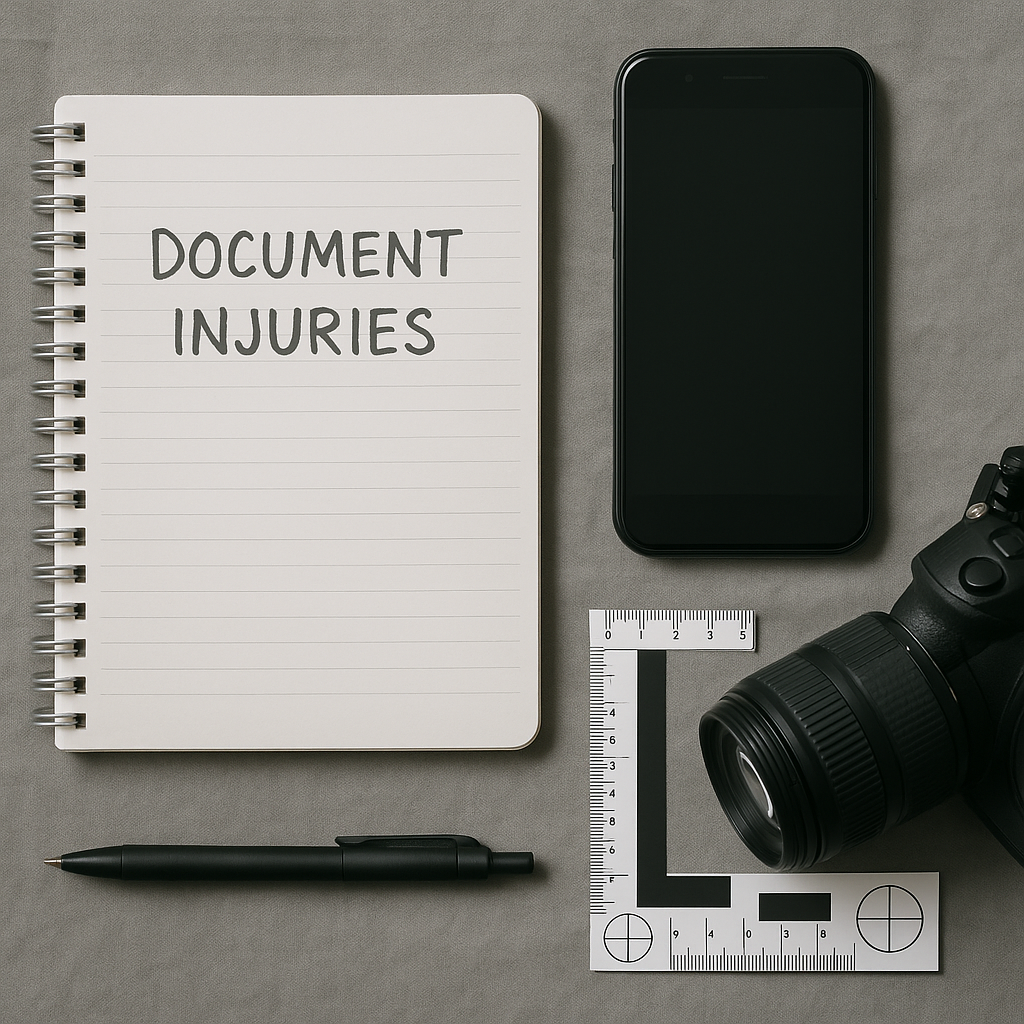
Before you start, gather the necessary tools. A smartphone or camera, a note-taking app or a notebook, and a measuring tape can make documentation easier. These tools help in recording details accurately and efficiently.
Step-by-Step Guide
1. Photographic Evidence
Start by taking clear, high-resolution photos. Natural light works best for capturing the true colors of bruising. Take photos from different angles and distances to get a comprehensive view of the injury’s extent.
2. Note the Date and Time
Always note the date and time when the injury occurred and when each photo was taken. This timeline is essential, as it provides a chronological framework that can be used to track the healing process.
3. Describe the Characteristics
Include a written description of the bruising. Note the color, size, and any swelling or pain. Use descriptive terms like “deep purple,” “spreading,” or “warm to touch” to capture the specifics. This can add depth to the photographic evidence.
Key Details to Capture
When you document bruising early, certain details should not be overlooked. These details not only assist in medical diagnosis but can also be essential for legal purposes.
– Location and Size
Measure the bruise with a ruler or tape measure and note its size. Specify the location on the body, using specific terms like “left forearm” or “right ankle” to make identification precise.
– Symptom Changes
Pay attention to any changes or developments in symptoms. Is the bruise spreading or changing color? Are new bruises appearing without explanation? Record these changes meticulously.
– Associated Symptoms
Mention any associated symptoms like dizziness, pain levels, or mobility issues. Pairing these with the visual evidence gives a fuller picture of the situation.
Tips for Effective Documentation
1. Stay Consistent
Regularly update your documentation to capture changes over time. Daily notes might seem tedious, but they are invaluable for tracking progression.
2. Use Technology
Consider using apps designed for medical documentation or journaling. Many apps offer features to catalog photos and notes efficiently and securely.
3. Seek Professional Input
If possible, consult a healthcare professional to verify your documentation. Their insights can be crucial especially when logs might be used in medical or legal evaluations.
Legal Considerations
In circumstances where legal action might be necessary, early documentation becomes even more critical. Legal cases involving personal injury claims often rely heavily on accurate, timely records to support claims.
– Secure Copies
Always keep multiple copies of each document, photo, and note. Digital backups, such as storing files in the cloud, are recommended to prevent loss.
– Professional Assistance
If legal proceedings are anticipated, it might be beneficial to have your documentation reviewed by a legal professional. They can advise on additional information to record and how to preserve the integrity of evidence.
Final Thoughts
The ability to document bruising early serves multiple purposes. It supports medical treatment, underpins legal claims, and empowers individuals with a detailed record of their condition. By following the steps and tips provided, you ensure that you capture the complete picture, allowing for informed decisions and peace of mind. With consistent and thorough documentation, you hold valuable information that can aid in achieving the best outcomes.