
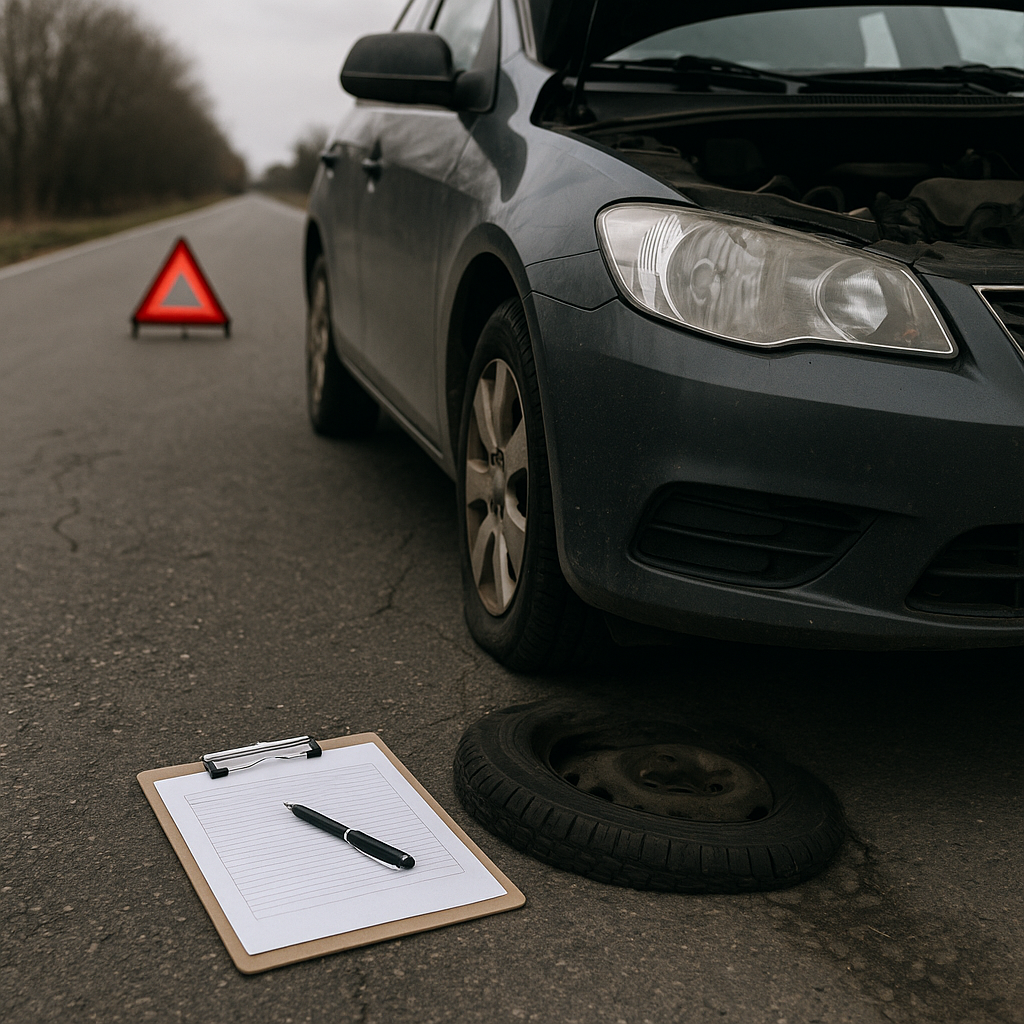
How to Document Mechanical Failure Signs at the Scene
When faced with an accident resulting from mechanical failure, documenting the scene accurately is crucial. While it’s not intended to replace expert analysis, detailed documentation can play a pivotal role in understanding what went wrong and why. This article explores the importance of capturing mechanical failure signs and addresses common challenges encountered during the process.
Overview of Accident Scene Documentation
Accidents cause a whirlwind of stress and confusion, but documenting the scene promptly and accurately can provide invaluable context for investigations. At the accident site, numerous elements come into play, making it essential to focus on the minutiae, especially when mechanical failure is suspected. Careful documentation of these signs establishes a clearer picture for future analysis by mechanics, insurance investigators, and engineers.
Documenting mechanical failure signs at the scene involves capturing visual and physical evidence related to the vehicle’s components, environmental conditions, and the resulting damage. This documentation helps preserve the state of the vehicle and surroundings, offering a snapshot of the accident’s aftermath.
Common Evidence People May Capture
When documenting potential mechanical failures, prioritize capturing evidence that might illuminate the failure’s cause. Here are some common types of evidence to focus on:
– Visible Damage: Photograph any visible damage to the vehicle parts, such as broken axles, snapped belts, or leaking fluids. Close-up shots can provide clarity on the extent and nature of the failure.
– Tire Condition: Note tire tread patterns, inflation levels, and any visible punctures or blowouts. Tires can significantly impact vehicle control and accident causation.
– Under-the-Hood Elements: Open the vehicle’s hood to photograph the engine bay. Capture images of disconnected or damaged hoses, belts, or other visible mechanical components.
– Brake System: If safe to do so, take photos of the brake system components, including master cylinders, brake lines, and pads. Evidence of wear, leakage, or damage can be telling.
– Dashboard Lights: If warning lights were on before the accident, take note of them or capture dashboard displays if possible. This evidence can indicate prior awareness of a problem.
– Environmental Factors: Document weather conditions, road surface characteristics, and any debris or obstructions that may have played a role in the failure.
– Vehicle Position: Capture the vehicle’s final position and any skid marks or trails, which could provide insights into mechanical malfunctions affecting control.
Why Documentation Helps Preserve Clarity
The documentation of mechanical failure signs at an accident scene serves to preserve clarity by creating a tangible record of the immediate aftermath. In the chaos of an accident, memory can be unreliable. Detailed photography and note-taking provide consistent references for all parties involved.
Such documentation enables experts to piece together the causal chain and determine whether the failure was due to poor manufacturing, maintenance neglect, or other factors. Accurate documentation also aids in discussions with insurance companies and legal counsel, ensuring the narrative remains consistent and grounded in captured evidence.
Moreover, having a well-documented scene assists in transparency and accountability. It safeguards all involved parties from potential disputes over what might have occurred, providing a foundation for fair and informed decisions about responsibility and reparations.
Common Scene Documentation Challenges
While essential, documenting mechanical failure signs at an accident scene is fraught with challenges. High stress, limited knowledge, and safety concerns can complicate the process:
1. Emotional Distress: Accidents typically involve high stress and emotion, which can hinder a person’s ability to focus on detailed documentation.
2. Safety Risks: Accident scenes may pose potential hazards, such as traffic, fire, or unstable debris, complicating the ability to safely capture necessary evidence.
3. Limited Technical Knowledge: Without mechanical expertise, determining which aspects warrant documentation may be difficult, potentially leading to oversight of critical evidence.
4. Environmental Conditions: Poor light, weather, or obstructive surroundings can impact the ability to obtain clear photographs or notes.
5. Device Limitations: Battery life or storage space on mobile devices may limit the ability to thoroughly document every necessary detail.
Neutral Closing Paragraph
Documenting mechanical failure signs at the scene is a crucial endeavor, assisting all parties in gaining a clear understanding of the incident. While challenges exist, being mindful of key evidence and understanding the necessity of documentation can greatly aid in the aftermath of a mechanical failure. This process not only supports effective investigations but also ensures a more complete and accurate narrative of the event’s circumstances. Regardless of expertise, taking the initiative to document can make a substantial difference in resolving the complexities that follow an accident.