
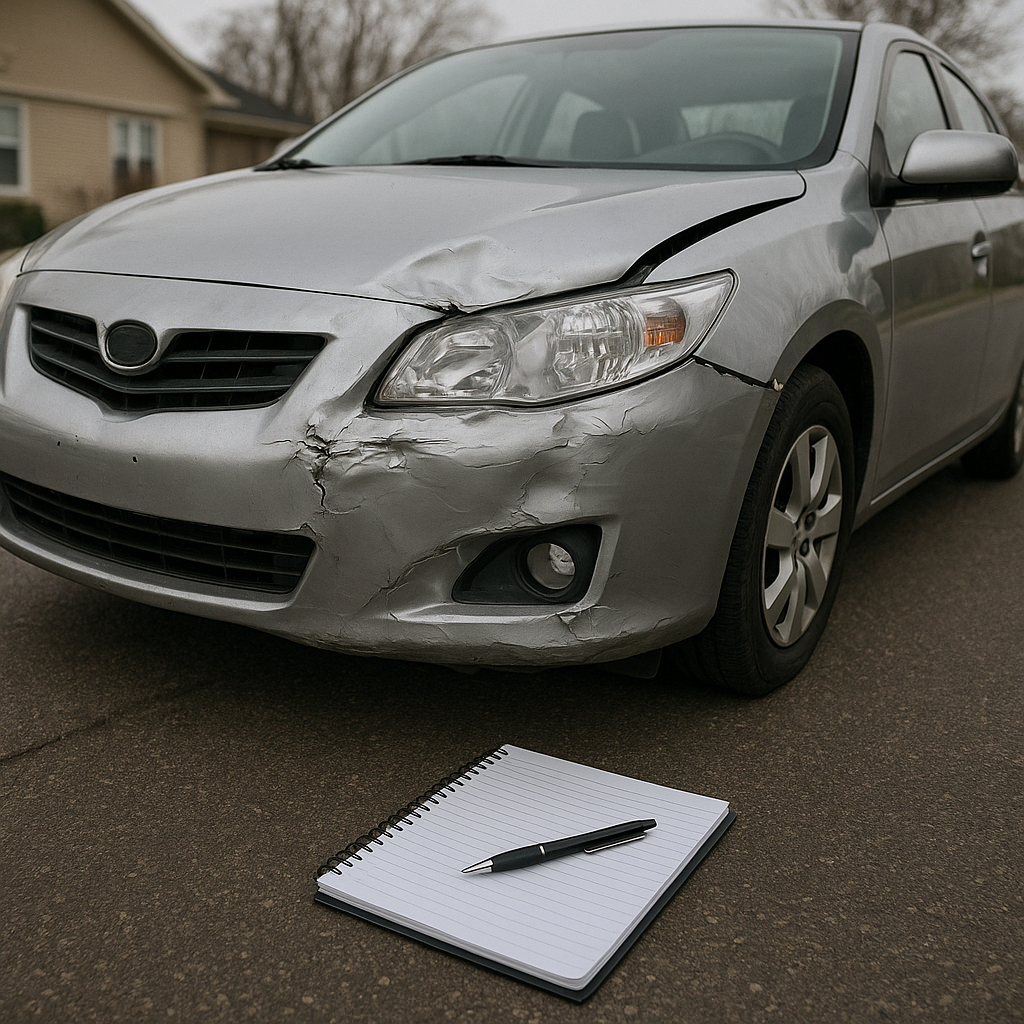
How to Document New Noises After Repairs
Overview of Vehicle Damage Assessment After Truck Accidents
When a truck is involved in an accident, the entire process of assessing and repairing the vehicle can be complex and meticulous. Understanding how to document new noises after repairs is an essential aspect of this process, ensuring that the truck is restored to optimal functioning and safety. Vehicle damage assessment is the first critical step in this procedure. It involves a thorough examination of the truck’s physical and mechanical condition to identify visible and hidden damage.
A comprehensive assessment typically begins with a visual inspection, followed by diagnostic testing using advanced tools to uncover any underlying issues. The goal is to create an accurate appraisal of the damage, which informs the subsequent repair strategy. By carefully documenting every element of this assessment, stakeholders can track the progress and effectiveness of the repairs. Once repairs are made, documenting any new noises becomes vital, as it may indicate further underlying issues that need attention.
Common Repair Stages
Initial Damage Assessment and Disassembly
The initial stage of repairs involves disassembling damaged components to gain a clearer perspective of the truck’s condition. This allows technicians to access and scrutinize vital systems and components such as the engine, transmission, and suspension. Accessing these areas helps to identify both obvious and concealed damages that may contribute to new noises post-repair.
Part Replacement and Repair
Depending on the assessment, parts that are damaged beyond repair are replaced, while others may be repaired. This stage requires meticulous attention to detail and adherence to manufacturer specifications to ensure all parts work cohesively. The quality of work at this stage is paramount, as improper installation or repair can lead to performance issues, including unusual noises after repairs.
Reassembly and Testing
Reassembly is next, carefully putting the truck back together with the freshly repaired or replaced components. Once assembled, thorough testing is conducted, including road tests, to ensure everything operates smoothly. Unfortunately, this is also a stage where new noises can emerge.
Final Quality Checks
The final quality checks involve a detailed inspection to confirm the vehicle is safe and functioning correctly. These checks should identify any minor adjustments needed and detect abnormal sounds that require further investigation. It is critical to document any anomalies or new noises discovered during this phase to address them promptly.
Documentation Tied to Repair Decisions
Accurate documentation is the backbone of a successful repair process, especially when troubleshooting new noises after repairs. This documentation serves multiple purposes, from creating a detailed repair history to providing insights for continuous improvement in repair strategies.
Each step in the repair process should be meticulously recorded, including the initial damages noted, parts replaced or repaired, and adjustments made during reassembly. When new noises arise, detailed documentation helps identify potentially related past repairs, providing technicians with vital context to diagnose issues efficiently.
Photos, written descriptions, audio recordings of noises, and detailed technician notes constitute comprehensive documentation. This methodical approach allows for a clearer understanding of the situation, offering a roadmap for addressing any additional concerns effectively.
How Delays and Disputes Commonly Happen
Despite best efforts, the repair process can face delays and disputes, often stemming from new noises after repairs. These issues can arise for several reasons, including miscommunication, incomplete diagnostics, or parts availability.
Delays frequently occur when there is a lack of clear documentation, leading to misunderstandings between technicians, repair shops, and clients about what repairs have been made and the current state of the vehicle. Furthermore, inconsistencies in the documentation can result in disputes over responsibility and repair efficacy.
To mitigate these challenges, ensuring transparent communication and comprehensive documentation is crucial. Clearly outlining each aspect of the repair process and maintaining open channels with all parties can help reduce misunderstandings and expedite resolution should new issues arise.
A Balanced Conclusion
Documenting new noises after repairs plays a pivotal role in maintaining vehicle integrity and ensuring ongoing safety and performance, especially in trucks. Although the repair process may be fraught with potential delays and disputes, a proactive, methodical approach to documentation can lead to better outcomes. By committing to thorough and accurate record-keeping, stakeholders can navigate these challenges effectively, ensuring repairs meet the highest standards and contribute to the vehicle’s longevity and reliability. Through meticulous attention to detail, the end goal of restoring the truck to a safe and operational state can be achieved, fostering both road safety and client satisfaction.