
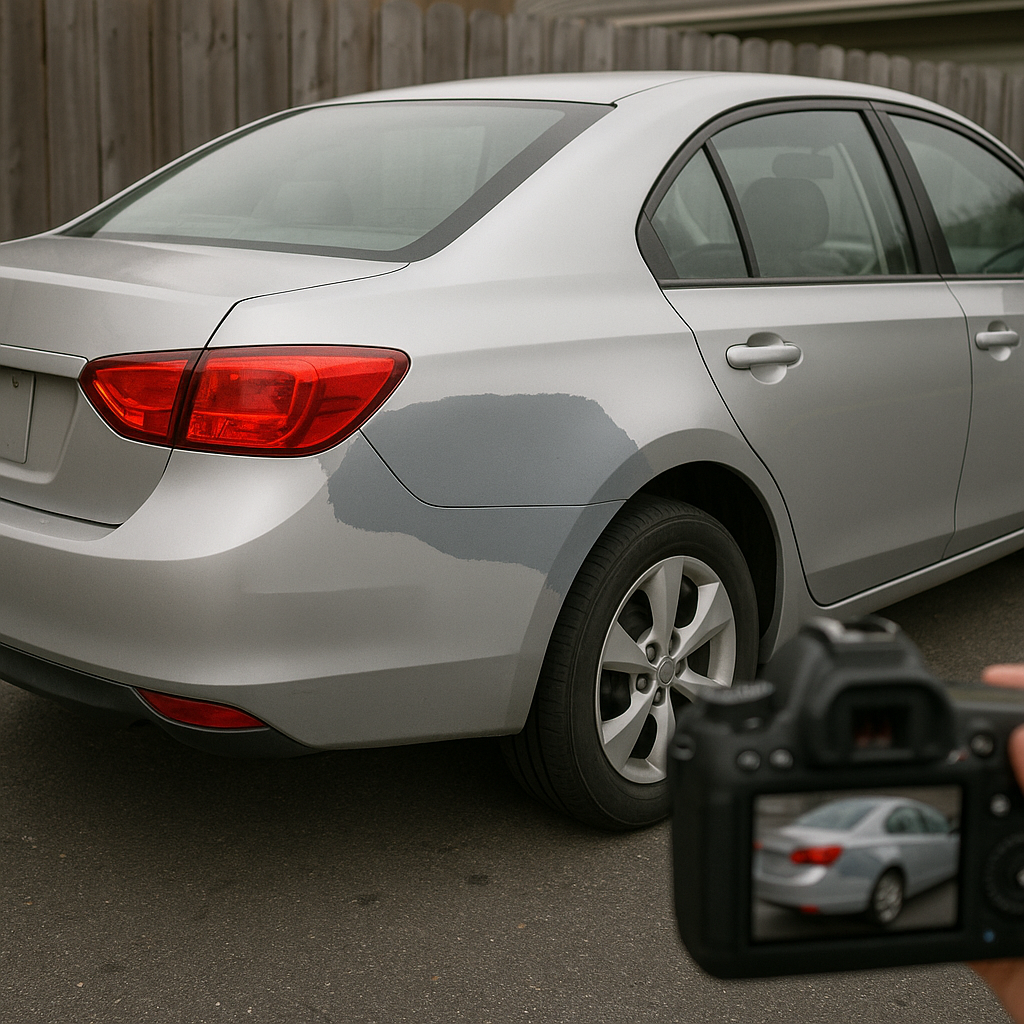
How to Document Paint Mismatch After Repair
Overview of Vehicle Damage Assessment After Truck Accidents
Assessing vehicle damage after a truck accident is a critical process that sets the stage for effective repairs. It involves a detailed examination of all affected areas, ensuring everything from structural integrity to cosmetic aspects, such as paintwork, is addressed. This meticulous appraisal helps in determining the extent of the damage and planning appropriate restoration strategies.
Common Repair Stages
The repair process for trucks involves several stages, including assessment, decision-making, and execution. Understanding these stages is crucial in identifying where paint mismatches may occur.
1. Initial Assessment:
After an accident, a thorough assessment is undertaken to evaluate the damage. This involves checking structural and cosmetic aspects, listing parts that need replacement, and determining the repairs required. Special attention is given to paint damage, as color consistency needs to match the original finish.
2. Repair Planning:
The next step involves planning the repairs based on the assessment. Decisions regarding which parts will be repaired or replaced, alongside the type of paint and technique to be used, are made here. Accurate documentation at this stage helps in aligning the repair process with the needs identified.
3. Execution of Repairs:
This stage involves the actual repair work, where technicians replace parts, fix dents, and readjust frames. The painting process follows, ensuring that the repaired areas match the rest of the vehicle. Any deviation in paint color can greatly affect the truck’s appearance and value.
4. Final Inspection:
Once repairs are completed, a final inspection is conducted to ensure everything aligns with the initial assessment. This is where paint mismatches are often noticed. Properly documenting these discrepancies is vital for addressing any subsequent issues or claims.
Documentation Tied to Repair Decisions
Proper documentation is key throughout the repair process. It not only assists in achieving a satisfactory repair outcome but is essential when it comes to resolving disputes related to paint mismatches.
– Photographic Evidence:
Taking photos before and after repairs helps in visually documenting paint mismatches. Clear, well-lit images provide compelling evidence of any discrepancies.
– Detailed Repair Logs:
Keeping a comprehensive record of all repair activities, including decisions regarding paint type, color codes, and application techniques, is crucial. This log should include dates, times, and responsible personnel.
– Quality Assurance Checks:
Incorporating standardized quality checks can ensure repairs meet desired levels. These checks should be documented meticulously, highlighting any color inconsistencies.
– Customer Communication:
Keeping open lines of communication with the vehicle owner can preempt misunderstandings about repairs and mismatches. Documenting these interactions can support transparency and trust.
How Delays and Disputes Commonly Happen
Delays and disputes often arise in the aftermath of truck repairs, particularly when paint mismatches occur. Mismatches can result from several factors, such as differences in paint batches, application errors, or lighting conditions during assessment.
– Subtleties in Color Matching:
Modern vehicles often use complex paint finishes that require precise matching. Any failure to accurately match these can result in visible mismatches, leading to customer dissatisfaction.
– Inadequate Documentation:
Lack of proper documentation can hinder the resolution process. Without detailed records and evidence, it becomes challenging to ascertain the reasons for mismatches or who is responsible.
– Supplier Delays:
Delays in obtaining the correct paint or components may affect the repair timeline and final results. This can result in rushed jobs and poorer outcomes, including paint inconsistencies.
– Communication Breakdowns:
Ineffective communication between repair shops, suppliers, and vehicle owners can complicate the repair process. Timely and clear updates are essential to prevent misunderstandings and manage expectations.
Overcoming these challenges involves a proactive approach, focusing on meticulous documentation, constant communication, and setting realistic timelines.
Neutral Closing Paragraph
Accurate documentation of paint mismatches after repairs is a key aspect of the vehicle restoration process, especially following truck accidents. By understanding the repair stages and associated documentation needs, stakeholders can ensure repairs are conducted efficiently and transparently. Preparing detailed records and maintaining open communication can aid in managing potential delays and disputes, ultimately facilitating a smooth and satisfactory resolution for all parties involved.