
How to Protect Your Evidence After Leaving the Crash Scene
Accidents happen unexpectedly, and while ensuring everyone’s safety is the top priority, protecting any evidence from the scene is crucial for clarity and resolution in the aftermath. Proper documentation acts as a safeguard, contributing to an accurate account of events. This article explores methods to protect your evidence after leaving the crash scene, offering insights into effective documentation and common challenges in preserving this critical information.
Overview of Accident Scene Documentation
In the moments following a crash, several actions take precedence. Ensuring safety, contacting emergency services, and providing first aid are paramount. However, as circumstances stabilize, gathering evidence becomes vital. Documenting the scene comprehensively allows for a clearer understanding of events and aids in resolving disputes or clarifications that may arise later.
Preserved evidence can play a crucial role in insurance claims, helping to establish facts and prevent any discrepancies. Capturing accurate documentation can also be instrumental in protecting yourself from liability, serving as a reliable record when memories fade or details become contested.
Common Evidence People May Capture
In the rush to document the crash scene, it’s common to focus on a few key elements. Here’s a list of the most frequent types of evidence one might gather:
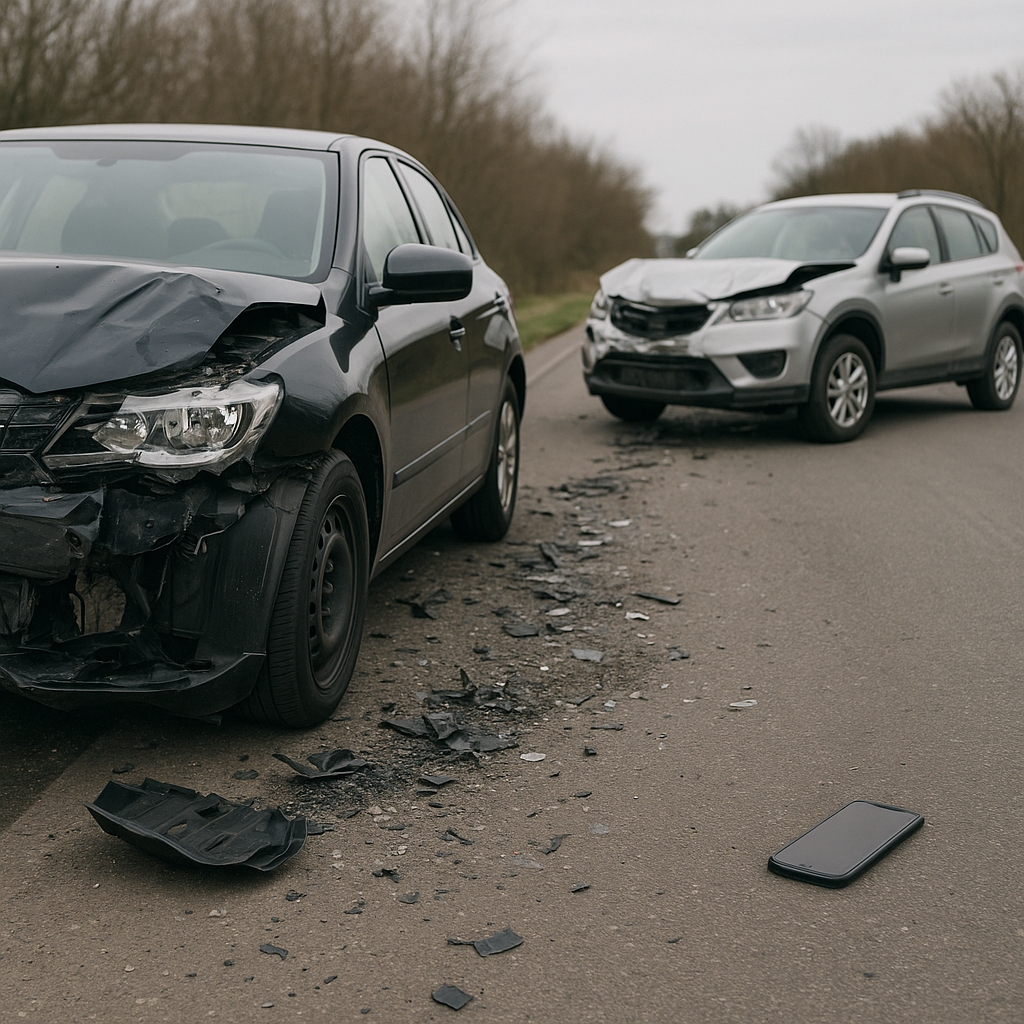
– Photographs: Capturing images of the scene, including vehicle positions, damage, road conditions, and surrounding areas.
– Videos: Recording the environment, events, and even witness accounts can supplement photographic evidence with additional context.
– Witness Statements: Gathering contact information and statements from those nearby who may have observed the incident.
– Police Reports: Obtaining a copy of the official report filed by responding officers.
– Skid Marks and Debris: Noting the location and patterns of skid marks or displaced vehicle parts.
– Environmental Conditions: Documenting weather, lighting, and visibility conditions at the time.
These elements collectively create a comprehensive account of the crash scene, serving as a powerful tool for narratives that recount the incident after leaving the site.
Why Documentation Helps Preserve Clarity
Documentation ensures that information remains intact and unaltered by time or external influences. After a crash, details can become blurred by stress and passage of time, leading to potential misunderstandings. A robust collection of evidence:
– Provides Objectivity: Photographs and videos offer an objective view that can be referenced later, free from the emotional and subjective biases that may arise.
– Supports Consistency: Maintaining a consistent story supported by evidence minimizes contradictions in reports or when clarifications are needed.
– Enhances Credibility: Well-documented evidence boosts the credibility of your claims with insurance providers and other involved parties.
– Facilitates Resolution: Comprehensive evidence aids in smooth and expedient resolutions, providing clear and undeniable facts.
The ability to reference concrete documentation can prevent unnecessary disputes and ensure that all parties adhere to an accurate version of events.
Common Scene Documentation Challenges
Collecting evidence is not without its challenges. In the chaos following a crash, numerous factors can complicate documentation efforts:
– Emotional Distress: The emotional upheaval following an accident can make it difficult to think clearly and methodically about gathering evidence.
– Time Constraints: Urgency and the need to address immediate safety concerns can limit the opportunity to document extensively.
– Physical Limitations: Injuries sustained in the crash might restrict one’s ability to capture evidence effectively.
– Weather Conditions: Adverse weather can physically impede documentation efforts, affecting visibility and equipment functionality.
– Technical Failures: Data loss due to hardware malfunctions or storage issues can jeopardize the evidence you’ve gathered.
Navigating these challenges requires presence of mind and creativity in utilizing available resources and support. In some cases, enlisting the help of bystanders or ensuring backup for digital evidence could mitigate risks of data loss.
Neutral Closing Paragraph
In conclusion, protecting your evidence after leaving the crash scene is a critical step in ensuring clarity and resolution in the aftermath of an accident. While capturing evidence presents various challenges, thorough documentation is a valuable asset that aids in understanding and resolving the complexities of such incidents. Emphasizing clarity, accuracy, and reliability in your documentation efforts will support your ability to navigate post-crash processes with confidence and integrity.