
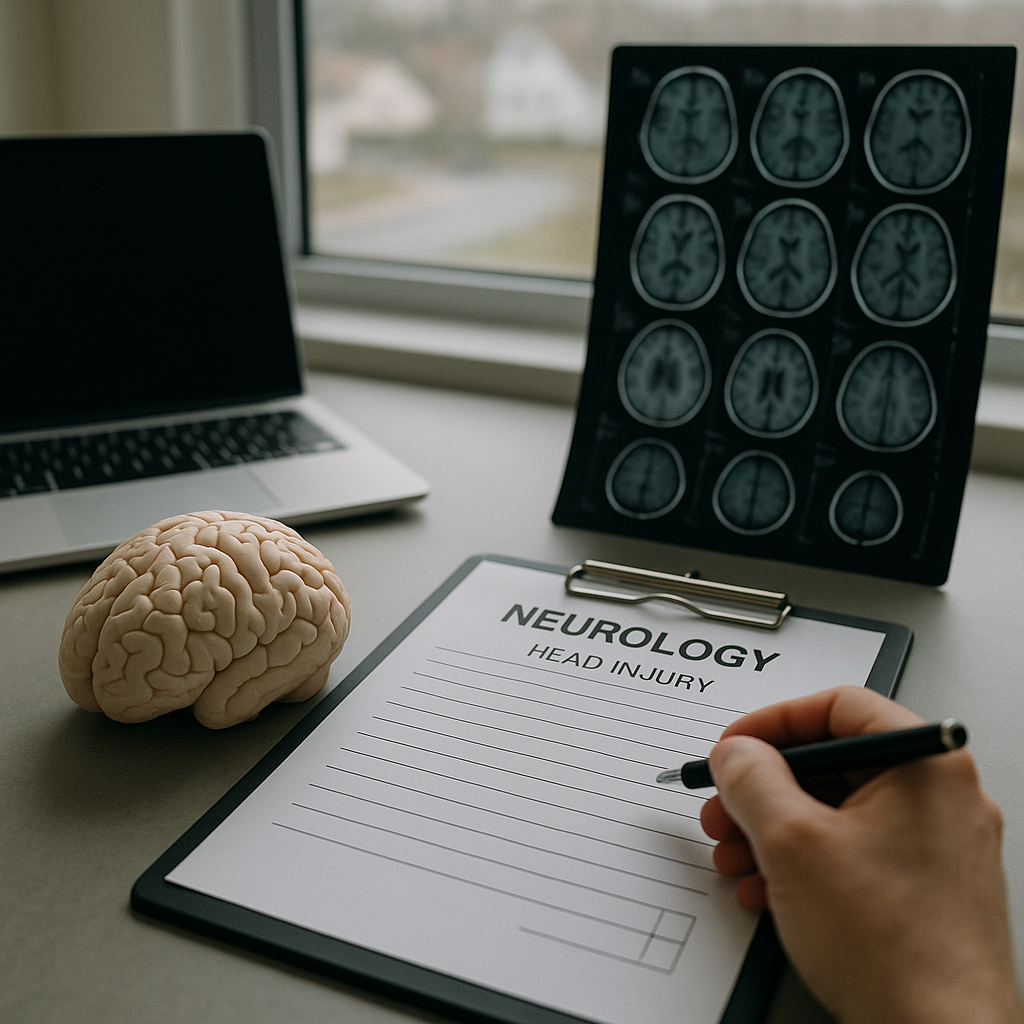
Understanding Neurologist Documentation After Head Injury
After experiencing a head injury, especially following a truck accident, patients often find themselves navigating through a sea of medical documentation. Understanding the nuances of neurologist documentation is crucial for both patients and their families. This article aims to explore the importance of this documentation, the types of records commonly reviewed, and the challenges faced in maintaining accurate medical records.
Overview of Medical Documentation After Truck Accidents
Truck accidents can lead to significant injuries and complex medical diagnoses, with head injuries being among the most serious. Following such an incident, thorough and precise documentation by healthcare professionals is vital.
A neurologist plays a critical role in assessing and documenting any neurological impairments. These medical records serve multiple purposes, from guiding treatment plans to providing evidence in legal matters. However, it’s essential to approach this documentation with a clear understanding of what it entails.
Common Medical Record Types
Neurologist documentation for head injuries typically includes various types of records, each serving a specific function:
1. Initial Assessment Reports: These offer a snapshot of the patient’s condition immediately following the head injury. They detail symptoms, observed deficits, and initial diagnoses.
2. Imaging Studies: MRI and CT scan reports provide visual evidence of any brain injuries or abnormalities. They are indispensable in tracking the progression of recovery or identifying complications.
3. Progress Notes: As the patient’s treatment continues, neurologists document changes in symptoms, responses to therapies, and any new developments in the patient’s condition.
4. Discharge Summaries: When a patient is discharged, a comprehensive summary is created, outlining the treatments administered, recovery status, and recommendations for further treatment or rehabilitation.
These records collectively provide a full narrative of the patient’s neurological health, helping to guide future medical care.
Why Timelines and Consistency Matter
The importance of timelines and consistency in neurologist documentation cannot be overstated. Medical records are most effective when entries are detailed, timely, and consistent.
– Timely Documentation: Prompt recording of medical findings ensures that all observations and treatments are accurately captured. This is crucial in the dynamic environment following a head injury, where the patient’s condition can rapidly change.
– Consistency Across Records: Consistent documentation helps avoid discrepancies that could complicate treatment decisions or affect legal outcomes. It ensures that every healthcare provider involved has access to the same, uniform information.
Consistency and timeliness not only facilitate effective treatment but also preserve the integrity of the documentation, making it a reliable source of information for all stakeholders involved.
Common Documentation Problems People Face
Despite the critical nature of neurologist documentation, patients and families often encounter several challenges:
1. Incomplete Records: There can be gaps in documentation due to missed assessments or overlooked details. This can hinder continuity of care and must be addressed promptly.
2. Complex Medical Jargon: Medical records often contain technical terms that can be difficult for non-medical individuals to understand. This complexity can create barriers in comprehending the patient’s condition and necessary steps for recovery.
3. Data Integration: Inconsistent record-keeping across different healthcare providers can lead to fragmented information. Integrating these records into a cohesive document is essential for holistic treatment.
4. Accessibility Issues: Patients may face difficulties in accessing their medical records, which can delay further treatment planning or legal processes.
Awareness of these common issues allows patients and their advocates to take proactive steps in ensuring that their medical documentation is complete and accessible.
Neutral Closing Paragraph
Understanding neurologist documentation after a head injury is vital in navigating the path to recovery and ensuring comprehensive care. By recognizing the importance of timely, consistent, and accessible documentation, patients and their families can actively participate in their healthcare journey. While challenges like complex medical terminology and fragmented records exist, being informed and engaged can significantly improve the management of medical documentation. As individuals navigate their recovery, having a reliable and cohesive set of medical records will serve as a cornerstone for effective treatment and peace of mind.