
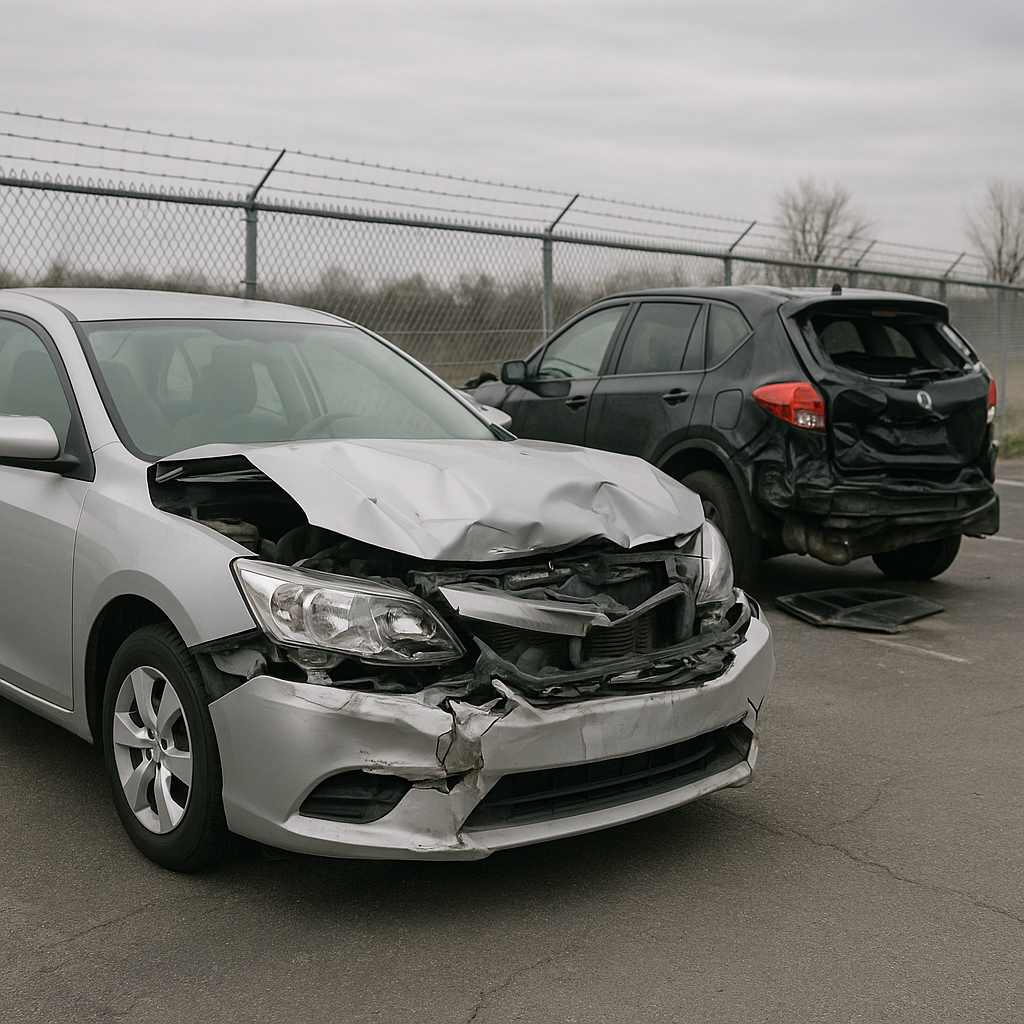
Understanding Vehicle Storage Fees After Accidents
When a vehicle is involved in an accident, it often faces not just physical damage but also a cascade of logistical challenges as it moves from the crash site to either a repair setting or a final resting place. One key aspect of these post-accident procedures is the incurrence of vehicle storage fees. This article aims to demystify the nature of these fees, helping you understand their prevalence and impact.
Overview of Vehicle Damage Assessment After Truck Accidents
In the immediate aftermath of a truck accident, the priority is ensuring the safety of all involved parties. Once this is secured, focus shifts to assessing vehicle damage. This process serves as a foundation for understanding why vehicle storage fees may arise.
When a truck is involved in an accident, a detailed damage assessment is conducted. This involves a range of technical evaluations to determine the extent of the damage and the necessary repairs. This assessment affects storage costs, mainly because the longer it takes to complete, the more extended the vehicle’s stay at a storage facility becomes.
Common Repair Stages
Before delving into storage fees, understanding the repair stages that often precede or accompany them is helpful. Initial assessments are followed by specialized inspections, which may include mechanical, structural, and cosmetic evaluations. Each stage provides clarity on what needs to be done to restore the vehicle to a functional state.
1. Initial Assessment: Immediately after the accident, a preliminary evaluation is conducted to understand visible damage. This step is critical for deciding whether the vehicle can be driven safely or requires towing.
2. Mechanical Inspection: Technicians examine the internal parts, like the engine, transmission, and other vital systems. This detailed check identifies hidden damages that could impact the vehicle’s performance.
3. Structural and Cosmetic Evaluation: Beyond functionality, the aesthetic and structural integrity of the vehicle is inspected. Parts such as the frame, body panels, and paint may need attention.
Documentation Tied to Repair Decisions
Throughout the assessment and repair stages, documentation is meticulously maintained. Every inspection result, repair estimate, and part replacement gets recorded. This documentation not only informs repair decisions but also impacts the timeline, influencing storage durations and consequent fees.
Accurate documentation ensures transparent communication between all stakeholders, from repair technicians and insurance adjustors to vehicle owners. Processing delays, which may lead to extended storage time, are often caused by incomplete or disputed documentation.
How Delays and Disputes Commonly Happen
Vehicle storage fees after an accident primarily arise from delays and disputes during the repair and insurance assessment process. Such delays can stem from several factors:
– Insurance Adjustments: Insurance adjustors play a crucial role in approving repair costs. Any delay in their assessment can halt repair progress, resulting in prolonged storage times.
– Parts Availability: Occasionally, specific parts required for repair are not readily available. This can lead to significant delays, extending the storage period while waiting for delivery.
– Repair Facility Capacity: The capacity and workload of repair shops can influence how swiftly they commence and complete repairs. Overburdened facilities may extend storage durations unintentionally.
– Disagreement Over Repair Costs: Sometimes, disagreements between the vehicle owner and the insurance company regarding repair costs or even repair necessity can halt the process, lengthening the storage period.
Understanding these potential conflicts can shed light on the pathways leading to higher vehicle storage fees after accidents. Be aware that efficient management and clear communication with all parties involved can significantly minimize such delays.
Neutral Closing Paragraph
Vehicle storage fees after an accident are an essential consideration for anyone seeking to navigate the aftermath of a collision. They are intertwined with the assessment processes, repair stages, and potential disputes that might arise between various stakeholders. By understanding the trajectory from damage assessment to repair, and the factors that can lead to delays, vehicle owners and other parties can better anticipate associated fees. Proactive management and communication remain pivotal in minimizing the time a vehicle spends in storage, thereby controlling the costs that ensue. Whether it is through timely decision-making or ensuring all necessary documentation is in order, a well-informed approach can ease the path through this complex scenario.