
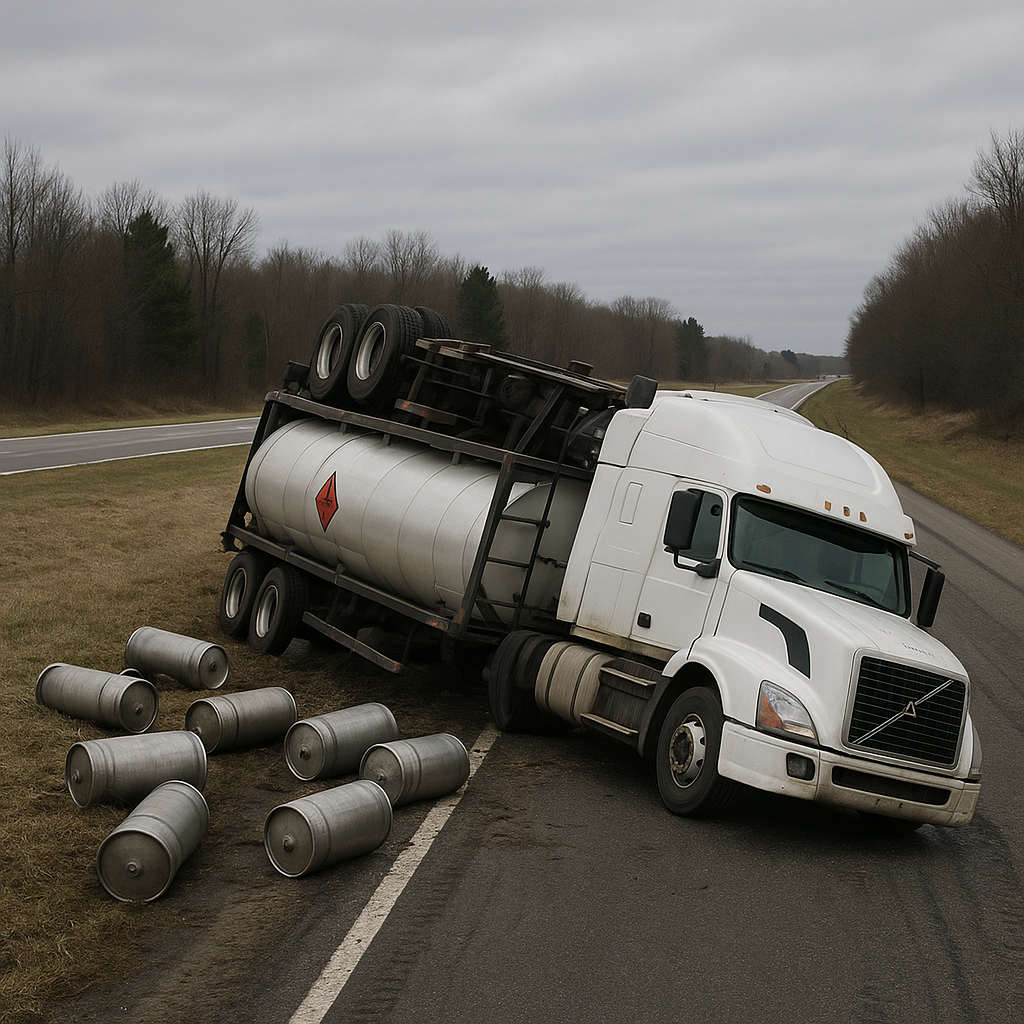
What if the Semi Truck Was Carrying Hazardous Materials?
Why This Question Comes Up Immediately
Whenever news breaks about a semi truck accident, the first question that often arises is whether the truck was carrying hazardous materials. This concern is amplified by the potential risks these substances can pose to public safety, the environment, and emergency responders. Understanding the implications and procedures involved when hazardous materials are part of the cargo can help demystify the immediate fears and ensure clarity on the next steps.
Clear Neutral Explanation
When a semi truck is carrying hazardous materials, it is subject to strict regulations designed to mitigate risks associated with transportation. These materials, known as “hazmat,” can include a wide variety of substances, such as flammable liquids, explosives, corrosives, and toxic chemicals. They are categorized and labeled according to their potential hazards. The transportation of these materials is governed by regulations like the Hazardous Materials Regulations (HMR) in the United States, which provide guidelines on packaging, labeling, and routing to ensure safety.
In the event of an accident involving a semi truck carrying hazardous materials, several protocols are immediately triggered. Local emergency agencies, including fire departments and specialized hazmat teams, are typically alerted to assess and manage the situation. Their primary goals are to contain any spill or release of hazardous substances, minimize exposure to the public, and protect the environment. These teams work to establish a safe perimeter and utilize specialized equipment to address any risks. Public safety announcements and possible evacuations might be issued depending on the severity of the situation.
Helpful Context and Expectations
Understanding the context and expectations surrounding such incidents helps alleviate panic. Firstly, not every accident involving a semi truck with hazardous materials results in a spill or public danger. Many materials are securely contained within robust containers designed to withstand impact. Emergency responders are highly trained to handle different types of hazardous materials and follow established incident command protocols to manage the situation efficiently.
Community awareness is also a key factor. Local authorities often conduct emergency drills and provide information on how residents should respond in case of such incidents. It is important to stay informed about local emergency protocols and heed official instructions during an emergency, whether it involves precautionary evacuations or shelter-in-place advisories.
Common Misconceptions
One common misconception is that any accident with a semi truck carrying hazardous materials is catastrophic. In reality, incidents vary widely in severity, and many are managed without significant harm to people or the environment. The construction of containers used for hazardous materials is highly regulated to resist damage and prevent leaks under normal accident conditions.
Another misconception is that all hazardous materials are equally dangerous. In truth, they are classified into nine hazard classes, each representing a specific type of risk. For example, the danger of flammable liquids is different from that of radioactive materials. Understanding these distinctions is crucial for appropriate response and public communication.
Closing Paragraph
When a semi truck carrying hazardous materials is involved in an incident, it naturally raises concerns due to the potential risks involved. However, comprehensive regulations and well-trained emergency responders work to mitigate these dangers swiftly and effectively. By understanding what protocols are in place and debunking common misconceptions, the public can better grasp the situation and respond calmly. Staying informed, prepared, and adhering to local emergency instructions are essential steps in ensuring safety and minimizing the impact of any such event.