
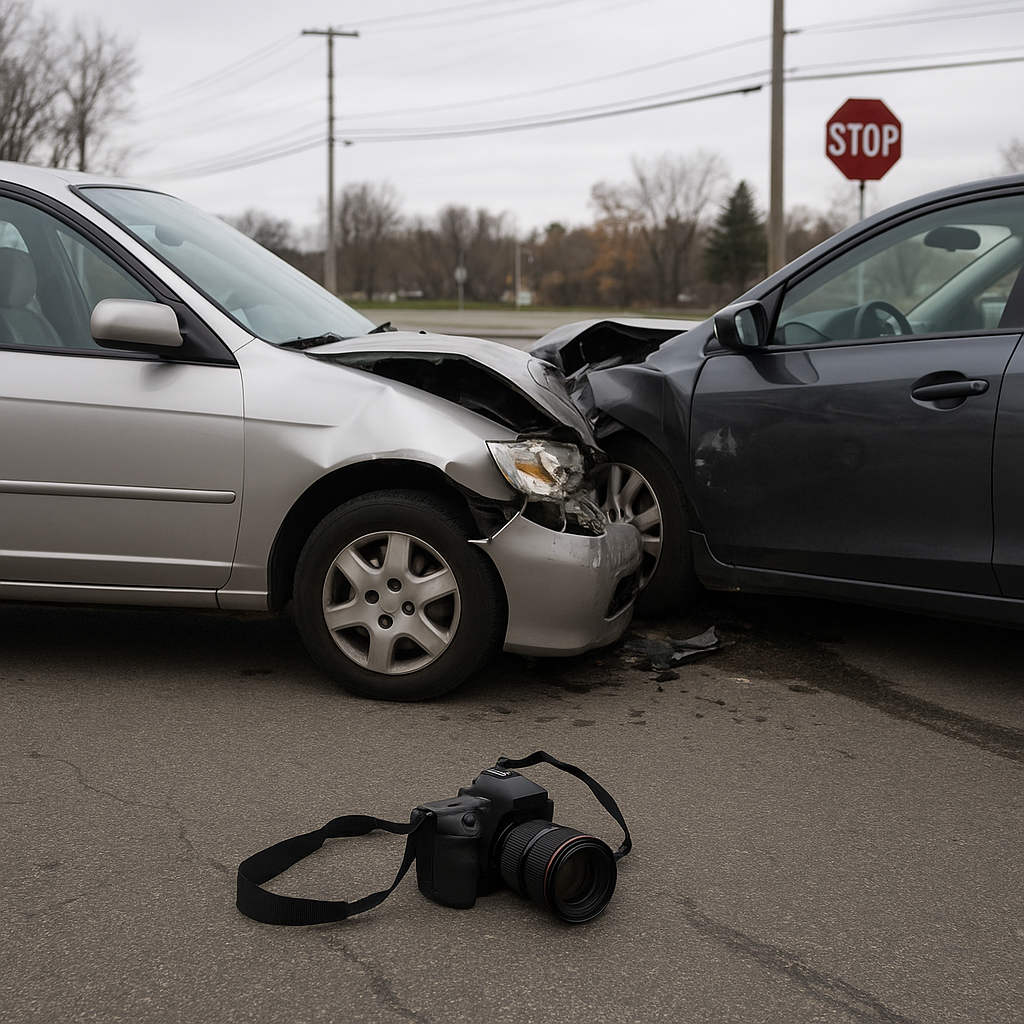
What to Do If You Cannot Take Photos at the Scene
Overview of Accident Scene Documentation
Accident scenes can be overwhelming and chaotic, often leaving those involved feeling anxious and unsure of how to proceed. Documenting the scene is crucial for a multitude of reasons, including providing clarity, supporting insurance claims, and preserving memories of tangible evidence. Yet, what happens when you’re unable to snap photos at the scene? Whether due to immediate concerns, environmental limitations, or the absence of a recording device, understanding alternate approaches to documentation can make all the difference in capturing essential information and protecting your claims.
Common Evidence People May Capture
Typically, those at the scene will aim to gather the following types of evidence:
– Photographs: The most direct form of documentation, capturing visible injuries, vehicle damage, road conditions, and surrounding areas.
– Videos: Moving images may offer a dynamic perspective of the scene, showing interactions and movements that static photos cannot.
– Witness Statements: Collecting verbal accounts from those nearby can shed light on how the incident occurred.
– Notes: Detailed written accounts can provide insight into weather conditions, time of day, and other relevant factors.
– Diagrams: Simple sketches of the scene, including the positions of vehicles and objects, can serve as useful visual aids.
However, there are situations where taking photos is not an option. Understanding why documentation remains vital serves as a foundation for exploring alternative approaches.
Why Documentation Helps Preserve Clarity
Documenting an accident scene is essential because it serves to capture the specifics of an incident, allowing for an objective recount of events when memories may falter. Time can distort or erase details, making robust documentation invaluable for affected parties, insurers, and other stakeholders. By creating a clear and accurate portrayal of the scene, discrepancies can be minimized, and resolutions can be pursued with confidence.
Documentation helps accomplish the following:
– Facilitates Communication: Offers a structured narrative for discussing the incident with insurers, legal representatives, and others involved.
– Assists in Determining Fault: Establishes a clearer picture of the events, aiding authorities in pinpointing the specifics.
– Supports Insurance Claims: Serves as proof to back claims for damages, ensuring rightful compensation.
– Preserves Your Perspective: Ensures that your observations and experiences are maintained accurately, safeguarding your rights and interests.
Common Scene Documentation Challenges
While the benefits of documentation are evident, several challenges may prevent someone from taking photos at an accident scene:
1. Lack of Equipment: The most straightforward reason is the absence of a device capable of capturing photos. This could be due to a forgotten phone or a non-functioning camera.
2. Immediate Safety Concerns: Safety should always come first, and in some cases, conditions may be too dangerous to stop and take photos. Attention must be on immediate medical needs or moving to a safe location.
3. Environmental Conditions: Poor lighting, inclement weather, or physical obstructions can hinder the ability to capture clear photos.
4. Legal or Privacy Restrictions: Some scenes may be sensitive or legally restricted from being photographed. Additionally, individuals involved may have privacy concerns that must be respected.
5. Emotional Distress: The stress of being involved in an accident may cloud judgment or make documentation efforts feel overwhelming or secondary.
Understanding these challenges emphasizes the importance of seeking alternative forms of documentation. Individuals can focus on collecting other types of evidence to substantiate their accounts and claims.
Neutral Closing Paragraph
When faced with a situation where taking photos at a scene is not possible, it’s important to remain composed and explore alternative documentation methods. Prioritizing safety and leveraging other means of gathering information can provide a comprehensive and reliable account of events. Whether through notes, witness statements, or other evidence, a diligent approach to documentation will serve to preserve clarity and protect interests. By understanding the significance of accurately capturing the scene and navigating potential challenges, individuals can confidently assert their perspective and support their claims effectively.