
What to Do if Your Car Will Not Start After a Crash
Overview of Vehicle Damage Assessment After Truck Accidents
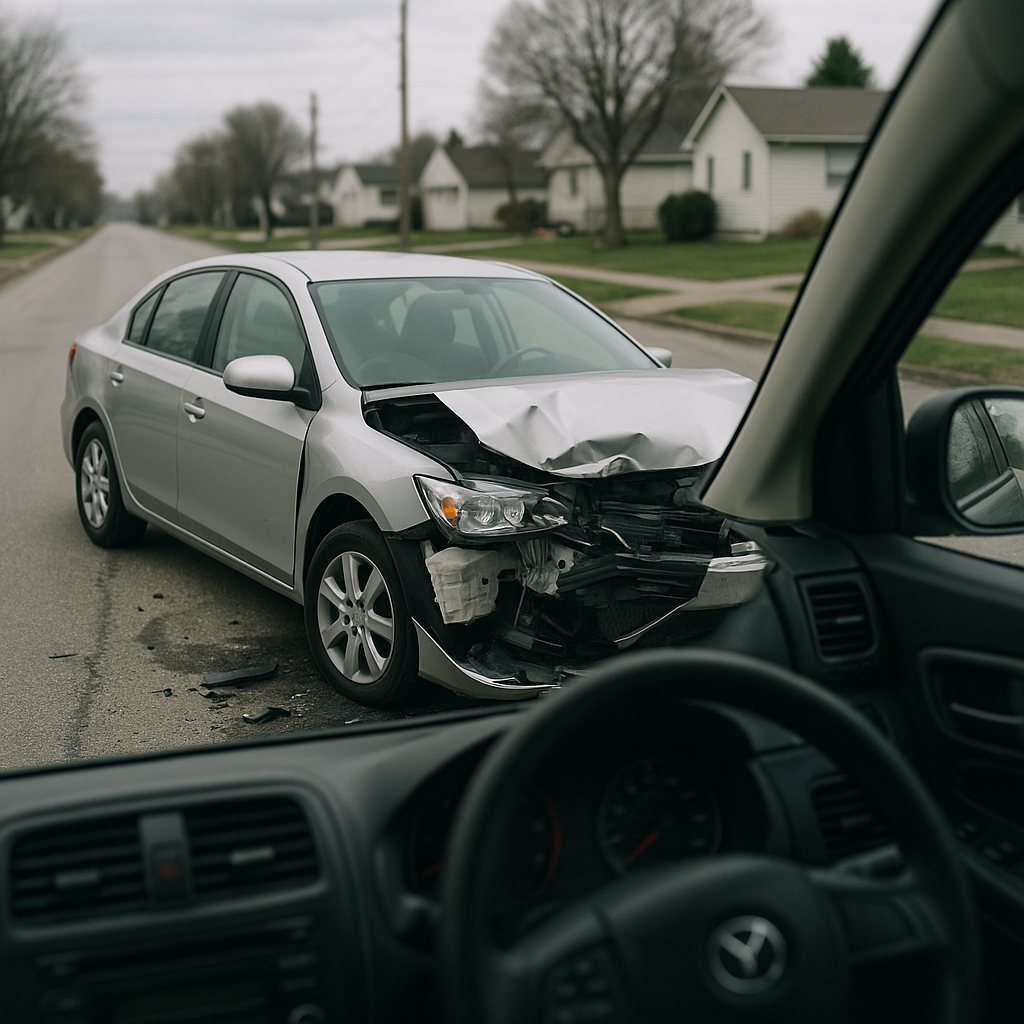
Experiencing a car crash is often stressful, particularly when your car will not start afterward. Understanding how to handle this situation hinges on an effective damage assessment. After ensuring that all parties are safe and have received necessary medical attention, it’s crucial to evaluate your vehicle’s condition to understand why it may not be starting.
Vehicle damage assessment after a crash involves a systematic inspection of both visible and hidden damage. Initially, assess the exterior for obvious issues like shattered glass, bent frames, or damaged bumpers. These elements often indicate underlying mechanical problems. Internally, the engine compartment, battery, and electrical systems need to be checked for failures, leaks, or disconnections that could prevent the car from starting.
It’s vital to look for signs of fluid leaks, which might suggest damage to the radiator or engine parts. Additionally, listen for any irregular noises, such as grinding or clicking, when attempting to start the car. These could help pinpoint specific mechanical issues. An accurate assessment not only aids in diagnosing immediate problems but also supports a smoother repair process.
Common Repair Stages
Once an initial damage assessment is completed, the car enters several repair stages, each addressing specific issues to determine the next steps in returning it to a working condition.
1. Initial Tow and Inspection: If your car will not start after a crash, the first step is often transporting it to a repair shop or mechanic’s garage. Professional mechanics conduct a thorough inspection to identify all damage. This involves connecting the car to diagnostic tools to pinpoint electrical or mechanical failures not visible to the naked eye.
2. Estimate and Planning: With a better understanding of the damage, a detailed repair plan is formulated. This includes estimating the cost and time required. Mechanics prioritize repairing essential components first, such as the engine, transmission, or electrical systems, ensuring the car can be operational.
3. Part Replacement and Repair: Depending on the findings, specific parts might need replacing. For instance, if the battery or alternator is damaged, these must be repaired or replaced to address the starting issue. Any structural damage, such as a bent frame or broken axles, also necessitates repair.
4. Testing and Fine-tuning: Once repairs are complete, the vehicle undergoes a series of tests to ensure all systems are functioning properly. This includes starting the engine, checking the transmission, testing brakes, and assessing electrical components. Additional adjustments may be made based on these tests.
5. Final Quality Check: A comprehensive quality check ensures that the vehicle meets safety and operational standards. This ensures confidence that all repairs were successful, and the vehicle is safe to return to the road.
Documentation Tied to Repair Decisions
Proper documentation is critical throughout the repair process. This documentation serves several purposes, from keeping track of repairs to facilitating clear communication with service providers.
– Initial Assessment Reports: These documents detail the initial findings post-crash and provide insights into the immediate issues preventing the car from starting.
– Repair Estimates and Invoices: Keeping records of all repair estimates and final invoices ensures transparency and assists in managing expenses. They provide a breakdown of parts, labor, and timelines, which are crucial for understanding the scope of work completed.
– Parts Documentation: When parts are replaced, it’s important to document the source and specifications of new parts. This guarantees compatibility and assists in future maintenance.
Maintaining this documentation supports effective communication with repair shops and may help if complications arise during or after the repair process.
How Delays and Disputes Commonly Happen
Delays and disputes are common hurdles in the car repair process following an accident, often resulting from several factors:
– Parts Availability: The unavailability of specific parts can significantly delay repairs. Vehicles requiring rare or specialized parts may face extended wait times, affecting the overall timeline for completing repairs.
– Diagnostic Errors: Inaccurate initial assessments can lead to unnecessary or incorrect repairs, causing delays. Ensuring that diagnostics are carried out thoroughly and correctly is key to avoiding such setbacks.
– Communication Issues: Misunderstandings between car owners and repair shops can create friction. It’s important to maintain open lines of communication and clarify misunderstandings promptly to avoid unnecessary delays.
– Prioritization Conflicts: Repair shops juggling multiple jobs may not prioritize a particular vehicle as expected. Clear communication about timelines and expectations at the outset can help manage potential disputes over priorities.
Conclusion
Understanding what to do when your car will not start after a crash begins with a thorough assessment of the damage, followed by systematic repair stages and diligent documentation. While delays and disputes can arise, they are often manageable through careful planning and clear communication. Navigating through these challenges with patience and informed decision-making can help ensure your car’s safe return to the road.