
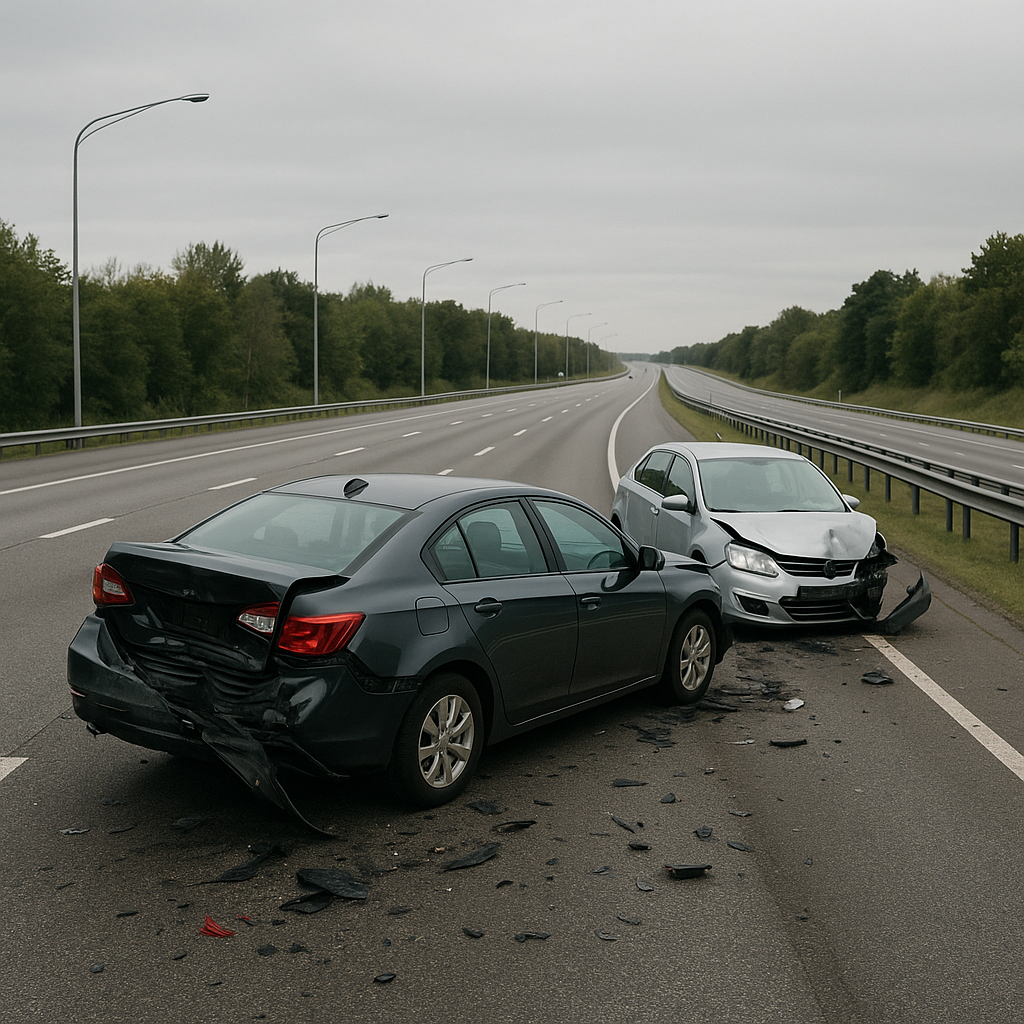
Highway Crash First Day: What to Expect and How to React
Highway crash on the first day of your commute can be an unnerving experience. Whether you’re a seasoned driver or someone new behind the wheel, knowing what to expect and how to manage the situation can significantly affect your safety and peace of mind.
Immediate Reactions to a Highway Crash
When the event unfolds, your first instinct might be shock or panic. It’s crucial, however, to stay as calm and composed as possible. The initial moments after a collision are often filled with confusion, but maintaining clarity is essential. Here’s what you can expect:
1. Shock and Stress: A rush of adrenaline is common. Your body prepares for a “fight or flight” response, which can obscure your judgment.
2. Physical and Emotional Reactions: You might feel shaky, nervous, or even disoriented. It’s vital to take a few deep breaths to steady yourself.
3. Assessing Safety: The first course of action should be ensuring everyone’s safety. If the vehicles are in a dangerous spot, and it’s safe to do so, move them to the shoulder or another secure area away from traffic.
Important Steps After a Highway Crash
Your reactions in the moments following the incident can impact subsequent proceedings, both legally and practically. Here’s what you need to do:
1. Check for Injuries: Prioritize checking yourself and passengers for any injuries. If anyone is hurt, call emergency services immediately. Avoid moving anyone with serious injuries unless they’re in immediate danger.
2. Notify Authorities: Contact the police, no matter the severity of the accident. A legal report may be necessary for insurance claims.
3. Gather Information: Exchange insurance and contact information with other drivers involved. Document the scene through photos, taking note of damage, positions of vehicles, and any relevant road conditions.
4. Reach Out for Help: If your car is inoperable, you may need a tow. Having contact information for roadside assistance services can be a lifesaver.
Dealing with Traffic and Witnesses
Highways are bustling with activity. If the crash occurs during rush hours, here’s what to consider:
1. Traffic Management: Stay aware of your surroundings to avoid additional accidents. Use hazard lights to warn other drivers of the situation.
2. Witness Statements: If there are eyewitnesses, kindly ask for their contact details. Their accounts might be beneficial for your insurance claims or legal matters.
3. Cooperate with First Responders: Once authorities arrive, provide them with as much information as possible. Their role is to ensure safety and manage the accident scene efficiently.
Mental and Emotional Recovery
While physical recovery from a highway crash is often straightforward, the emotional aftermath can linger. It’s essential to address these feelings head-on:
1. Relieving Stress: Talk to friends, family, or professionals about the incident. Sharing your experience can alleviate emotional burdens.
2. Practical Reflection: Observing what occurred can aid in preventing future incidents. Reflect on the event to understand how to improve driving habits.
3. Professional Support: Sometimes, crashes can lead to anxiety or stress disorders. Mental health support is crucial if you find it challenging to cope.
Preparing for Future Journeys
Anticipating the unexpected is part of being a responsible driver. While the first day of dealing with the crash may be overwhelming, use this experience to bolster your preparedness:
1. Emergency Kits: Always keep a well-stocked emergency kit in your vehicle, containing essentials like flares, a first-aid kit, and contact numbers for emergency services.
2. Insurance Awareness: Ensure your insurance policy is up-to-date and understand what it covers in case of an accident.
3. Regular Maintenance: Routine checks on your vehicle’s health can prevent accidents caused by mechanical failures.
Encountering a highway crash can be daunting, especially on your first day of experiencing such an event. With the right preparation and knowledge, you can navigate through the aftermath with confidence, ensuring safety and a return to normalcy.