
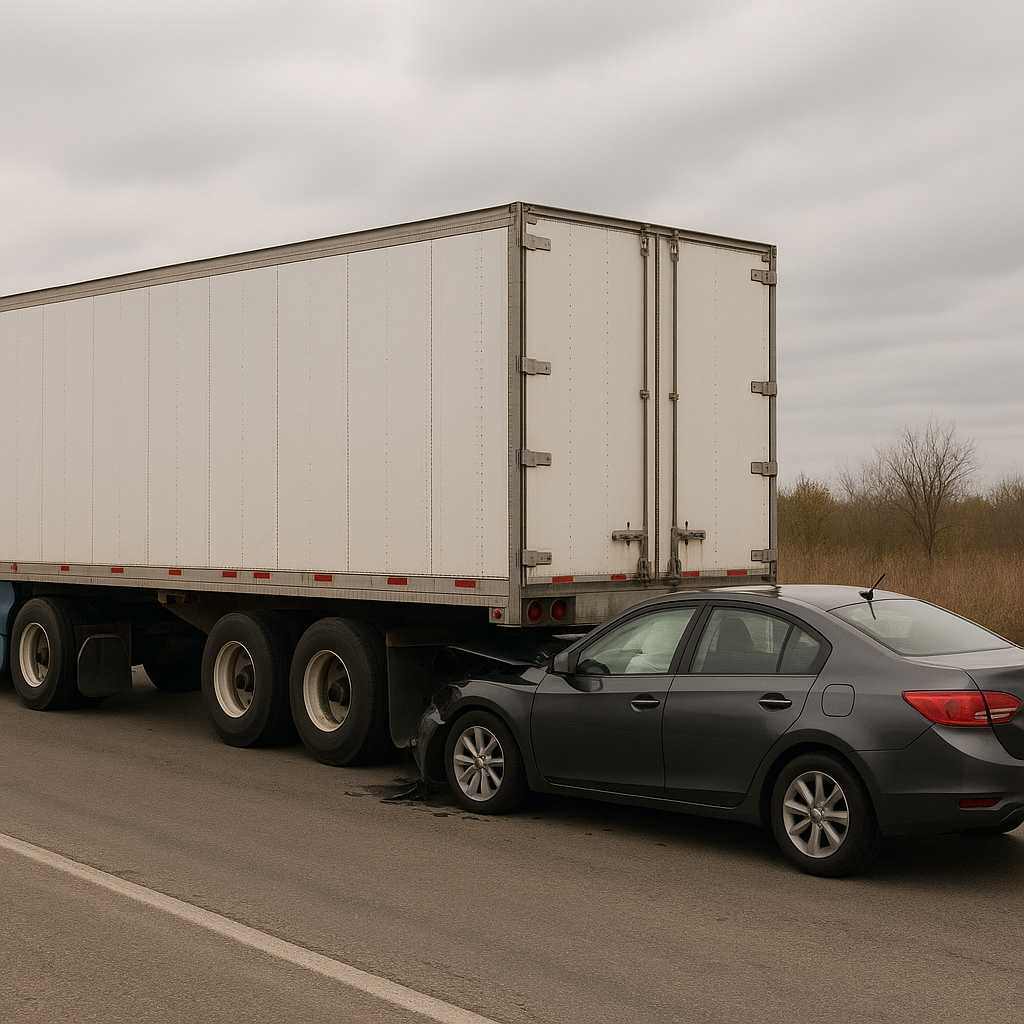
What to Expect if the Truck Driver Gives Limited Information
Truck driver limited info situations can be perplexing for anyone involved in logistics, legal cases, or even regular road emergencies. When a truck driver provides scarce information, it often leaves other parties in a cloud of uncertainty. In this article, we’ll explore what it means when a truck driver shares limited details, the potential reasons behind it, and how to handle such scenarios effectively.
Understanding the Challenges
Having incomplete data from a truck driver can present several challenges. Without adequate information, it becomes cumbersome to move forward with claims, coordinate logistics, or resolve disputes. This can lead to delays, miscommunication, and if not handled properly, increased costs for businesses.
In legal contexts, limited information can mean challenges in forming a clear picture of an incident. This could make it difficult to assess liability or secure the rightful compensation for damages. For logistics managers, it could mean stalled goods and interrupted supply chains.
Reasons for Truck Drivers Providing Limited Information
Understanding why a truck driver might offer limited info is essential for tackling the issue. Here are some common reasons:
1. Lack of Knowledge: Sometimes, drivers genuinely lack information about certain queries. They might not be privy to all the details of the cargo or the route.
2. Communication Barriers: Language differences, poor communication skills, or simply not having the right contact methods can result in limited details being shared.
3. Company Policies: Some logistics companies have strict protocols about divulging particular pieces of information, leading drivers to withhold certain details.
4. Personal Privacy Concerns: Drivers may sometimes be cautious about sharing personal details for fear of privacy violations or identity theft.
5. Inexperience or Confusion: New or untrained drivers may not understand what information is crucial and thus fail to share complete details.
Coping Strategies When Faced with Limited Information
When faced with truck driver limited info, it’s important to have a strategic approach to manage the situation effectively.
Establish Clear Communication Channels
Creating an open and efficient communication line with the trucking company or the driver is essential. This may involve setting up dedicated contact points, like a hotline or a 24/7 customer service line, to ensure that you can get more details when needed.
Utilize Technology
Modern technology can help bridge the information gap. GPS tracking, electronic logging devices, and other telematics systems can provide real-time updates on truck locations, thus compensating for any lack of verbal information from the driver.
Verify and Document
Always attempt to verify the information you receive. Keep a thorough record of all communications and document any issues arising from incomplete data. This helps in resolving disputes and can be crucial evidence if legal action becomes necessary.
Training and Support
If the issue stems from the driver’s side, request that the logistics provider offers additional training to their drivers. Comprehensive support and training systems can empower drivers to share better, more precise information.
Mitigating Risks and Ensuring Efficiency
When it comes to truck driver limited info, risk mitigation is key. Having contingency plans in place, such as alternative suppliers or routes, can help prevent operational disruptions. Additionally, fostering strong relationships within the supply chain can encourage more transparent communication at all levels.
Concluding Thoughts
In summary, when a truck driver provides limited information, it is crucial to understand the underlying reasons and strategize accordingly. Whether it’s through enhanced communication, the use of technology, or improved training programs, overcoming these challenges is possible with a proactive approach.
By preparing and adapting to these challenges, businesses can maintain strong operations even in the face of uncertainty. This not only aids in handling immediate issues but also builds a more resilient supply chain for future endeavors.