
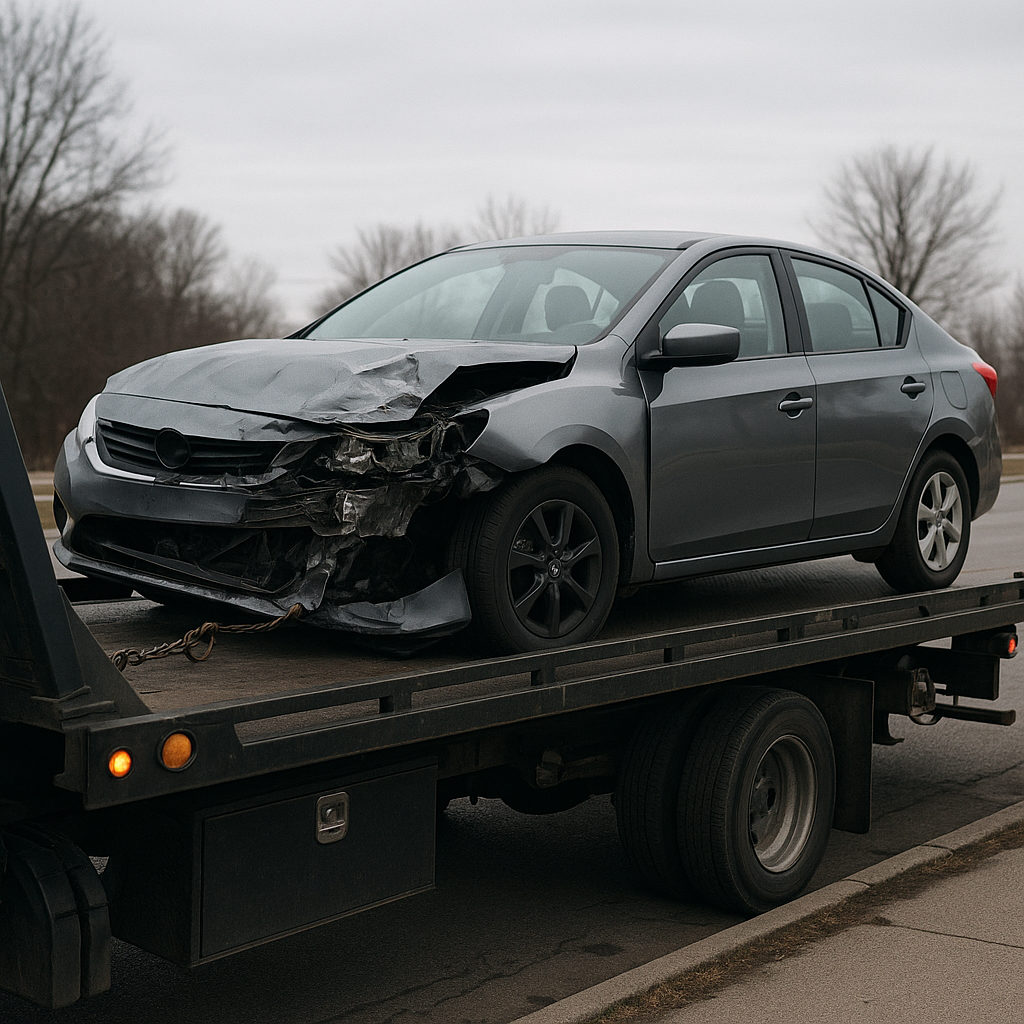
What to Expect When Your Vehicle Is Towed After a Crash
Experiencing a vehicle towed after a crash can be an overwhelming ordeal. Whether it’s a minor fender bender or a significant collision, understanding what to expect during the towing process can alleviate some of the stress involved. Here’s a comprehensive guide to help you navigate what follows when your vehicle is towed after an incident.
Immediate Steps After the Crash
Immediately following a crash, ensuring the safety of everyone involved is paramount. Once you’ve confirmed the safety of drivers and passengers, you’ll need to contact local authorities. Police will often oversee the initial assessment and can help arrange for your vehicle to be towed if necessary. Exchange information with all parties involved, and document the scene with photos if possible.
The Role of Emergency Services
When emergency services arrive, they evaluate the situation and decide if the vehicle must be removed from the site. In cases where the car is obstructing traffic or is deemed unsafe, towing is likely inevitable. Emergency responders may contact a partnered towing service to expedite vehicle removal, reducing hazards for other motorists.
Understanding the Towing Process
Once it’s determined that your vehicle needs towing, there are several key points to understand:
– Choice of Towing Company: Often, emergency personnel will choose a towing service if you don’t have a preference. However, if you have a preferred service, let them know promptly.
– Tow Authorization and Paperwork: You may need to authorize the tow by signing paperwork. This paperwork can include details about towing fees, liability releases, and where the vehicle will be taken.
– Location of Towed Vehicle: Typically, towed vehicles are taken to a storage facility or repair shop. Acquire the address and contact information of this location so you can make further arrangements.
Financial Considerations
Towing fees can be a concern for vehicle owners. It’s important to recognize that costs can vary based on several factors:
– Distance: The distance to the storage or repair facility can influence the total fee.
– Type of Vehicle: Larger vehicles or those requiring special equipment for towing may incur higher costs.
– Storage Fees: If your vehicle is stored for an extended period, expect additional charges.
Contact your insurance provider as soon as possible to discuss coverage for towing and storage costs. Many policies include provisions for these expenses, alleviating some of the financial burden.
Insurance and Liability
Insurance plays a crucial role after an accident, especially when towing is involved. Notify your insurer promptly and provide all necessary details about the crash and the towing. They will guide you through the claims process, which might include sending an adjuster to evaluate the damages.
– Repair Decisions: After consulting with your insurance provider, you’ll need to decide whether the vehicle will be repaired or declared a total loss. If repairs are required, your insurance may suggest approved repair shops or allow you to choose your own.
– Rental Coverage: Depending on your policy, coverage for rental vehicles may be available while your car is being repaired, allowing you to maintain mobility without additional costs.
Legal Considerations
In some cases, legal issues can arise from a vehicle towed after a crash, such as disputes over fault or compensation. Legal counsel may be necessary to navigate these complexities, especially if there are discrepancies in how the incident is being handled.
Preventative Measures for the Future
While accidents can’t always be prevented, being prepared can make the aftermath smoother:
– Roadside Assistance: Enroll in a roadside assistance program that provides towing services as part of their package.
– Insurance Updates: Regularly review and update your insurance policy to ensure comprehensive coverage for towing and related expenses.
– Emergency Kits: Keep an emergency kit in your vehicle, including essential contact numbers, medical supplies, and items like flares or cones to ensure safety and communication post-crash.
In conclusion, having your vehicle towed after a crash involves a series of steps, from dealing with immediate safety concerns to navigating towing logistics and insurance processes. Being informed equips you to handle the situation efficiently, allowing you to focus on recovery and moving forward.