
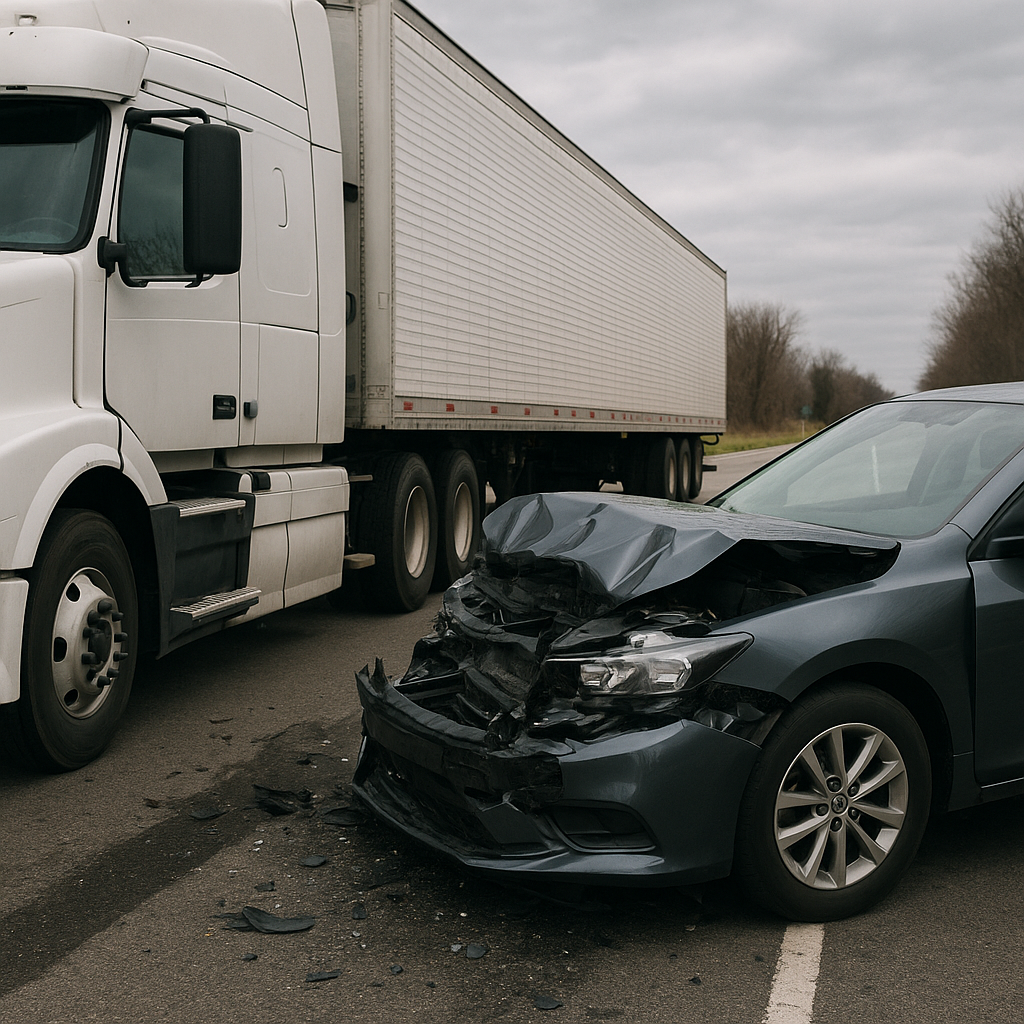
Why First 24 Hours Matter in a Truck Accident
When it comes to collisions involving large vehicles, the immediate aftermath is critical. Understanding why the first 24 hours matter in a truck accident is essential for anyone involved. These crucial moments can significantly affect the outcome of legal, physical, and financial considerations.
Immediate Medical Attention
The initial step following a truck accident is to address any physical injuries. Even if injuries seem minor, seeking medical care within the first 24 hours is imperative. Symptoms of internal injuries or concussions may not be immediately apparent. Early medical evaluation ensures that any latent injuries are identified and documented, which is crucial for treatment and potential legal claims.
Preserving Critical Evidence
One key reason why the first 24 hours matter in a truck accident is the preservation of evidence. Physical evidence, such as skid marks, vehicle positions, and debris, can quickly become compromised by traffic or weather conditions. Prompt documentation through photographs and witness statements provides invaluable information for determining liability.
Engaging Legal Support
It’s advisable to consult with a legal expert as soon as possible. Attorneys specializing in truck accidents understand the nuances involved and can guide you through the intricate process of claims and litigation. They can help secure evidence, gather records, and manage communications with insurance companies, ensuring that your rights are protected.
Notifying Insurance Companies
The first day after an accident is also the time to notify insurance companies. Immediate reporting facilitates the claims process and avoids potential disputes about the timing and credibility of the claim. Insurers often need prompt notification to proceed efficiently, so it’s crucial to adhere to this timeframe.
Trucking Company’s Involvement
The trucking company and its insurer will likely mobilize quickly after an accident. They might dispatch investigators to the scene to gather evidence that could mitigate their liability. Understanding this underscores why the first 24 hours matter. Acting swiftly by securing your own representation helps counterbalance the resources that trucking companies may deploy.
Gathering Witnesses and Surveillance
Securing witness testimonies as quickly as possible is another critical task. Memories can fade, and witnesses may become harder to locate over time. Additionally, surveillance footage from nearby businesses or traffic cameras might be routinely overwritten. Gathering this evidence is simpler and more effective within the first day of the incident.
Documenting Your Experience
It can also be beneficial to document your personal experience shortly after the accident. Writing down your account of the events, detailing any injuries, and noting how the incident impacts your daily life can be a valuable reference in the future. This personal documentation can support your claims and provide clarity during what might be a chaotic and overwhelming process.
Emotional and Psychological Impact
Emotional trauma is an often-overlooked aspect of truck accidents. The initial shock can mask symptoms of anxiety or post-traumatic stress, which might develop later. Addressing these emotional responses early, by seeking consultations with mental health professionals, is vital for long-term recovery and well-being.
Protecting Future Claims
Understanding why the first 24 hours matter in a truck accident includes recognizing their relevance to future claims. Any delays in taking action might hinder the ability to seek full compensation for injuries or damages. Timely action protects your interests and ensures a fair process.
Conclusion
The decisions and actions taken immediately following a truck accident can have lasting implications. This underscores the importance of knowing why the first 24 hours matter. From medical attention and legal guidance to preserving evidence and addressing emotional health, these hours are critical. Being informed and prepared can make all the difference in achieving a favorable outcome in the wake of a truck accident.